
What to Feed Horses in Utah: The Importance of Alfalfa
- McKenna Hines
- Jun 20, 2025
- 8 min read

In Utah’s unique climate and terrain, providing horses with the right nutrition is essential to their health and performance. While there are various feed options available, alfalfa stands out as a necessary staple due to its nutrient density, availability, and compatibility with the local environment.
This comprehensive guide explains what to feed horses in Utah and explores why alfalfa plays a crucial role in equine diets across the state.
Alfalfa as a Nutritional Powerhouse
Alfalfa is one of the richest forages available to horse owners, particularly valued for its high protein, calcium, and energy content. These nutrients are vital for muscle development, milk production, and maintaining optimal condition in performance horses.
Regarding what to feed horses in Utah, where natural pasture is often sparse or seasonal, alfalfa compensates for many nutritional shortfalls. Its dense nutritional profile ensures horses meet their daily requirements even when other forage options are lacking.
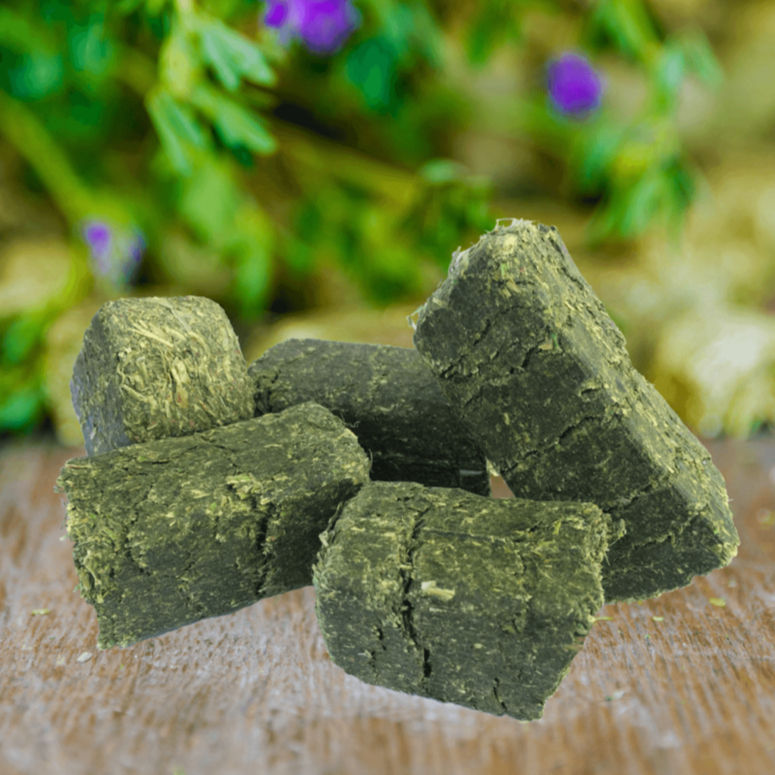
Horses that require more calories—such as those in work, pregnant mares, or young growing horses—benefit immensely from alfalfa’s nutrient concentration. It supports growth, recovery, and energy reserves more efficiently than most grass hays.
Moreover, alfalfa’s natural palatability encourages horses to eat more. This is especially helpful for picky eaters, hard keepers, or horses recovering from illness who need to regain weight and strength.
The Chronicle of the Horse says, “Alfalfa is especially helpful for a hard keeper because of its high palatability—horses love to eat it. Feeding alfalfa is an excellent alternative to feeding excessive concentrates to get more calories into a horse’s diet.”
Alfalfa also plays a role in buffering stomach acid, making it a useful preventive against gastric ulcers—a common issue for what to feed horses that are stabled or stressed.
Utah’s Climate and Alfalfa Compatibility - What to Feed Horses?
Utah’s semi-arid environment and alkaline soil provide ideal growing conditions for alfalfa, making it a locally abundant and affordable feed option for what to feed horses. The hay produced in the region is typically high-quality and low in contaminants.
This local production supports freshness and reduces reliance on imported hay, which may be less consistent or more expensive. It also minimizes transport costs and environmental impact.
Alfalfa thrives with minimal irrigation compared to grass hay, an important consideration in a drought-prone state like Utah. Its deep roots make it more sustainable in dry conditions.
By feeding locally grown alfalfa, Utah horse owners support regional agriculture and contribute to a more stable feed supply chain when choosing what to feed horses. This keeps costs down while ensuring access to reliable nutrition.
Since many Utah horses live on dry lots rather than lush pastures, alfalfa serves as a crucial substitute that mimics the high-nutrient value horses might find in greener areas.
Why Alfalfa Is Essential for Active and Working Horses
Performance horses, whether in ranch work, rodeo, or competitive sports, have elevated energy and protein needs. What to feed horses that are active and working? Alfalfa delivers the nutrients necessary to maintain muscle mass, endurance, and recovery.

Its digestible energy levels support sustained exertion, allowing horses to perform at their best without needing large grain-based rations that could cause metabolic issues.
The high lysine content in alfalfa is critical for tissue repair and muscle development. This is particularly important for young horses in training or adults in heavy work.
Alfalfa’s calcium content helps maintain strong bones and prevent injuries in horses subjected to high-impact or high-frequency work. Combined with phosphorus and magnesium, it supports skeletal integrity.
Feeding alfalfa in combination with a vitamin-mineral supplement often eliminates the need for other protein sources, simplifying feeding regimens while ensuring balanced nutrition.
What to Feed Horses that are Pregnant and Lactating Mares
Mares in late pregnancy and lactation require significantly more nutrients than idle horses, especially protein and calcium. Alfalfa is ideally suited to meet these heightened needs.
Its high calcium content supports fetal bone development and helps the mare produce nutrient-rich milk after foaling. The protein supports overall fetal growth and postpartum recovery.
Feeding alfalfa to broodmares ensures that both the mare and foal are receiving adequate nutrition during critical developmental phases. It helps prevent common deficiencies seen with lower-quality forages.
Alfalfa also supports increased caloric needs without excessive volume, which is important for mares in the later stages of gestation when their digestive capacity is limited.
Mad Barn says, “Alfalfa is nutrient-dense and is an excellent source of energy, protein and minerals in the equine diet. It is also typically low in non-structural carbohydrate content. This makes it a valuable roughage to include in the diets of pregnant and lactating mares, mature performance horses, or other horses requiring protein supplementation.”
What to feed horses that are pregnant or lactating? Including alfalfa in the mare’s diet can improve birth outcomes and promote faster recovery, better milk production, and healthier foals.
Benefits of Alfalfa for Growing Foals
What to feed horses that are young, young horses require high levels of protein and minerals to support proper skeletal growth and muscle development. Alfalfa offers an ideal foundation for feeding foals.
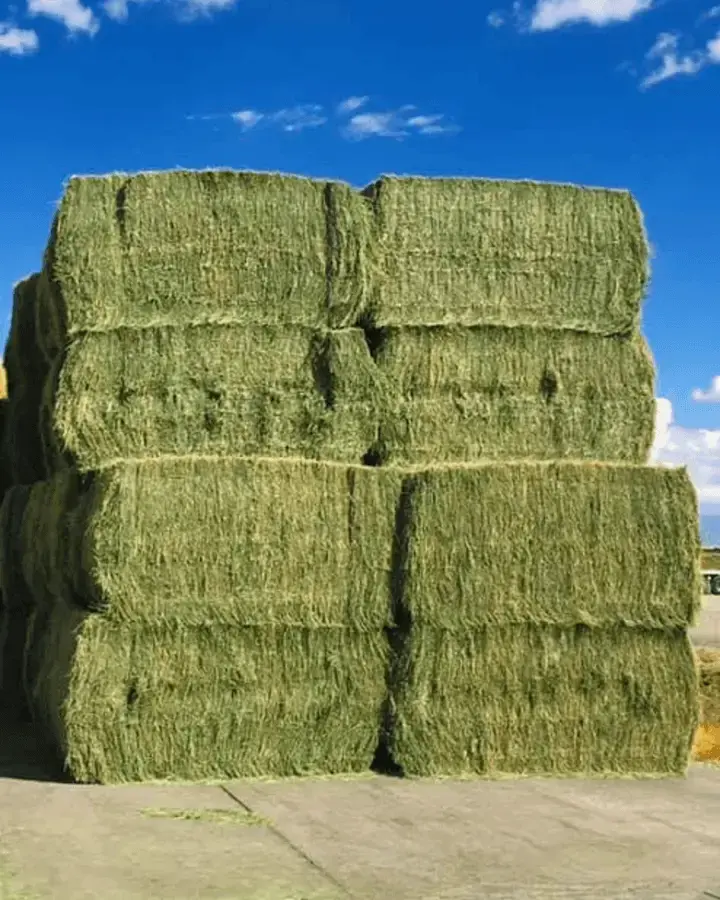
The amino acids in alfalfa—particularly lysine—are essential for developing strong muscles and tissues. Deficiencies can lead to growth problems, poor condition, and weak immune function.
Its digestibility is another advantage. Alfalfa breaks down efficiently in the equine digestive system, allowing young horses to absorb and utilize nutrients effectively during critical growth periods.
Because of its dense nutrient content, foals don’t need to consume as much volume to meet their needs. This reduces digestive strain and helps prevent impaction, especially in dry climates like Utah’s.
Paired with a balanced concentrate formulated for young horses, alfalfa ensures complete support for development, setting the foundation for long-term health and soundness.
What to Feed Horses - Alfalfa for Seniors
Older horses often suffer from weight loss, dental issues, and diminished digestion. Alfalfa hay, cubes, or pellets provide a softer, more digestible feed option with high caloric content.
Alfalfa’s nutrient density helps aging horses maintain body condition, especially during winter or illness. It is particularly valuable when chewing becomes difficult or forage intake decreases.
Its high calcium content supports aging joints and bones, while the extra protein preserves muscle mass that often declines in older animals.
Soaked alfalfa cubes or pellets can act as a hay substitute and are easier to chew and digest. This can dramatically improve feed efficiency regarding what to feed horses with dental problems.
By offering high-quality nutrition in a palatable, manageable form, alfalfa can extend the health and productivity of senior horses well into their later years.
Mixing Alfalfa with Grass Hay
While alfalfa is highly beneficial, feeding it alone can sometimes result in excess protein or calcium for idle or easy-keeping horses. A balanced feeding program often includes a mix of alfalfa and grass hay.

This blend offers the best of both worlds—alfalfa’s nutrients and grass hay’s fiber—for a well-rounded diet. It also supports gut health by encouraging proper fermentation and motility.
Mixing hay helps avoid feeding imbalances and can prevent conditions such as enteroliths, which are more common when feeding straight alfalfa in dry climates.
What to feed horses prone to laminitis or metabolic issues, incorporating low-NSC grass hay with a smaller portion of alfalfa is a safer approach while still delivering essential nutrients.
A 50/50 blend or even a 70/30 ratio in favor of grass hay can work well depending on the horse’s needs, with flexibility to adjust based on body condition and workload.
Alfalfa and Hydration Support - What to Feed Horses?
Alfalfa’s higher protein content encourages horses to drink more water, which is crucial in Utah’s arid environment. Proper hydration supports kidney function and digestive efficiency.
The increased water intake associated with alfalfa can help prevent impaction colic, especially during dry spells or winter months when water consumption tends to drop.
Soaked alfalfa cubes or pellets offer an additional hydration boost. This is especially useful for what to feed horses recovering from illness or struggling with dehydration during heat waves.
For horses in performance or heavy training, alfalfa can enhance water retention and electrolyte balance, aiding in recovery and thermoregulation.
Overall, integrating alfalfa into the diet supports not only nutrition but also one of the most vital, yet often overlooked, aspects of equine health: hydration.
Debunking Common Alfalfa Myths
Some horse owners hesitate with what to feed horses, they hesitate with feeding alfalfa due to persistent myths about its safety. However, research and practical experience confirm that when fed correctly, alfalfa is extremely beneficial.

One common myth is that alfalfa causes “hot” behavior in horses. In reality, it’s more often overfeeding total calories that leads to excess energy, not alfalfa specifically.
Others worry about calcium overload. While alfalfa is high in calcium, it’s difficult to reach toxic levels unless paired with other high-calcium feeds or given in massive quantities.
Some fear urinary problems from high protein. While excessive protein may increase urination, it doesn’t harm healthy horses when adequate water is provided.
Alfalfa does require balanced supplementation, particularly for phosphorus and trace minerals. But when incorporated into a managed diet, it’s one of the safest and most effective feeds available.
Understanding the science behind these myths empowers horse owners to make informed feeding decisions based on facts, not fear.
Alfalfa and Economic Value in Utah
In Utah, where hay costs can fluctuate with the climate, alfalfa often represents one of the best values per nutritional unit. Its high calorie and protein density mean you can feed less volume to meet needs.
Buying local alfalfa also supports the economy and reduces shipping costs. This ensures fresher feed and a smaller carbon footprint compared to imported alternatives.
While alfalfa may appear more expensive per bale, its nutrient value means fewer supplements and less grain are needed—lowering total feeding costs as an option of what to feed horses.
Utah’s strong alfalfa-growing regions offer multiple cuttings throughout the year, giving buyers access to early, mid, and late-season hay with varying nutrient profiles.
For budget-conscious owners, alfalfa is often the most cost-effective way to maintain optimal nutrition and avoid the expenses of treating diet-related health issues.
Adjusting Alfalfa Intake Seasonally - What to Feed Horses?
Feeding alfalfa effectively in Utah means adjusting quantities according to the seasons. As workloads, temperatures, and forage availability shift, so should your feeding plan.

In winter, alfalfa helps horses maintain body heat and energy. Its calorie density makes it ideal when horses burn more energy staying warm.
During summer, when appetite may decline in the heat, smaller amounts of nutrient-rich alfalfa ensure horses still meet their needs without large bulky meals.
In spring and fall, transitional weather can impact hydration and metabolism. Alfalfa provides consistency in nutrient intake during these unpredictable periods.
Monitoring body condition is key year-round. Adjust alfalfa levels based on the horse’s energy output, pasture access, and overall condition.
Seasonal feeding isn’t just about volume—it’s about meeting changing needs with a flexible, reliable base of quality forage like alfalfa.
Building a Balanced Feeding Program Around Alfalfa
While alfalfa is incredibly valuable, it should still be part of a balanced feeding program tailored to each horse’s needs. This includes vitamin and mineral supplementation, especially selenium and phosphorus.
Forage testing helps identify nutritional gaps in your hay. Use this information to choose appropriate supplements or commercial feeds that complement alfalfa’s profile.
Always introduce new feeds gradually, and monitor horses for changes in behavior, energy, or digestion. The goal is to support long-term health, not just short-term condition.
Don’t overlook the basics: fresh water, free-choice salt, regular dental care, and parasite control all influence how well a horse uses the feed you provide.
In Utah, alfalfa isn’t just a feed—it’s a foundational component of equine health. When used wisely, it supports strong bones, vibrant energy, glossy coats, and a long, healthy life.
Choose RR Ranch for Premium Alfalfa in Utah
Now you have a good understanding of what to feed horses. Feeding horses in Utah isn’t just about meeting nutritional needs—it’s about choosing the right forage that supports their health, performance, and longevity.
As this guide has shown, alfalfa is not only necessary but foundational to equine wellness in our unique climate. Its high-quality protein, rich calcium content, and superior digestibility make it an ideal feed for every stage of a horse’s life.
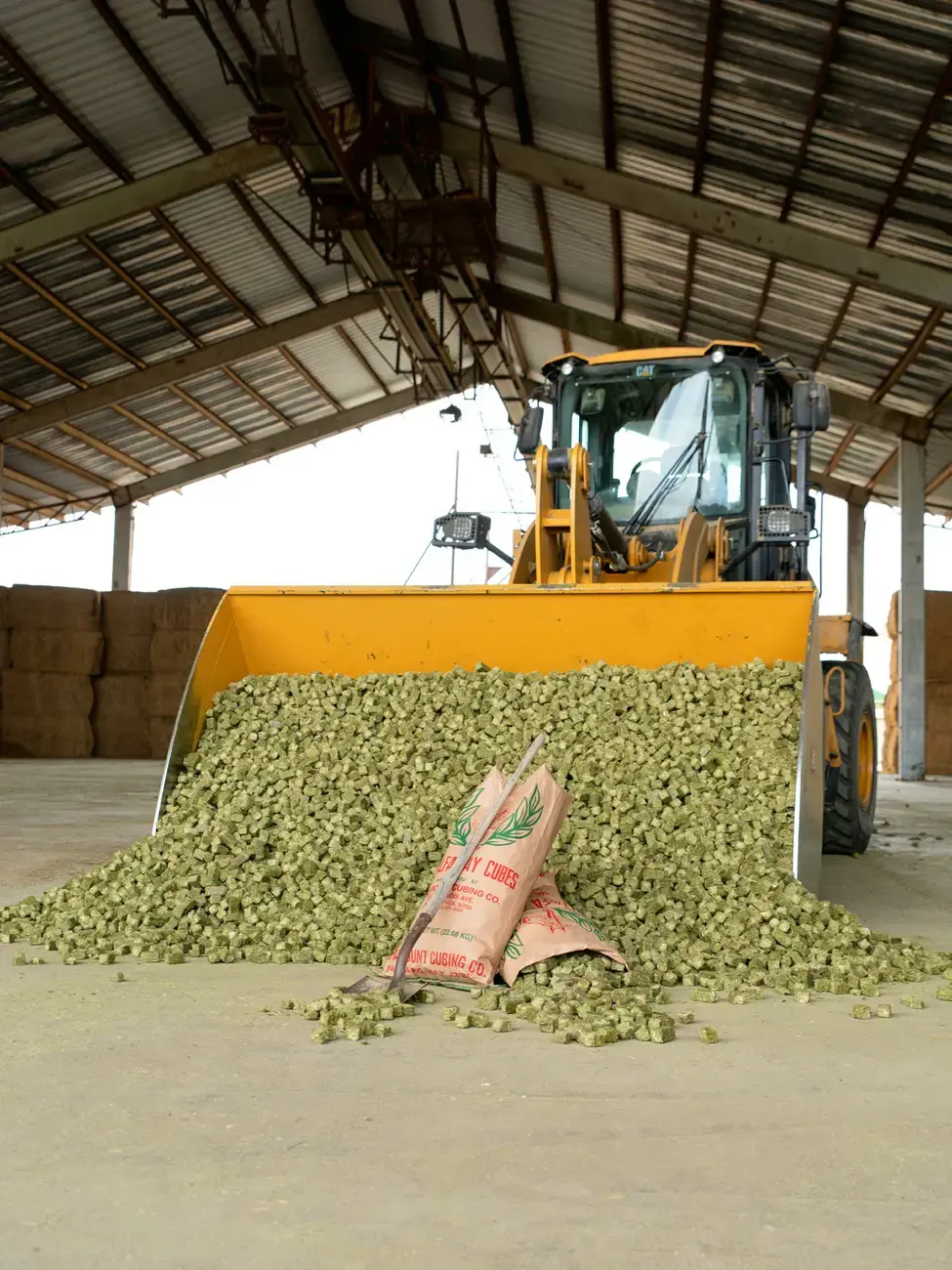
But not all alfalfa is created equal. That’s why horse owners across Utah trust RR Ranch to provide consistently clean, nutrient-dense alfalfa products that deliver results.
Grown with care and harvested at peak quality, RR Ranch alfalfa is perfect for performance horses, broodmares, foals, and seniors alike.
Whether you’re looking for small bales, cubes, or large quantities for your stable, RR Ranch has the premium forage you can count on.
By choosing RR Ranch, you’re not only getting exceptional feed—you’re supporting a family-run operation that understands horses and takes pride in doing things the right way. Our commitment to soil health, sustainable farming, and local partnerships means you’re getting a product you can feel good about, every time.
Ready to elevate your horse’s nutrition? Visit our website today to explore RR Ranch’s alfalfa offerings and place your order. Your horses will thank you—with better energy, stronger hooves, shinier coats, and happier rides.


Comments