
What Is Alfalfa and Can It Replace Hay in Your Horse’s Diet?

Botanical Background of Alfalfa
For horse owners wondering what is alfalfa, it’s essentially a high-protein forage plant rather than a grass.
Alfalfa (Medicago sativa), also called lucerne, is a perennial legume grown worldwide as a hay crop. It originated around the Mediterranean and southwestern Asia and has been cultivated for thousands of years.
Alfalfa plants have deep root systems, making them drought-tolerant and able to thrive in well-drained soils. This legume hay is often termed the “Queen of Forages” due to its rich nutrient profile and high yields.
In summary, understanding what is alfalfa – a nutrient-dense legume hay – sets the stage for evaluating if it can replace or supplement traditional grass hay in your horse’s diet.
Nutritional Profile of Alfalfa
Examining what is alfalfa nutritionally reveals why it’s valued in horse diets. Alfalfa hay is significantly richer in protein and minerals than typical grass hay.

On average, alfalfa contains around 18–21% crude protein, roughly double that of many grass hays (often ~8–12%).
It also provides more digestible energy; in fact, high-quality alfalfa hay supplies about 20–25% more calories per pound than grass hay.
Alfalfa is notably high in calcium (about 3 times more than grass hay) and other vitamins and minerals. Conversely, it tends to have lower non-structural carbohydrates (sugars/starch) and less indigestible fiber.
This means alfalfa is a nutrient-dense feed – a smaller volume provides the horse with concentrated protein and energy. However, because alfalfa has less fiber bulk, horses might not feel as full on it alone, which is important when considering portion sizes.
Alfalfa vs. Grass Hay: Key Differences
When comparing what is alfalfa to grass hay, several differences emerge in content and how horses respond.
Protein & Energy: Alfalfa’s higher protein and calorie content make it a richer feed; grass hays are lower in protein/energy but higher in fiber, which helps satisfy a horse’s need to chew and feel full.
For example, a horse might meet its nutrient requirements with much less alfalfa than grass hay. If one feeds enough alfalfa to fill the horse’s gut like grass hay, it often overshoots energy needs, potentially making the horse over-energetic or “hot.”
Sugar & Starch: It’s a myth that alfalfa is high in sugars – in reality, grass hays generally contain equal or higher levels of digestible carbohydrates than alfalfa. This means an obese or laminitis-prone horse might actually be safer on alfalfa than on rich grass hay, which is counterintuitive to some owners.
Fiber: Grass hay’s higher fiber makes it great for keeping a horse occupied and maintaining gut motility, whereas alfalfa’s fiber is more digestible but less filling. In short, alfalfa is nutrient-packed and lower in sugars, while grass hay is bulkier and more fibrous.
The right choice or mix depends on your horse’s nutritional needs and tendency to gain weight.
Pros of Feeding Alfalfa
What is alfalfa good for? This legume offers many benefits in an equine diet. Here are some key pros of alfalfa for horses:
Palatability: Horses usually love the taste of alfalfa. Given a choice, many will eat alfalfa hay before touching grass hay. This makes it useful for picky eaters.
High Nutrient Density: Alfalfa is packed with quality protein and calories. For horses needing extra condition, it provides more energy per pound (about 20%+ more) than grass hay. It’s also rich in calcium and vitamins, supporting pregnant or lactating mares and fast-growing foals.
Supports Hard-Working Horses: With its high digestible energy, alfalfa can help fuel performance horses. It’s an excellent source of nutrients for horses in heavy work that require additional calories and protein.
Ulcer Buffering: A lesser-known benefit is alfalfa’s ability to help buffer stomach acid. Its protein and calcium content can raise stomach pH, which may reduce ulcer risk in horses prone to gastric ulcers. Many owners feed a bit of alfalfa before riding to protect the stomach.
Availability (U.S.): Alfalfa hay is widely grown and often readily available across the U.S., frequently at a reasonable price It’s sold in bales, cubes, and pellets, giving owners flexible ways to feed it.
These advantages make alfalfa a valuable forage for the right horses. The question isn’t what is alfalfa good for, but rather which horses benefit most from its rich nutrition (covered next).
Cons and Health Risks of Alfalfa
Despite its benefits, it’s important to recognize what is alfalfa’s downside. There are several potential cons and risks to feeding alfalfa, especially if overfed:
Too Rich for Easy Keepers: Insulin-resistant or easy-going horses prone to laminitis may be sensitive to alfalfa’s nutrient density. Some metabolic horses can experience hoof soreness or flare-ups when on high-alfalfa diets, so caution is warranted with “easy keeper” types.
Excess Protein & Ammonia: Alfalfa’s high protein means any excess is broken down and excreted as urea, which turns to ammonia. Horses on full alfalfa often drink more and urinate more, leading to wetter, smellier stalls. The strong ammonia smell can be unpleasant and may affect barn air quality.
Mineral Imbalance: Alfalfa contains a lot of calcium but relatively less phosphorus. Feeding it as the sole forage can skew the calcium-to-phosphorus ratio in the diet.
Most adult horses tolerate this, but it’s not ideal for growing horses unless the diet is balanced. High calcium without enough phosphorus (or other minerals) could contribute to developmental issues if not corrected.
Weight Gain & “Hot” Behavior: Because it’s so palatable, a horse with free-choice alfalfa may overeat and gain weight rapidly. Many owners also report their horses become “hot” or over-energetic on straight alfalfa – not due to the protein itself, but from too many calories.
Overfeeding alfalfa can make a horse exuberant or anxious in some cases.
Digestive Upset Risks: Sudden or heavy alfalfa feeding might lead to loose manure or mild colic in horses not used to rich forage. Alfalfa pasture, in particular, can cause gas or bloat if a horse gorges on it (especially during spring or fall growth spurts). Gradual introduction is key to avoid digestive upset.
Enteroliths (Intestinal Stones): Diets very high in alfalfa (especially with little to no grain) have been linked to the formation of enteroliths – mineral stones in the intestines.
These stones can cause colic and often require surgical removal. While not all alfalfa-fed horses develop enteroliths, the risk seems higher in regions like California where straight alfalfa is common. Ensuring alfalfa is not the overwhelming majority of the diet can help mitigate this risk.
In summary, alfalfa is not “poison” for horses, but its rich nature means we must feed it appropriately. By understanding these cons, you can decide how to safely include alfalfa without harming your horse’s health.
Best Types of Horses for Alfalfa
Mares and foals grazing on an alfalfa pasture. Broodmares with nursing foals often thrive on alfalfa’s extra protein and calcium.

So, what is alfalfa best suited for? Generally, horses with higher nutritional demands benefit most from this rich forage. Key examples include:
Pregnant or Lactating Mares: Late-gestation and nursing mares have elevated needs for protein, calcium, and calories. Alfalfa’s nutrient density helps meet milk production demands and supports the mare’s body condition. The extra calcium in alfalfa is especially useful during lactation to replenish what’s drawn into milk.
Young Growing Horses: Foals, weanlings, and yearlings require quality protein and minerals for proper growth. Alfalfa hay can supply essential amino acids and calcium for bone development, making it ideal for youngsters (when balanced with other feeds). Breeders often include some alfalfa for weanlings and broodmares to support growth.
Performance and Working Horses: Horses in moderate to heavy work burn more energy and often need more protein for muscle repair. Alfalfa provides readily digestible energy and protein to help hard-working horses maintain weight and muscle mass. It’s commonly fed to racehorses, eventers, and other performance horses as part of a balanced diet.
Hard Keepers or Underweight Horses: If a horse struggles to keep weight on with grass hay alone, adding alfalfa can help. It’s an excellent tool for “hard keepers” because it packs more calories into each pound. Senior horses or those with poor teeth also appreciate soaked alfalfa pellets or cubes as an easy-to-eat calorie source.
Ulcer-Prone Horses: As mentioned, alfalfa’s buffering effect on stomach acid means it’s often recommended for horses with a history of ulcers. Feeding a flake of alfalfa before exercise or as part of the ration can help protect the stomach lining.
Conversely, horses that are easy keepers, idle, or metabolic (EMS) may not need much alfalfa, if any. For an overweight pony or a horse with insulin resistance, the rich nutrients in alfalfa could be excessive, so these horses do better on primarily grass hay diets.
Always consider your individual horse’s condition. The bottom line: what is alfalfa’s ideal use? Fuel for horses who truly need the extra boost, rather than those who maintain weight on air.
Feeding Recommendations for Alfalfa
If you plan to feed alfalfa, doing it right will maximize benefits and minimize issues. Here are practical feeding recommendations:
Use Alfalfa as a Portion of the Forage: For most average horses, experts advise making alfalfa no more than ~50% of the total forage intake. In other words,
consider feeding half alfalfa and half grass hay. This balances the diet’s fiber and nutrient content.
An all-alfalfa diet can be too rich and provides less fiber bulk than grass hay, so mixing the two often works best. Easy keepers might get only a small percentage of alfalfa (or just as a supplement), whereas a hard keeper or lactating mare might handle a higher proportion.
Measure by Weight: Always weigh your hay. Alfalfa bales can be packed tighter and flakes may weigh more than grass hay flakes. Horses generally eat 1.5–2% of their body weight in forage daily, so allocate the appropriate pounds of alfalfa within that total. For example, a 1,000 lb horse might eat 20 lbs of hay per day – you could feed ~5–10 lbs of alfalfa and the rest grass hay, depending on needs.
Introduce Gradually: If your horse isn’t used to alfalfa, introduce it slowly over 1–2 weeks. Sudden changes can upset gut flora. A good rule is to replace no more than about 0.5–1.0 lb of the current hay with alfalfa per day when transitioning. Observe manure consistency and appetite during the switch. Gradual introduction allows the hindgut bacteria to adjust to alfalfa’s richer composition.
Split into Multiple Meals: Like any forage, it’s best to feed alfalfa in small, frequent meals rather than one large feeding. For instance, if feeding two flakes a day, give one in the morning and one in the evening. This mimics natural grazing and helps reduce any surge in ammonia or digestive load at one time.
Ensure Ample Water: Alfalfa’s protein will make horses drink more, so always have plenty of fresh water available. This is especially vital if you’re feeding a lot of alfalfa, as increased urine output can risk dehydration if water is limited. In winter, keep water unfrozen; in summer, keep it clean and cool, as alfalfa-fed horses will gulp appreciable amounts year-round.
Balance the Diet: If alfalfa makes up a large part of your horse’s ration, you may need to adjust other nutrients. For example, adding a source of phosphorus (through a commercial concentrate or supplement) can balance the high calcium in alfalfa.
A ration balancer or mineral supplement is often used alongside predominantly alfalfa diets to provide missing nutrients. (As Horse&Rider’s expert notes, if alfalfa is your sole hay, get professional advice on balancing the diet.)
Also, if feeding little to no grass hay, providing extra long-stem fiber (like a slow-feed net or some straw) can keep the gut happy.
By following these guidelines, you can harness alfalfa’s benefits safely. Remember, moderation is key – feeding some alfalfa is usually better than all or nothing. And always adjust amounts based on your horse’s body condition and behavior (see Section 14 on monitoring).
Common Misconceptions About Alfalfa
There are many myths surrounding alfalfa in horse diets. Let’s address a few frequent misconceptions about what is alfalfa and its effects:
Myth 1: “Alfalfa’s high protein will harm my horse’s kidneys.” In reality, healthy horses can tolerate alfalfa’s protein without kidney damage.
Fact: Excess protein is simply broken down and excreted as urine; it doesn’t “burn out” the kidneys. The only side effect is more urine production (and thus more drinking), which isn’t harmful – it just means you’ll be mucking wetter stalls!
Myth 2: “Alfalfa makes horses too ‘hot’ or hyper.” Many owners have heard that feeding alfalfa will cause fizzy, unmanageable behavior. Fact: Some horses do show increased energy on rich feed, but it’s not the protein itself making them “hot.”
Often the horse was over-supplied with calories. When fed appropriately, alfalfa doesn’t inherently create a crazy horse. If a horse does become excitable, consider that you might be feeding more energy than it needs, rather than blaming alfalfa alone.
Myth 3: “Alfalfa is too high in sugar for laminitic horses.” Many people assume alfalfa’s richness comes from sugars, equating it to a “sweet” feed. Fact: Alfalfa actually tends to have lower starch and sugar than many grass hays.
Counterintuitive as it sounds, an insulin-resistant horse may do better on alfalfa (because of lower non-structural carbs) than on certain grass hays that are high in sugars. Of course, every metabolic horse is different – some may have sensitivities – but it’s incorrect to label alfalfa as a high-sugar feed across the board.
Myth 4: “You can’t feed any alfalfa to an idle or mini horse.” While it’s true that an easy-keeping horse or pony doesn’t need free-choice alfalfa, small controlled amounts can be used even for these animals if needed (for instance, to carry a supplement or as a treat).
The key is portion control. A leaf or two of alfalfa in a hay net for a mini horse won’t automatically cause obesity – problems arise with overfeeding, not the mere presence of alfalfa. Always adjust the quantity to the horse’s size and needs.
By dispelling these misconceptions, horse owners can make more informed decisions. Alfalfa isn’t a magical super-feed nor a dangerous drug – it’s simply a nutritious hay that must be used appropriately. Understanding what is alfalfa (and what it isn’t) helps cut through the hype and fear.
Combining Alfalfa with Other Feeds
Alfalfa can play well with others in the feed program. In fact, combining alfalfa with other forages or feeds is often the best approach.
Many owners use a mixed hay strategy – for example, feeding part alfalfa and part grass hay. This can give the best of both worlds: the alfalfa provides protein and vitamins while the grass hay adds bulk fiber to keep the horse satisfied.
Some farms even bale mixed alfalfa/grass hay for convenience. If you can find a good alfalfa-grass mix, it often balances energy and fiber nicely.
Alfalfa also complements concentrate feeds. Because it’s nutrient-dense, adding alfalfa may allow you to reduce grain in the diet. For instance, an underweight horse might gain weight by replacing a portion of its grain ration with alfalfa pellets – getting calories from fiber rather than high starch grain.
This can be healthier for digestion and metabolic stability. One study noted that feeding an alfalfa-based meal in place of grain even reduced stable vices like cribbing in some horses, likely by satisfying the horse’s need to chew and giving more consistent fiber intake.
Here are a few practical ways to combine alfalfa with other feeds:
Mix with Grass Hay: As noted, try feeding some of each. You might give a flake of alfalfa in the morning and grass hay for the rest of the day. Or layer the two in your hay net. Mixed feeding moderates the overall protein and calorie intake while still offering alfalfa’s benefits.
Top-Dress or Mix with Beet Pulp: Soaked beet pulp or other fiber feeds (like chopped hay) can be mixed with alfalfa pellets or cubes to create a mash. This is great for senior horses – the beet pulp adds extra fiber and water, and the alfalfa brings protein and taste.
Small Alfalfa Addition for Gut Health: In some cases, adding even a little alfalfa to an all-grass diet has advantages. For example, fine-stemmed Southern grass hays (like Bermuda) are known to occasionally cause impaction colic. Adding just a quarter to half a flake of alfalfa hay daily can help prevent these impactions by increasing the diet’s overall protein and calcium, improving gut motility. Many Florida horse owners do exactly this – a bit of alfalfa as a “insurance policy” against coastal hay colic.
Use as a Carrier for Supplements: If your horse needs powders or medications, a handful of damp alfalfa pellets can be an excellent carrier. Horses usually gobble them up, ensuring no supplement is left behind. This works better than using sweet feed for insulin-resistant horses.
Alternate Feeding Times: Another method is to feed grass hay free-choice, but offer a separate feeding of alfalfa at specific times (like after a workout or at night check). This way, the horse primarily fills up on grass hay but still gets alfalfa’s nutrient boost in a controlled manner.
By thoughtfully combining feeds, you leverage alfalfa’s strengths without overdoing it. Every horse is different, so feel free to experiment with proportions – perhaps with guidance from an equine nutritionist – until you find the ideal balance that keeps your horse healthy and happy.
Storage and Quality Tips for Alfalfa Hay
Proper storage and handling of alfalfa are important to preserve its quality (and your investment). Alfalfa can be a bit more delicate to handle than grass hay due to its leafy nature. Here are some tips to ensure you’re feeding safe, high-quality alfalfa:
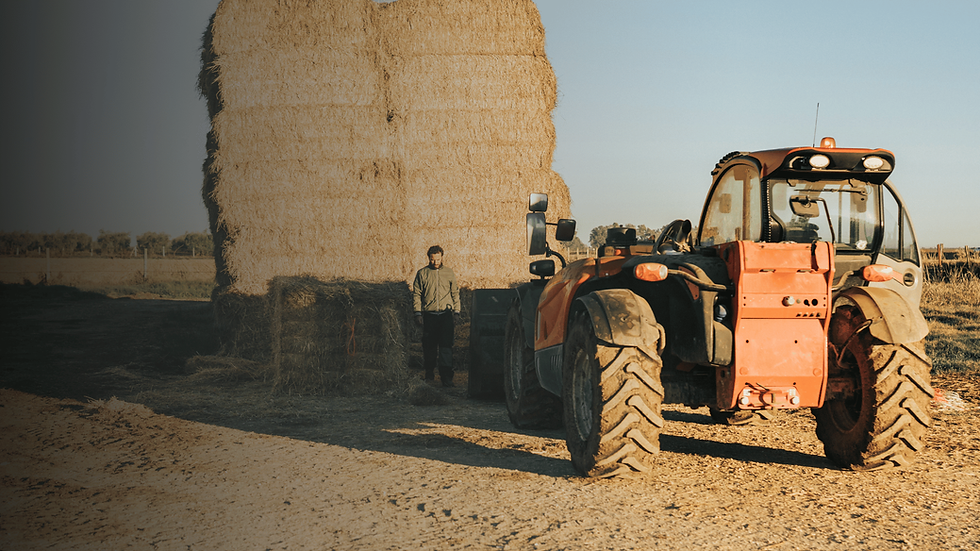
Store Hay in a Dry, Covered Area: Like any hay, alfalfa bales need to be kept off the ground, in a well-ventilated shelter, protected from rain and damp. Alfalfa is prone to mold if it gets wet due to its dense, leafy composition.
Make sure your storage area has a roof and use pallets or a tarp under the stacks to prevent ground moisture from seeping up. Moldy alfalfa hay is dangerous to feed (it can cause colic or respiratory issues), so when in doubt, throw it out.
Handle Bales Gently: Alfalfa hay contains many small leaves – and those leaves hold the majority of the nutrients. If bales are overly dry or tossed around roughly, the leaves can shatter into “fines” and fall off. To avoid losing this nutrition, handle bales with care.
When you cut the strings, do it in the feed room or on a tarp so you can collect any fallen leaves. One expert tip: place a big empty feed bag or tarp under the bale as you break it open, then feed the fallen leaf bits to your horse instead of sweeping them away. This way, nothing goes to waste.
Check for Blister Beetles: In certain regions of the U.S. (particularly the Southwest/Central states), alfalfa can be infested with blister beetles – insects highly toxic to horses.
Consuming even a small number of crushed beetles in hay can be fatal. The risk is higher in second or later cuttings harvested mid-summer when beetles swarm. To be safe, know your hay’s origin.
If it’s from beetle-prone areas, inspect flakes as you feed. Blister beetles are ~1 inch long, narrow, and often black or striped. If you find any, stop feeding that hay immediately. Some suppliers offer “beetle-free” certified alfalfa – worth the peace of mind if you live in a risky area.
Assess Hay Quality on Purchase: Good alfalfa hay will be leafy, green, and pleasantly fragrant. Avoid bales that are sun-bleached yellow or brown (indicates weathering or age) or that smell musty (possible mold).
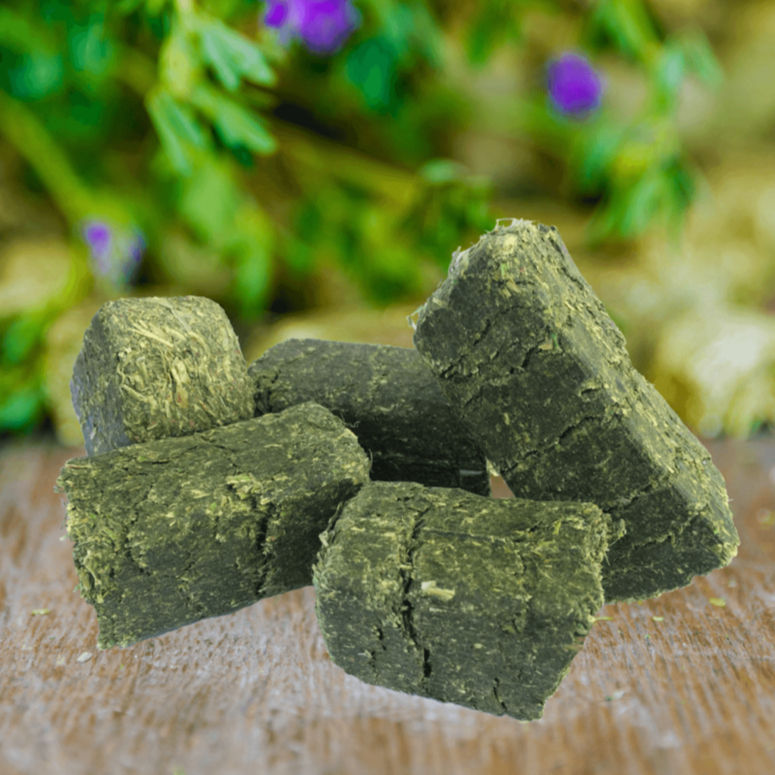
A few grass stems or weeds in first-cut alfalfa aren’t a big issue, but bales that are very coarse with thick stems were cut over-mature and will be lower in nutrition. If buying alfalfa cubes or pellets, look for a rich green color in those as well.
Cubes/pellets that are brown or have a burnt smell may have been heat-damaged during processing – such feed has lower nutritional value. High-quality alfalfa products should have that fresh green hue and herbal smell.
Rotate Stock and Watch Duration: Alfalfa hay does lose some vitamins over time in storage. Try to use up your hay within one year of baling for maximum nutrient value.
When new hay comes in, feed out the older hay first (“first in, first out” principle) to keep your inventory fresh. During storage, periodically check bales for any signs of mold or pests (like mice nesting).
By following these practices, you’ll maintain the quality of your alfalfa and keep your horse safe. Great nutrition starts with great forage, so a little extra care in storage and handling goes a long way.
Cost and Supply of Alfalfa in the U.S.
For U.S. horse owners, alfalfa hay is generally widely available in most regions. In fact, alfalfa is a major crop in many states (like California, Arizona, the Midwest), so it’s often easy to find and reasonably priced relative to its quality.
Many feed stores and hay dealers carry alfalfa, whether in bales or bagged as pellets and cubes. Here are some cost and supply considerations:
Price Comparisons: Alfalfa hay can sometimes cost a bit more per bale than local grass hay, but not always. In western states where alfalfa is abundant, it may actually be cheaper than imported grass hays.
For example, in California’s Central Valley or Idaho, premium alfalfa might be $250/ton whereas a high-quality timothy could cost more due to shipping. In contrast, in the Southeast (where alfalfa isn’t widely grown), a bale of alfalfa often commands a higher price than the common coastal Bermuda grass bales.
Always compare the nutritive value for the price: alfalfa’s extra energy and protein mean you might feed less of it than grass hay, potentially offsetting the cost difference.
Quality Grades and Cost: Alfalfa is often graded (e.g., “dairy” quality vs “horse” quality). The highest protein, leafiest alfalfa (“dairy grade”) is sought by dairy farmers and can be pricey.
Many horse owners find a mid-grade alfalfa (slightly more mature, with a bit more stem) is perfectly fine for horses and more affordable.
You don’t necessarily need the super-rich dairy alfalfa for most horses – something around 18% protein with a mix of leaves and small stems can be ideal and cost-effective.
Availability: As noted, what is alfalfa’s supply like? In much of the U.S., supply is steady. Alfalfa is harvested multiple times a year (often 3–4 cuttings in a season), providing a continuous supply of new hay.
You can usually buy it year-round, though prices might spike in late winter if local stocks run low. It’s wise to purchase and store enough alfalfa ahead of winter if you have space, as hay prices often rise when demand is high in cold months.
Regional Considerations: In the Western and Midwestern U.S., you might find alfalfa sold in large square or round bales in addition to small squares, due to the scale of production.
In Eastern states, small square bales of alfalfa or alfalfa-mix are more common, shipped in from other areas. Shipping costs can add to price, so horse owners far from alfalfa-growing regions might explore buying compressed bales or pellets, which are easier to transport.
Drought and Market Impacts: Keep in mind that hay prices (alfalfa included) can fluctuate with weather and farming economics. Droughts can reduce crop yields and drive prices up.
Competing demand from the livestock industry (dairy cows, export markets) can also affect availability for horse owners. Staying informed via local extension reports or hay exchange websites can help you snag alfalfa at a fair price.
During years of scarcity, you might opt to stretch alfalfa by feeding more grass hay or alternative forages to manage costs.
In summary, alfalfa is often quite accessible and affordable for many U.S. horse owners. Evaluate your local market: you may be pleasantly surprised that upgrading part of your horse’s ration to alfalfa won’t break the bank.
Given its nutritional punch, alfalfa can be cost-effective – you get a lot of feed value per dollar spent.
Seasonal Usage Guidance for Alfalfa
Horse feeding needs can change with the seasons, and so can your use of alfalfa. Here’s how to factor in seasonality when deciding what is alfalfa’s role throughout the year:
Winter: Cold weather increases horses’ energy requirements (they burn more calories to stay warm). In winter, many owners up their hay intake. Alfalfa can be particularly useful in winter to help horses maintain weight and body heat.
Consider feeding a bit more alfalfa during the coldest months if your horse tends to drop weight. The digestion of hay generates internal heat, and alfalfa’s higher protein also causes increased water intake, which is beneficial in winter to prevent dehydration. (Horses often drink less in freezing weather, but feeding alfalfa will encourage them to drink and urinate more, reducing risk of impaction colic.)
Additionally, pasture is usually scarce or non-existent in winter, so hay is the main forage – it’s an appropriate time to introduce some alfalfa if you don’t use it when grass is available.
Spring: Spring brings lush grass growth in many regions. If your horses are on good pasture in spring, you might cut back on alfalfa or hay to avoid rich forage overload. Many horses gain weight easily on spring grass.
However, spring grass can be high in sugars, so some owners still like to give a flake of alfalfa as a meal balancer or to buffer the stomach, especially before training rides. Be cautious of spring temperature swings; as one source notes, wide swings can rapidly change forage composition and potentially cause upsets.
If your horse is transitioning from winter hay to spring pasture, do so gradually. You can taper down alfalfa as pasture increases, but perhaps keep a bit in the diet if your horse benefits from it.
Summer: In hot weather, consider your horse’s workload. Endurance and competition horses in summer might actually need less alfalfa proportionally, because its high protein can increase heat load and water needs during exertion.
For example, endurance riders often limit alfalfa to 30% or less of forage when racing in heat, to avoid excess protein-driven heat and dehydration. For an idle horse, summer might be when they’re on full pasture and need little alfalfa – or you might use alfalfa purely as a carrier for salt or supplements during sweaty summer months.
Also, note that mid-summer cuttings of alfalfa hay may contain blister beetles (as discussed in Section 10), so be extra vigilant about hay quality if you source hay cut in July/August.
Fall: In autumn, as temperatures drop and grasses wane, you’ll likely reintroduce more hay including alfalfa. Fall can be a good time to gradually increase alfalfa if needed, so that by winter your horse is adjusted to a higher hay diet.
Some regions have a fall spike in pasture sugars (cool-season grasses can become rich in NSC on sunny days + cold nights), so a horse with metabolic issues might actually come off pasture and rely on hay like alfalfa more in the fall.
Also, as breeding season winds down, pregnant mares in mid-gestation might start getting more alfalfa in the fall to prepare for their higher late-gestation needs.
Overall Seasonal Strategy: Use alfalfa strategically – more when horses’ natural forage is lacking or their caloric needs rise (winter, heavy work), and less when horses have lush pasture or lower needs (summer for idle horses). Always make changes gradually between seasons.

It’s a good idea to keep some grass hay in the mix year-round for gut health and to give chewing satisfaction, adding alfalfa in as a booster during the times it’s most beneficial.
By adjusting seasonally, you’ll ensure your horse gets the right nutrition at the right time without unnecessary excess.
Veterinarian Advice on Alfalfa
When it comes to what is alfalfa’s place in your horse’s diet, veterinarians often emphasize a balanced, individualized approach. No single feed is perfect or evil, and alfalfa is no exception.
As one equine vet succinctly put it, some people say there’s nothing better than alfalfa, others call it poison – the truth lies somewhere in between. The key is to use alfalfa judiciously according to each horse’s needs. Here’s some general vet-endorsed advice:
Consult Your Vet/Nutritionist: Before making a major diet switch or feeding alfalfa exclusively, talk to an equine veterinarian or nutritionist, especially if your horse has special conditions (like metabolic syndrome, HYPP, kidney issues, etc.).
A professional can help determine the appropriate amount of alfalfa, if any, and ensure the overall ration is balanced (vitamins, minerals, fiber). They can also dispel any myths that might be causing hesitation.
Diet Balance and Monitoring: Vets stress that alfalfa should be part of a balanced diet. If you feed a lot of alfalfa, you may need to adjust grain or supplements to avoid excesses or gaps.
For example, your vet might recommend a low-calcium mineral supplement if your horse is on mostly alfalfa, or suggest adding soaked grass hay for a horse prone to dehydration. Regular body condition scoring and possibly bloodwork (for senior horses or those with issues) can help ensure the diet is suiting the horse.
Special Cases: Veterinary guidance is particularly crucial for certain cases. If your horse is prone to laminitis or obesity, a vet can advise whether a bit of alfalfa is safe or if it should be avoided entirely.
For horses with a history of enteroliths, vets often advise limiting alfalfa and adding grain or bran to adjust mineral balance. Horses with HYPP (a genetic potassium issue) can usually have some alfalfa (it’s not as high in potassium as rumored), but this should be confirmed with a vet.
Essentially, when health conditions are involved, get a vet’s input on alfalfa’s risks or benefits for that specific scenario.
Not One-Size-Fits-All: Every horse is an individual. Veterinarians will be the first to tell you that what works for one horse may not work for another. Alfalfa might greatly help a hard-working Thoroughbred, yet be too much for an easy-keeping pony.
A good vet will consider the horse’s age, workload, metabolic status, and even hay analysis data to craft the best feeding plan. They’ll also advise making any changes slowly to avoid colic.
As a vet-approved rule of thumb: make dietary changes (including adding or removing alfalfa) over at least 1–2 weeks and monitor the horse closely during the transition.
In summary, veterinary advice on alfalfa tends to be: use it as needed, balance it properly, and don’t hesitate to ask for guidance. Most vets do not villainize alfalfa; rather, they incorporate it as one tool in the nutritional toolbox.
With your vet’s help, you can confidently decide how much alfalfa – if any – is ideal for your horse’s health.
Monitoring Your Horse’s Health on Alfalfa
Once you start feeding alfalfa (or increase its proportion), it’s important to keep an eye on your horse and evaluate how they’re responding.
Not every horse reacts the same way, so monitoring ensures you catch any issues early and adjust accordingly. Here’s what to watch:
Body Condition & Weight: Track your horse’s body condition score (BCS) or weight regularly. Alfalfa’s extra calories can lead to quick weight gain in easy keepers. Feel your horse’s ribs and visually assess fat cover every few weeks.
If you notice the barrel getting rounder or a crest developing, you might be overdoing the alfalfa – cut back the amount before obesity sets in. Conversely, if the horse was thin and is now filling out nicely on alfalfa, that’s great – just stabilize the intake once ideal weight is reached to avoid overshooting into overweight.
Energy and Behavior: Note any changes in your horse’s demeanor or energy level. Are they more spirited under saddle since adding alfalfa? This isn’t inherently bad if the horse simply has more stamina, but if the horse becomes too high-strung or anxious, you might dial down the alfalfa portion.
Many horses will have a bit more “spark” with alfalfa – determine if it’s a positive, manageable energy or if it’s crossing into nervous, jiggy behavior. Adjust the diet as needed to find the right balance for performance vs. tractability.
Manure and Digestive Health: Check that your horse’s manure stays well-formed when on alfalfa. Some horses get slightly looser droppings initially due to the protein increase; this often resolves as they adjust.
If you see consistently loose stools or any signs of discomfort (like excessive gas, mild colic episodes), consider reducing the alfalfa or introducing it more gradually.
Also, because alfalfa is richer in protein, your horse may produce more manure overall – ensure your management can handle a bit more stall cleanup if you feed a lot.
Hoof Health and Soundness: Pay attention to your horse’s hooves and any lameness issues. While alfalfa doesn’t cause laminitis outright, in some insulin-resistant horses it can trigger hoof sensitivity or soreness if they cannot handle the extra protein or calories.

If a previously sound horse becomes a little footsore after starting alfalfa, consult your vet – it could be coincidental, but it could also mean the horse is one of those few that react poorly to alfalfa, and you’d need to remove it.
On the positive side, the protein and calcium in alfalfa can improve hoof and coat quality over time, so look for a nice bloom in coat shine and strong hoof growth as signs it’s agreeing with your horse.
Water Intake and Urine: Don’t be alarmed if your horse drinks more water and has wetter bedding on alfalfa – that’s expected (extra protein => more urine). Monitor that your horse is indeed drinking adequately.
If you feed a lot of alfalfa and notice very dark yellow or strong-smelling urine, it’s a sign of concentrated urine – make sure fresh water is always available and consider adding a second water bucket to encourage more drinking.
In hot weather, you might also supplement electrolytes to account for increased urine-related mineral losses.
General Attitude and Appetite: A horse thriving on its diet will have a good appetite and bright attitude. If your horse ever goes off feed or seems “dull” after a diet change, take note.
It’s rare with alfalfa (since most horses relish it), but any time a horse isn’t clearing up its hay, it signals something might be off – perhaps the hay quality, or a brewing health issue.
Alfalfa’s strong aroma and taste usually stimulate eating, so a refusal might mean the hay is musty or the horse has dental pain or another problem.
By observing these factors, you’ll quickly gauge whether alfalfa is helping or if you need to tweak the feeding program. Often, you’ll be pleased to see positive changes – improved topline from protein, better stamina, a happier horse at feeding time, etc.
If any negatives appear, they can typically be corrected by reducing the alfalfa portion or addressing the specific health aspect (like soaking the hay if the horse coughs, or increasing exercise if weight is creeping up). Every few weeks, re-evaluate: is your horse looking and feeling better, worse, or the same on this diet?
Let those observations guide your next steps and involve your vet if you have concerns. Remember, what is alfalfa’s impact will vary by horse, so let your horse’s condition be the ultimate judge.
Deciding if Alfalfa Is Right for Your Horse
In the end, the decision of whether alfalfa can replace hay (or rather, replace some or all of your grass hay) in your horse’s diet comes down to your horse’s individual needs and your management goals.
Alfalfa is a highly nutritious forage with clear benefits for certain horses – it can improve weight, boost protein intake, and even aid in ulcer prevention. However, it also requires more thoughtful feeding practices than grass hay to avoid potential pitfalls like weight gain or imbalanced minerals.
Ask yourself a few key questions: Does your horse fall into a category that thrives on alfalfa (performance horse, broodmare, hard keeper)? If yes, incorporating alfalfa as a significant portion of the diet could be very beneficial.
You might even be able to replace all the grass hay with alfalfa for such horses, provided you work with a nutritionist to balance the diet and monitor the horse closely. On the flip side, if your horse is an easy keeper or has a history of metabolic issues, alfalfa might be best used sparingly – perhaps just a flake a day or as a treat – or not at all in some cases.
For many horses, a mixed feeding approach works best: use alfalfa to augment rather than completely replace grass hay. This way you get alfalfa’s advantages without overloading the horse.
For example, you might replace half of your horse’s hay ration with alfalfa and observe how the horse does. If the result is positive (better muscle tone, stable weight, happy attitude), that might be your ideal ratio.
If you notice any negatives, adjust the ratio accordingly. Always make changes gradually and one step at a time, so you can attribute any change in your horse to the diet tweak.
It’s also wise to consider practical factors – cost, availability, and your routine.
Can you source good alfalfa year-round in your area? Are you prepared to store it properly and manage the possibly messier stalls? These are manageable considerations for most, but they matter in the overall decision.
Most importantly, listen to your horse and your veterinarian. Your horse’s body condition and performance will “tell” you if the diet is on track. Regular vet check-ups can catch any issues early (like if a bloodwork shows high kidney values – uncommon, but if so you’d re-evaluate protein intake).
Vets, as we noted, see alfalfa as a useful feed when used in moderation. Balance is the mantra: you don’t have to avoid alfalfa completely, nor do you have to feed it liberally to every horse.
Alfalfa can partially or even fully replace grass hay in the diets of horses that truly need its extra nutrition, such as hard-working or high-requirement individuals. For other horses, it may be best fed as a supplement to an otherwise grass hay diet.
By weighing the pros and cons and monitoring your horse’s response, you can determine the right role of alfalfa in your feeding program. Many U.S. horse owners find that alfalfa becomes a valuable component of their horses’ diets – when fed correctly, it can help your horse look and feel its best.
Whether you choose to use a little or a lot, the goal is a healthy, happy horse. And now that you understand what is alfalfa and how it compares to other forages, you’re equipped to make an informed choice about putting this “Queen of Forages” on your horse’s menu.

Looking for reliable, high-quality alfalfa pellets right here in Utah?
Choose Rockin Rafter Ranch—your trusted local source for premium alfalfa pellets and horse feed solutions. With deep roots in Utah’s agricultural community and a genuine passion for healthy horses, we ensure every bag meets the highest standards of freshness, nutrition, and quality — premium feed you can trust, made right here in Utahrockinrafterranch.com.
Contact Rockin Rafter Ranch, you’re supporting a Utah business that cares about your horses as much as you do.


Comments