
Seasonal Tips for Feeding Alfalfa Pellets to Horses in Utah

As a horse owner you’ve probably considered, and maybe already fed your horses, alfalfa pellets. Alfalfa pellets are a convenient and reliable source of nutrition for horses of all lifestages and activity levels.
What is an alfalfa pellet? An alfalfa pellet is alfalfa that has been cut, dehydrated, ground, and compressed into small pellet shapes. Pellets typically end up being about ¼-inch in diameter.
The process of turning fresh alfalfa into alfalfa pellets retains the nutrients of the alfalfa, while creating a convenient way to feed your horses. Alfalfa is great because it is a source of digestible energy. It is naturally high in calcium, protein, and fiber.
Perks of Feeding your Utah Herd Locally Grown Alfalfa Pellets
Convenience & Consistency
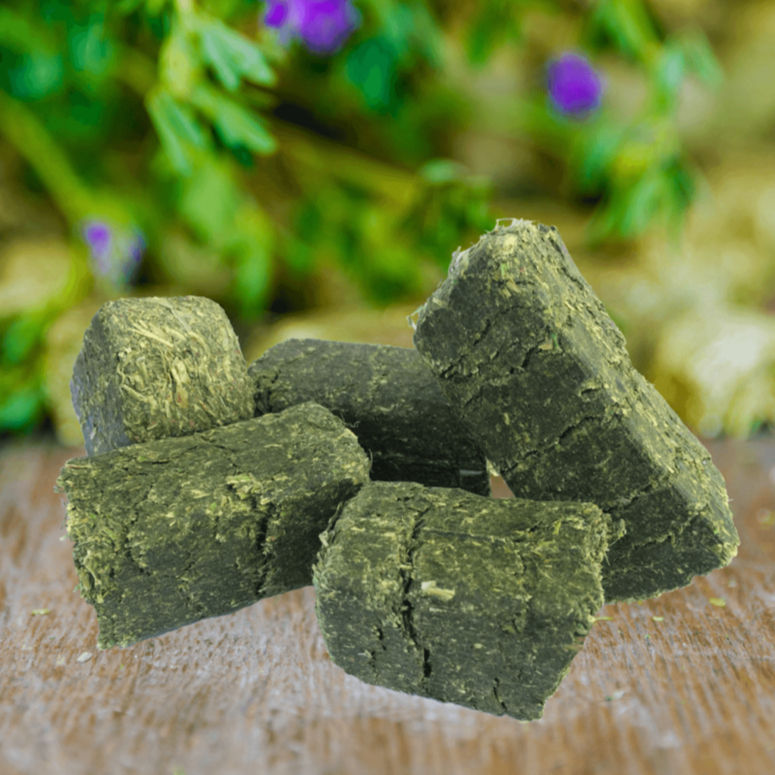
Alfalfa pellets are a convenient way to feed your horses. The uniform shape provides a consistent source of nutrition, without the hassle of a big bale of alfalfa.
Locally sourced alfalfa pellets have a higher likelihood of being high quality and fresh. These pellets don’t have to be shipped, stored in warehouses, and then driven all over to different locations. When you buy alfalfa pellets from a local alfalfa grower, your horses are sure the enjoy the taste and benefits of fresh feed.
Reliable
In Utah, you’re no stranger to winter storms & unsafe travel conditions. Weather can delay transportation of horse feed, so choosing to buy from a local source guarantees not only freshness but reliability.
Supporting Community
Buying from local farmers also supports the agricultural community here in Utah. In addition to the convenience, consistency, freshness, reliability, and nutritional benefits of locally sourced alfalfa pellets you are supporting local farmers with every purchase.
To summarize, Utah’s locally grown alfalfa pellets offer your horse high-quality nutrients, are a dependable feed source, and by purchasing them you are supporting the local farming community. It’s a win-win all around.
Tips for Feeding with Alfalfa Pellets
Feeding your livestock alfalfa is a great way to get necessary nutrients into their diet. While alfalfa can be eaten in multiple forms, pellets offer owners reliable convenience.
However, because it is a perishable product, there are certain measures that need to be taken regarding storage.
Storage Tips

Utah is known to have very hot summers, and the potential for damp fall & winter months. Alfalfa should definitely not get wet while in storage and should be stored in a temperature regulated area.
Summer storage:
Alfalfa pellets should not be stored in high heat for long. High temperature can cause the nutrients to start breaking down, and this can cause the pellets to become musty. This definitely shortens the shelf life of the pellets.
If you have a relatively shady building, like a tack room, that is typically a good place to store alfalfa pellets.
It’s sometimes a good idea to buy alfalfa pellets more often, and in smaller quantities, in warm months. Typically pellets can last 3-6 months in cool, dry conditions, but in the high summer heat of Utah they may only last 60 days of less.
To sum up, in summer months plan to buy alfalfa pellets more often and in smaller quantities to ensure your livestock are getting optimal nutrition from the pellets.
Winter Storage:

Winter storage is more about protecting the pellets from getting damp. It’s important to keep bags off the ground, perhaps on pallets, and away from doorways and windows that can leak.
Rodents and other pests often seek shelter and food in feed rooms.
Here are some tips for keeping rodents out of your pellets:
Keep alfalfa pellets in rodent-proof containers, like bins with tight lids
Clean up any spills that could attract rodents
Keep pellets off the ground
As a Utah resident, you’re no stranger to winter storms. Unlike in the warmer months, it’s a good idea to stock up on extra feed. You can’t be sure shipments will be able to arrive on time throughout the winter, so keeping extra as a safety net is a smart idea.
However, don’t forget to rotate your stock. You don’t want to keep older pellets on the back of a shelf and end up feeding your animals 12 month old pellets. While some sources will say that alfalfa pellets can last even longer, waiting to feed them to your animals reduces the nutrient value.
Simply put, it’s important to be aware of how and where you’re storing your alfalfa pellets in the winter.
If you notice a musty odor, mold, discoloration, or if the pellets have disintegrated into powder, it’s safest to discard them. The most important thing is making sure your horses get the best nutrient value possible.
Feeding Tips
Alfalfa pellets can be a great source of nutrition for your horses, and by following these tips you can ensure the amount & type of feed is best for your horse.
Ensure Plenty of Water

Alfalfa is richer in protein than grass hay, so horses need more water to process it. Additionally, they need lots of water in hot Utah summers!
It’s always important to ensure your horses have enough water, and there’s no exception when it comes to feeding alfalfa pellets. These pellets are pretty dry, and horses need water to be able to get all the possible protein and nutrients.
If you want to make sure your horses are drinking enough, you can soak the pellets in water, so they get that extra liquid in.
Introduce Changes Gradually
To avoid horses getting colic, make sure to introduce dietary changes slowly. A good rule of thumb is gradually over 7-14 days. You can give them a bit more each day until they have fully transitioned to the new diet.
The same thing should be done for seasonal changes like switching from summer pasture to winter hay. Start giving your horses hay in the fall, so they are used to it by the time winter comes around.
Feed According to Energy Needs (Seasonal Adjustments)
Depending on the activity level and age of your horse, feed type and amount needs to be adjusted. If you have a senior horse that’s trying to gain weight, you might try increasing the amount of forage and feed.
In the winter time, it takes horses more energy to stay warm. Also, they aren’t foraging as much in the winter weather. This means they need more feed, and alfalfa should be used more heavily.
Comparatively, in the summer horses are hot and often not as active, so the amount of alfalfa can be decreased as they forage in the pasture more.
Soaking Pellets – When and Why

If your horse tends to quickly gulp food, adding water to pellets can help. When you add liquid to pellets it creates a sort of mash. This makes horses have to slow down in order to get the feed in.
Soaking pellets is also a good idea for horses that are known to have dental problems, and for senior horses that can’t chew as well anymore.
Make sure you always discard uneaten soaked pellets quickly. They can spoil much faster.
Soaking alfalfa pellets is not necessary for all horses, so make sure you’re informed before making the decisions for your herd.
Feed Pellets at Ground Level
Feeding pellets on the ground is a good idea to reduce dust getting in your horse's nostrils. This is important to consider in Utah’s dusty summers.
Alfalfa pellets are known to be dusty, so make sure you’re taking the proper precautions to protect the respiratory health of your horse.
Monitor All Horses and Adjust
Different horses require different amounts and feeding styles of alfalfa pellets. You are in tune with the needs of your horse, so make sure you assess and adjust as you see fit.
To sum up, alfalfa pellets are a great source of nutritious protein for your horse. Whether your horse is super active and needs a lot of calories, or is a senior who doesn’t do much, they can have some form of alfalfa pellets.
There are ways you can adjust the form and amount of pellets for the needs or your horse.
Feed Your Herd Utah Grown Alfalfa Pellets

We hope you’ll consider shopping for alfalfa pellets at Rockin’ Rafter Ranch.
We provide the community here in Utah with locally grown alfalfa pellets, ensuring the freshness and quality that your horse deserves.
Visit Rockin' Rafter's online store to check out our alfalfa products. C
all us today to check availability and to place an order!

Comments