
What to Feed Horses in the Winter vs. Summer: Seasonal Feeding Tips

Understanding seasonal nutrition is key to maintaining horse health year-round. Whether you're caring for pasture horses or performance athletes, the question of what to feed horses in winter vs. summer can significantly impact their weight, energy, and well-being. This guide offers 15 in-depth sections to help you make informed feeding decisions based on seasonal needs.
Why Seasonal Feeding Matters
The seasonal shift from warm to cold weather brings physiological changes in horses that influence their dietary needs. During winter, horses burn more calories to stay warm, while summer often increases activity levels and fluid loss.
Many horse owners wonder what to feed horses when the temperature drops versus when the heat sets in. Adjusting rations seasonally ensures optimal body condition and performance.
In winter, maintaining caloric intake with higher-fiber, energy-dense feeds is critical. In summer, the focus shifts to hydration, electrolytes, and digestible fiber sources.
Seasonal feeding isn’t just about temperature—it’s about supporting the horse’s entire system through changing conditions. This is why answering what to feed horses throughout the year requires a flexible approach.
Evaluating Body Condition Throughout the Year
Monitoring body condition helps determine what to feed horses in any season. Too much fat or too little cover means your horse’s diet isn’t meeting current demands.

In winter, horses may lose weight quickly if forage quality declines or if energy needs spike.
Summer brings challenges too—horses may lose appetite or burn excess calories during intense work or heat.
North Dakota State University Extension and Ag Research News says, “Providing a sufficient amount of feed is extremely important during the winter because grazing usually is not an option.”
You should assess horses regularly using a Body Condition Score (BCS) chart and adjust rations accordingly. Horses should maintain a BCS of 5–6 on a 9-point scale year-round.
Knowing what to feed horses for maintaining or gaining weight ensures healthy metabolism and immune function across the seasons.
Whether it's through increasing hay in winter or boosting electrolytes in summer, seasonal assessments are your best guide to effective feeding.
Forage: The Foundation Year-Round
Forage should always be the cornerstone of a horse’s diet. Whether you're figuring out what to feed horses in summer or winter, hay or pasture should make up the bulk of their intake.
In winter, pasture quality drops or disappears altogether, so high-quality hay becomes essential. Alfalfa or mixed grass/alfalfa blends are common for winter diets.

In summer, access to lush pasture can meet most of a horse's energy and fiber needs, but rotational grazing or supplementation may still be necessary.
Proper storage and feeding techniques help maintain hay quality year-round.
Using slow feeders in winter can mimic grazing and reduce waste.
Regardless of the season, when asking what to feed horses, forage remains the first and most important consideration.
Hay Selection: Summer vs. Winter Needs
Different hays serve different purposes depending on the time of year. Choosing the right variety is key when deciding what to feed horses during seasonal transitions.
In winter, you may need to feed more energy-dense hay like alfalfa or second-cut grass hay to keep horses warm and maintain weight.
In summer, lighter hays like timothy or first-cut orchard grass help maintain digestive health without adding unnecessary calories.
Foxden Equine says, “During the summer months, horses tend to graze on fresh grass, but it's important to supplement their diet with hay or hay pellets to ensure they are getting the required amount of nutrients.”
Hay cubes and pellets are great substitutes when baled hay is unavailable or poor in quality, especially in winter when pasture is gone.
Feeding quality hay consistently throughout the year makes answering what to feed horses simpler, no matter the season.
Concentrates and Grain Adjustments
Grain isn’t always necessary, but it becomes more important when forage alone doesn’t meet calorie or nutrient requirements. In winter, this often means upping grain intake.

When evaluating what to feed horses, grain should be tailored to workload and forage availability. Winter diets may include more fat or fiber-based feeds to help with thermoregulation.
In summer, less grain is often needed, especially for pasture-kept horses with light workloads. Overfeeding can lead to weight gain or metabolic issues.
Always introduce or change grain slowly to avoid digestive upset, especially when transitioning between seasons.
Concentrates are tools, not crutches—used correctly, they support healthy weight and energy levels as you fine-tune what to feed horses seasonally.
Seasonal Vitamin and Mineral Requirements
As forage and workload change, so do vitamin and mineral needs. When deciding what to feed horses, these often-overlooked nutrients can make a major difference.
In winter, hay loses some of the fresh nutrients that pasture provides—especially vitamin E and omega-3 fatty acids. Supplementation is often necessary.
Salt and trace minerals are important in both seasons, but horses working hard in summer lose more electrolytes through sweat and may need targeted support.
Commercial vitamin-mineral balancers can ensure nutritional gaps are filled, regardless of the season or feeding style.
No matter the temperature, part of knowing what to feed horses means ensuring they get a complete nutrient profile year-round.
Hydration and Water Access
Hydration is critical for digestion, thermoregulation, and nutrient absorption. It’s one of the biggest factors in deciding what to feed horses seasonally.
In summer, horses sweat more, increasing their need for clean, fresh water and electrolytes. Dehydration is a serious concern during heat waves or travel.
In winter, horses may drink less if water is cold or partially frozen. This increases the risk of impaction colic, especially when hay intake is high.
Warm water access, soaked feeds, and salt blocks help maintain water consumption during cold months.
Whether it’s summer sun or winter chill, hydration should always be part of the conversation around what to feed horses.
Feeding Strategies for Winter Weight Maintenance
Many horse owners struggle to keep weight on their horses during winter. Understanding what to feed horses to meet cold-weather demands is essential.

Feeding free-choice hay, especially high-fiber types, helps horses generate internal heat through fermentation. This is more efficient than just feeding grain.
Oil, beet pulp, and rice bran are excellent calorie boosters that won’t cause sugar spikes. They're especially helpful for older or hard-keeping horses.
Shelter and blanketing also play a role in how much energy a horse needs from its feed to stay warm and maintain weight.
Smart strategies that align with what to feed horses in cold climates can prevent unwanted weight loss and keep your horse thriving all winter long.
Feeding in Hot Weather: Avoiding Overheating
High temperatures can reduce appetite and cause horses to sweat excessively. Understanding what to feed horses in hot months helps prevent heat stress and performance drops.
Choose feeds that are easy to digest and low in non-structural carbohydrates (NSC). Fat-based feeds provide cool energy without creating metabolic spikes.
Horses in summer also benefit from added electrolytes, especially if they're sweating heavily or competing. Salt licks alone may not be enough.
Feeding smaller meals more frequently can support digestion and reduce the risk of heat-related stress during the hottest hours of the day.
The more proactive you are about heat management, the easier it becomes to decide what to feed horses during the height of summer.
Adjusting Rations for Activity Level
A horse’s workload often changes between seasons, and this should directly influence what to feed horses.
Many horses work harder in summer—trail rides, shows, or lessons increase caloric needs. Others may rest more in winter, requiring less energy-dense rations.
Matching feed to activity helps prevent both weight gain and performance dips. Don’t rely on one “one-size-fits-all” ration all year.
Horses in full training or competition need more calories, protein, and vitamin E—especially in summer. Winter rest periods may call for ration reductions.
To maintain health and consistency, ask yourself regularly: based on this horse’s workload and season, what to feed horses now?
Feeding Senior Horses Through the Seasons
Older horses often require more attention when figuring out what to feed horses through seasonal transitions.

Dental issues make chewing hay difficult, especially in winter when grazing is unavailable. Soaked hay cubes or senior feeds offer digestible fiber alternatives.
In summer, older horses may need electrolytes and easily digestible concentrates to maintain energy and hydration during hot weather.
Regular weight checks, dental exams, and bloodwork help determine changing needs in senior horses.
As aging horses face seasonal changes more acutely, thoughtful adjustments in what to feed horses can significantly improve their comfort and quality of life.
Feeding Easy Keepers vs. Hard Keepers
Not all horses metabolize feed the same way. Understanding body type is vital to deciding what to feed horses, particularly across seasons.
Easy keepers—those that gain weight easily—may need limited pasture access or low-calorie hay in summer. In winter, hay rationing might be necessary to avoid excess weight gain.
Hard keepers need calorie-dense rations year-round, especially in cold months. Alfalfa, fat supplements, and frequent meals help them maintain weight.
Seasonal adjustments ensure each horse’s needs are met without triggering metabolic issues or weight imbalance.
Feeding by body type, not just by season, helps refine what to feed horses for long-term wellness.
Safe Feeding Transitions Between Seasons
Changes in diet should be made gradually to avoid colic or laminitis. This includes both switching hay types and increasing or decreasing grain.
Spring and fall are particularly tricky times when horses transition between fresh grass and hay. Knowing what to feed horses during these windows requires caution.
Introduce pasture slowly in the spring and taper grain as needed. In fall, increase hay intake gradually as grass declines.
Always observe changes in manure, appetite, or mood, and consult a vet or nutritionist for major dietary shifts.
Safe transitions are a critical piece of understanding what to feed horses without risking digestive disruption.
Cost and Availability Considerations
Feed cost and accessibility can vary by season, affecting choices around what to feed horses. Buying hay during harvest is often cheaper than during peak winter demand.
Supplement pricing also fluctuates—electrolytes, balancers, and oil can become more expensive during summer when demand spikes.
Winter storage constraints may also limit your ability to buy in bulk, forcing ration changes based on what’s available.
Consider budget and storage when planning seasonal feed strategies—advanced planning leads to better consistency.
Balancing quality, price, and supply is often the most practical way to determine what to feed horses long-term.
Customizing Feeding Plans for Each Horse
No two horses are alike. Breed, age, health status, and activity level all influence what to feed horses, especially as seasons shift.

A draft horse may need entirely different rations than a thoroughbred, even if both are in the same climate.
Individualized feeding plans account for metabolic needs, temperament, pasture access, and work schedule.
Work with a vet or equine nutritionist to fine-tune rations based on hay analysis, body condition, and regional climate.
In the end, what to feed horses should always be based on the unique needs of each animal—and how those needs evolve with the seasons.
Feed with the Seasons in Mind
Seasonal feeding is both an art and a science. As temperatures, daylight hours, and pasture availability shift, so do your horse’s nutritional needs. Knowing what to feed horses in winter versus summer allows you to proactively support their health, performance, and longevity.
By evaluating body condition, hydration, forage quality, and activity level, you can create a customized feeding plan that keeps your horse thriving all year long. Winter demands warmth and energy, while summer calls for hydration, cooling nutrients, and smart portioning.
A horse that’s well-fed for the season is a horse that stays healthy, performs better, and recovers faster. Be intentional. Be observant. And always be ready to adjust your approach.
When it comes to what to feed horses, the best answer changes with the seasons—but with the right knowledge, you’ll always be prepared.
Feed With Confidence—Choose Rockin Rafter Ranch
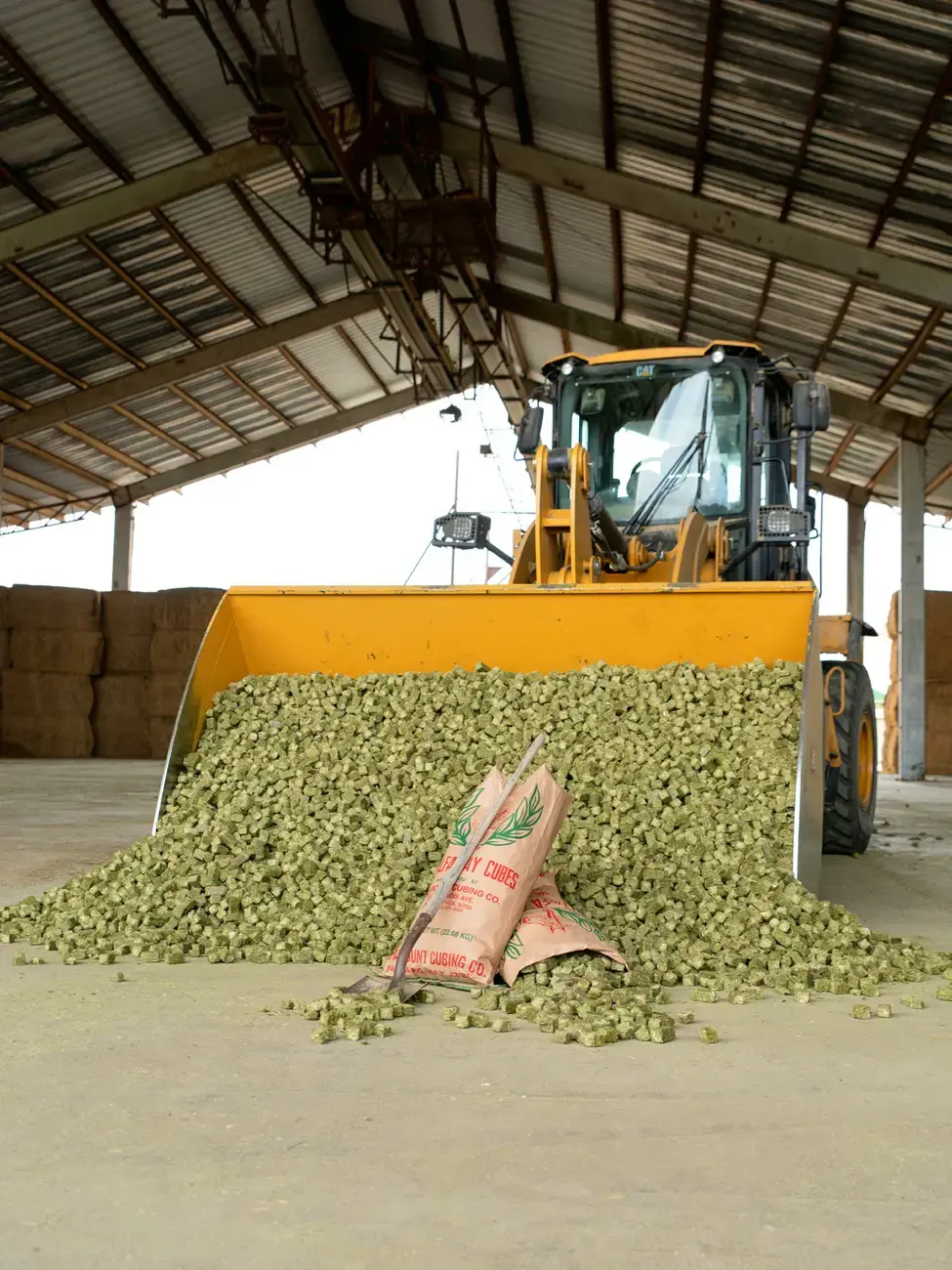
Whether you're preparing your horses for winter chill or summer heat, one thing remains constant—quality feed makes all the difference. At Rockin Rafter Ranch, we produce premium alfalfa cubes and forage products that support your animals through every season.
Locally grown in Utah, our feed is clean, consistent, and packed with the nutrition your horses and livestock need to thrive.
- Trusted by horse owners and ranchers across the region
- Naturally sun-cured and nutrient-rich
- Available year-round
Visit our website today or go directly to our alfalfa products page:
Support local. Feed better. Trust Rockin Rafter Ranch.


Comments