
How Much Alfalfa Pellets to Feed a Horse

Understanding Alfalfa Pellets
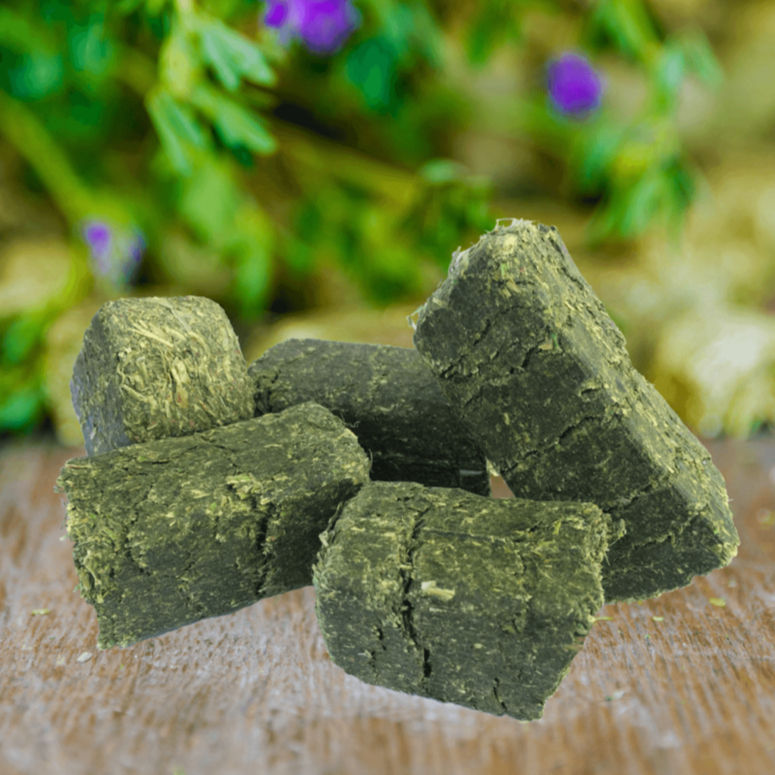
Alfalfa pellets are a compact, convenient form of alfalfa forage made from sun-cured alfalfa that’s ground and compressed into pellet form. One of the first questions horse owners often ask is how much alfalfa pellets to feed a horse.
Unlike loose hay, alfalfa pellets provide a more consistent nutrient profile and are easier to measure and store. They are especially helpful in areas where baled alfalfa isn’t readily available.
These pellets are high in protein (typically 15–18%) and calcium, making them beneficial for growing horses, lactating mares, and performance animals.
Before feeding, it's important to consider the horse’s weight, age, workload, and current diet to determine how much alfalfa pellets to feed a horse safely.
Overfeeding pellets without proper balance can result in digestive issues, mineral imbalances, or excess weight gain, so portion control is key.
Why Horses Need Forage First
Before diving into how much alfalfa pellets to feed a horse, it's crucial to understand that forage—whether in hay, cube, or pellet form—is the foundation of equine nutrition.

Horses need to eat 1.5–2.5% of their body weight in forage daily, which equals roughly 15–25 lbs for a 1,000 lb horse.
Alfalfa pellets can serve as a partial or full forage replacement if necessary.
When choosing pellets, opt for high-quality, mold-free products without additives, and consider how the pellets complement your horse’s current hay intake.
To determine how much alfalfa pellets to feed a horse, start by calculating the total daily forage needed and decide what percentage will be in pellet form.
Remember: always make gradual transitions when introducing pellets to prevent colic or changes in gut flora.
Feeding by Weight, Not Volume
Because alfalfa pellets are dense, always measure by weight, not by scoops. Knowing how much alfalfa pellets to feed a horse begins with a scale, not a scoop.
One standard 3-quart scoop of alfalfa pellets weighs roughly 2.5–3 lbs, depending on pellet size and moisture.
Most adult horses can safely consume 5–10 lbs of alfalfa pellets per day, spread across multiple feedings, if balanced with grass hay and proper supplements. Redmond shares information on how much feed to estimate in the winter.
Performance horses or lactating mares may consume 10–15 lbs if needed, but those numbers should be discussed with a veterinarian or equine nutritionist.
Whether feeding part or all of the forage in pellet form, always reevaluate frequently how much alfalfa pellets to feed a horse as workload and seasons change.
Feeding by Horse Type and Purpose
When calculating how much alfalfa pellets to feed a horse, remember that the horse’s purpose matters. Is your horse a hard-working eventer or a retired senior?

Performance horses burn more calories and need more protein and energy.
In these cases, 8–15 lbs of alfalfa pellets per day may be appropriate if forage and grain are well-balanced.
Horses on light work or pasture often need less—perhaps just 3–5 lbs daily—particularly if they’re also consuming grass hay or grazing.
Senior horses with dental issues may benefit from soaked alfalfa pellets as a hay alternative, but you should still monitor weight and adjust based on condition.
No matter the job or age, understanding how much alfalfa pellets to feed a horse begins with its workload, metabolism, and total diet profile.
Soaking vs. Feeding Dry
Many horse owners ask if pellets should be soaked. When deciding how much alfalfa pellets to feed a horse, this question affects both volume and safety.
Dry pellets are often harder and can pose a choking risk, especially for older horses or those that eat too fast.
Soaking pellets for 10–15 minutes softens them and increases palatability, making them easier to digest and less dusty.
Keep in mind that soaking increases volume—1 lb of dry pellets may expand to 3–4 cups of mash—so always measure before soaking.
Whether soaked or dry, the key point when asking how much alfalfa pellets to feed a horse is consistency, accurate measurement, and safe feeding methods.
Adjusting for Body Condition Score (BCS)
Your horse's weight and Body Condition Score (BCS) are vital in determining how much alfalfa pellets to feed a horse safely.
A horse with a BCS below 4 may need additional calories from alfalfa pellets, while an overweight horse should have limited high-calorie feed.
Use a weight tape and condition chart monthly to monitor changes. If your horse is gaining or losing weight too quickly, reevaluate your feeding plan.
Sometimes it’s not about how much alfalfa pellets to feed a horse, but how those pellets fit into the overall dietary strategy.
The goal is always balance: providing enough energy and nutrients without causing excess or deficiency.
Mixing with Other Forages
When you're feeding alfalfa pellets, they’re usually part of a larger forage plan. That’s why knowing how much alfalfa pellets to feed a horse includes assessing other feeds.

Many horse owners combine alfalfa pellets with grass hay to balance out calcium and protein levels.
This practice reduces the risk of overfeeding calcium, which is abundant in alfalfa and could lead to issues like enteroliths or developmental problems in young horses.
A common ratio is 70% grass hay to 30% alfalfa pellets, but this can vary based on age and workload.
So if you’re wondering how much alfalfa pellets to feed a horse, start by evaluating the total forage and adjusting pellet quantity accordingly.
Seasonal Adjustments in Pellet Feeding
As seasons change, so should your strategy for how much alfalfa pellets to feed a horse. During colder months, horses may need more energy to maintain body heat.
Alfalfa pellets are rich in digestible fiber, which helps generate internal heat through fermentation in the hindgut. That makes them a great winter supplement.
In contrast, during hot months or when pasture is abundant, you may need to scale back alfalfa pellet amounts to prevent excessive weight gain.
Seasonal activity levels also influence how much feed is needed. A less active horse in winter may need fewer calories, even if it's cold outside.
So when thinking about how much alfalfa pellets to feed a horse, include climate and time of year in your calculations.
Considerations for Senior Horses
Older horses often have dental issues that make chewing hay difficult. In these cases, owners frequently ask how much alfalfa pellets to feed a horse to replace traditional forage.

Soaked alfalfa pellets are often used as a hay alternative for seniors, providing easier-to-chew nutrition without sacrificing quality.
Start by replacing one flake of hay (about 5 lbs) with an equal weight of soaked pellets and monitor body condition closely.
For underweight or hard-keeping senior horses, alfalfa pellets can be fed in larger amounts, up to 10–12 lbs daily in divided servings.
Ultimately, knowing how much alfalfa pellets to feed a horse is key to ensuring longevity and comfort in older equine companions.
Pellets as a Partial Hay Replacement
Many horse owners consider whether alfalfa pellets can fully replace hay. The short answer: yes, but with careful planning.
If hay availability is low or storage is limited, you can replace part or all of the hay with pellets. But you'll need to assess how much alfalfa pellets to feed a horse per day to match caloric and fiber needs.
A typical 1,000 lb horse needs at least 15–20 lbs of forage per day. Alfalfa pellets can cover that need when properly measured and soaked.
However, hay provides behavioral benefits—like extended chew time—that pellets don’t, so a mix of both is ideal when possible.
Always weigh the pros and cons when determining how much alfalfa pellets to feed a horse as a hay substitute.
Feeding Alfalfa Pellets with Grain
Alfalfa pellets can be used alongside or instead of grain depending on your horse's energy demands and metabolism.
Some horses are grain-sensitive or "hot" and do better on forage-based diets. In these cases, calculating how much alfalfa pellets to feed a horse helps reduce or eliminate grain needs.
If grain is part of your program, avoid duplicating calories and protein by keeping pellet amounts moderate—often 4–6 lbs per day.
Always balance the overall diet, including vitamin and mineral supplements, to avoid gaps or excesses.
As you assess how much alfalfa pellets to feed a horse, consider how each feed type supports or offsets others in your program.
Feeding Frequency and Meal Size
Horses are designed to eat small meals frequently. So even if you know how much alfalfa pellets to feed a horse, dividing that amount into smaller feedings is healthier.

Instead of one or two large meals, feed pellets 2–3 times per day to avoid digestive upset or colic.
If feeding 9 lbs of pellets daily, divide into three 3-lb servings or two 4.5-lb servings to support optimal digestion.
Feeding too much at once—especially dry—can increase the risk of choke or stomach overload.
Feeding strategy matters just as much as volume when answering how much alfalfa pellets to feed a horse properly.
Common Feeding Mistakes to Avoid
While alfalfa pellets are a great forage source, improper use can cause issues. One mistake is guessing how much alfalfa pellets to feed a horse instead of weighing it.
Another is feeding too much too fast, which can cause colic or loose stool. Gradual introduction is always key.
Also, never forget the importance of water—especially when feeding dry pellets. Dehydration can lead to impaction.
Finally, feeding only alfalfa pellets without grass hay or mineral balancing may result in nutritional imbalances.
Avoiding these pitfalls ensures that your calculation of how much alfalfa pellets to feed a horse supports—not harms—your horse’s health.
Monitoring Digestive and Behavioral Changes
After making any changes to your horse’s diet, especially adjusting how much alfalfa pellets to feed a horse, pay close attention to their behavior and digestion.
Loose stool, bloating, or decreased appetite may signal overfeeding or improper transitions.
Likewise, if your horse seems sluggish or is losing weight, it may need more calories or additional supplements.
Keep a log of feeding quantities, weight changes, and overall health to make data-based decisions.
When determining how much alfalfa pellets to feed a horse, observation is your best tool for long-term success.
Customizing the Diet for Long-Term Success
Every horse is unique. Breed, age, activity level, and health all influence how much alfalfa pellets to feed a horse sustainably.

Use this guide as a starting point, but consult with your vet or equine nutritionist to personalize feeding plans.
Reassess feeding amounts every few months or with any change in training, health, or environment.
There is no one-size-fits-all approach, but with consistent monitoring and smart supplementation, alfalfa pellets can be a core part of your horse’s diet.
In the end, knowing how much alfalfa pellets to feed a horse helps you raise a stronger, healthier, and happier animal.
Make Every Pound Count with Local Quality Feed - How Much Alfalfa Pellets to Feed a Horse?
Feeding alfalfa pellets is both an art and a science. Knowing how much alfalfa pellets to feed a horse requires careful planning, observation, and a commitment to nutrition.
If you’re ready to stock up on premium, clean, and reliable alfalfa products, shop local with Rockin Rafter Ranch.
They provide Utah-grown quality alfalfa products you can trust—for every season and every horse.
Comments