
What Are Timothy Hay Cubes?
- McKenna Hines
- Jul 5, 2025
- 8 min read
Introduction to Timothy Hay Cubes
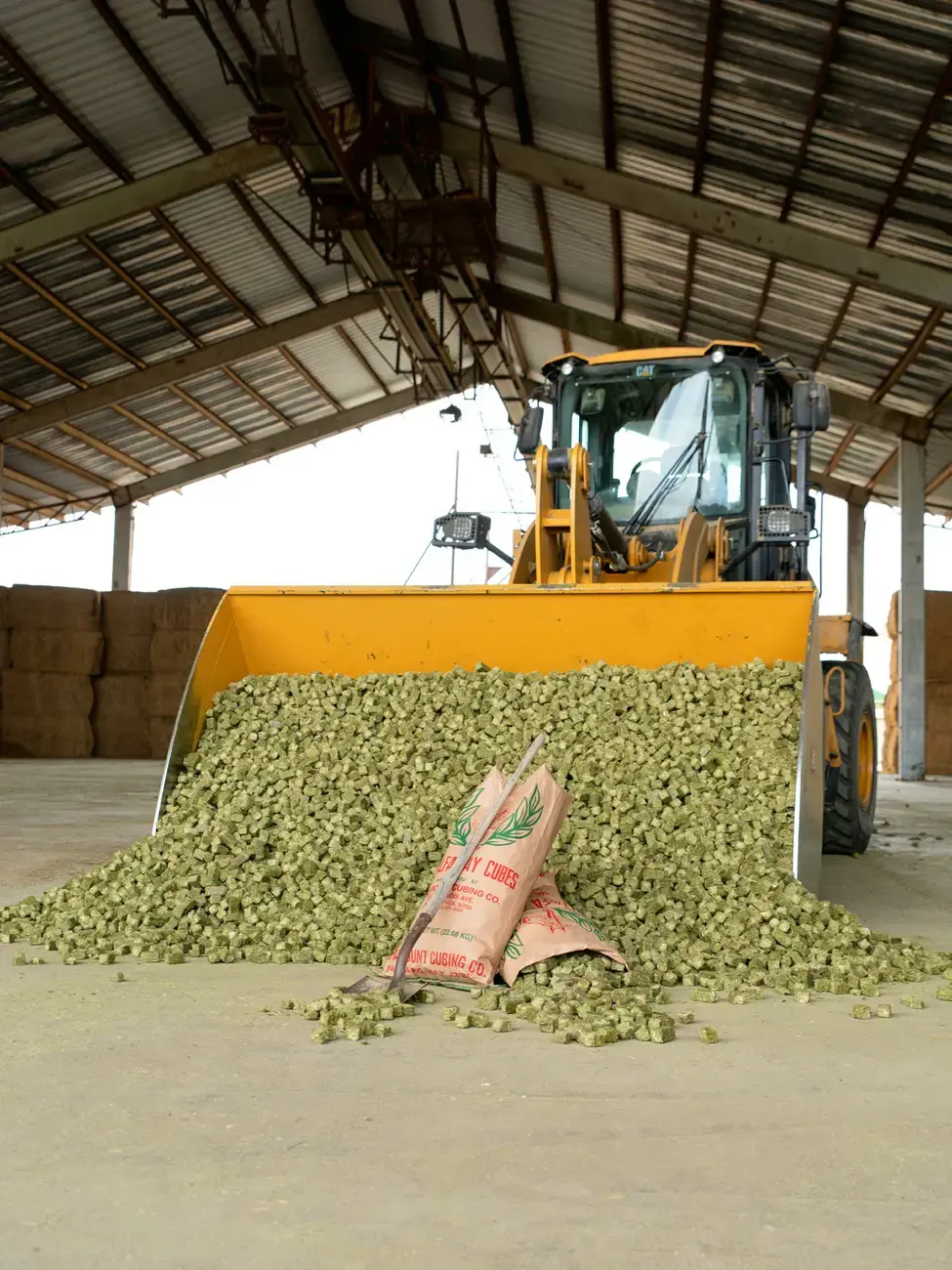
Timothy hay cubes are compact, compressed blocks made entirely from chopped timothy grass hay. They offer a convenient and nutrient-dense alternative to long-stem baled hay while maintaining many of the same benefits.
According to Kentucky Equine Research, “Forage cubes or forage pellets are a great alternative forage source when good-quality hay is not available or a suitable feedstuff.”
These cubes are created by drying timothy hay, chopping it into small particles, and compressing it under high pressure into uniform shapes. The result is a forage product that’s easier to handle, store, and feed.
Timothy hay cubes are typically fed to horses as a primary or supplemental forage source. They are especially useful in situations where hay storage space is limited or when consistent forage quality is needed.
The nutritional content of timothy hay cubes is generally consistent and can be tested and balanced more easily than variable-quality baled hay.
If you're looking for a reliable, dust-free, and easily digestible forage source, timothy hay cubes are worth considering for horses of all ages and disciplines.
Nutritional Benefits of Timothy Hay Cubes
One of the biggest advantages of timothy hay cubes is their reliable nutritional profile. Timothy hay is known for being lower in protein and calcium than alfalfa, making it ideal for horses with lower energy needs or those prone to metabolic disorders.

Timothy hay is naturally high in fiber, which supports gut health and motility. When compressed into cubes, these benefits remain intact, providing excellent support for digestion.
Because of their controlled processing, timothy hay cubes typically contain fewer weeds, mold spores, or dust particles than traditional hay bales. This makes them especially valuable for horses with respiratory issues.
These cubes also retain essential vitamins and minerals found in timothy grass, such as vitamin A, vitamin D, potassium, and magnesium, making them a well-rounded forage choice.
For horse owners looking for a consistent, moderate-energy forage solution, timothy hay cubes deliver dependable nutrition without overloading protein or calories.
How Timothy Hay Cubes Are Made
The production process of timothy hay cubes begins in the field. Timothy grass is harvested at its nutritional peak, then sun-dried or mechanically dehydrated to preserve its quality.
Once dried, the hay is chopped into smaller, uniform lengths. This chopped hay is then sent through a high-pressure compression machine, forming it into firm, cube-shaped blocks.
The cubes are typically sized to allow easy feeding and portion control, often around 1–1.5 inches in diameter. This makes them ideal for portioning and reduces waste.
The compression process does not involve added binders, chemicals, or preservatives, ensuring that timothy hay cubes remain a natural and wholesome forage option.
By understanding how timothy hay cubes are made, horse owners can appreciate the care taken to preserve both the nutritional value and usability of this alternative forage form.
Ideal Horses for Timothy Hay Cubes
Not every horse needs the high protein and calcium found in alfalfa-based forage. For many, especially easy keepers and those with metabolic challenges, timothy hay cubes offer a safer alternative.

Senior horses that struggle with chewing long-stem hay often benefit from soaked timothy cubes, which are softer and easier to eat without compromising nutrition.
Horses with allergies or respiratory issues are also prime candidates. Because timothy hay cubes are virtually dust-free, they help minimize respiratory flare-ups.
Overweight horses, ponies, or those with insulin resistance can thrive on a timothy-based diet, which is naturally lower in non-structural carbohydrates (NSC) than other hay types.
For horse owners managing horses with special dietary needs, timothy hay cubes provide a flexible and dependable forage option.
Feeding Timothy Hay Cubes Properly
Feeding timothy hay cubes requires some planning to ensure proper portioning and hydration. Start by determining how much forage your horse needs—generally 1.5–2.5% of their body weight in total forage per day.
Cubes can be fed dry to horses with good teeth and no history of choke, but soaking is always recommended for safety. This is especially true for senior horses or fast eaters.
To soak cubes, simply cover them with warm water and let them sit for 15–30 minutes until they reach a mash-like consistency. Soaked cubes are easier to chew and digest.
Timothy hay cubes can be used as a partial or full hay replacement. If replacing all forage, it's best to split the daily amount into multiple small meals to simulate natural grazing behavior.
With the right approach, timothy hay cubes can provide a balanced, safe, and satisfying forage option for your horse.
Soaking Timothy Hay Cubes: Best Practices
Soaking timothy hay cubes is a common practice that enhances their safety and digestibility. Horses with dental issues or those prone to choke greatly benefit from this extra step.
The soaking process softens the cubes, making them easier to chew and helping horses with compromised teeth or jaw strength maintain good body condition.
Soaked timothy hay cubes also support hydration, particularly in the winter or during travel, when horses may drink less water. Offering soaked forage can prevent impaction colic and dehydration.
For best results, soak cubes in a 2:1 water-to-cube ratio using warm water. Let them sit for 15–30 minutes until they break apart fully into a mash.
Adding this step ensures that timothy hay cubes are a safe, effective component of your feeding program, especially for older or high-risk horses.
Comparing Timothy Hay Cubes and Alfalfa Cubes
Choosing between timothy hay cubes and alfalfa cubes depends on your horse's individual needs. Alfalfa is richer in protein and calcium, while timothy hay offers a lower-energy, lower-protein profile.
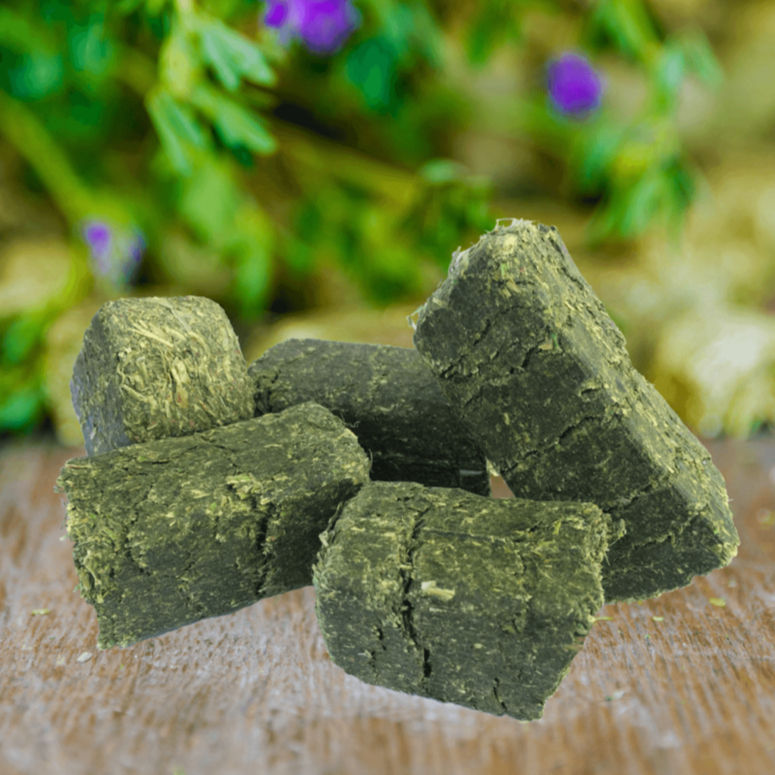
Timothy hay cubes are better suited for easy keepers, horses with metabolic issues, or those requiring a controlled diet. They help maintain weight without adding excess calories.
Alfalfa cubes, on the other hand, are appropriate for high-performance horses, lactating mares, or animals needing more energy and protein to build muscle.
Blending the two types can offer a balanced forage solution for horses that benefit from both energy and fiber, especially during transition periods or training cycles.
When choosing a forage base, timothy hay cubes provide a safer, more moderate choice for a wide variety of horses without the risk of overfeeding protein.
Using Timothy Hay Cubes for Weight Control
Weight management is a major concern for many horse owners. Timothy hay cubes can be a useful tool for regulating caloric intake while maintaining proper fiber consumption.
Because timothy hay is naturally lower in calories and non-structural carbohydrates, it’s an excellent choice for horses prone to obesity, laminitis, or metabolic syndrome.
Feeding cubes allows for accurate measurement and portion control, reducing the chances of overfeeding. Cubes also reduce hay waste, which often leads to inconsistent intake.
By feeding soaked timothy hay cubes, horses feel full and satisfied without consuming excess sugar or energy. This supports healthy weight loss or maintenance.
Whether your horse needs to lose a few pounds or simply maintain a healthy condition, timothy hay cubes can play an essential role in that plan.
Storage and Shelf Life of Timothy Hay Cubes
Storing timothy hay cubes correctly is key to maintaining their nutritional quality and preventing mold or spoilage. Because they are dense and dry, they are easier to store than baled hay.

Keep hay cubes in a dry, cool place away from moisture and direct sunlight. Seal opened bags tightly or use airtight containers to prevent exposure to pests or humidity.
The shelf life of timothy hay cubes is typically several months to a year if stored properly. Check for signs of spoilage, such as a sour smell, discoloration, or visible mold.
Compared to loose hay, cubes are less messy and easier to handle in feeding areas. This makes them particularly convenient for boarding barns or travel.
Good storage habits ensure that your timothy hay cubes remain safe, nutritious, and palatable throughout their use.
Timothy Hay Cubes and Dental Health
For horses with missing or worn-down teeth, chewing traditional hay can be painful or ineffective. Soaked timothy hay cubes provide a manageable solution.
When fed soaked, cubes reduce chewing effort while delivering vital fiber and nutrients. This helps aging horses avoid weight loss caused by poor forage intake.
Younger horses recovering from dental procedures may also benefit from temporarily eating soaked cubes until their chewing ability returns to normal.
Feeding cubes reduces the risk of choke in dental-compromised horses. They also eliminate long stems that may get caught in the mouth or throat.
With proper feeding and soaking, timothy hay cubes support excellent dental and digestive health for horses at all stages of life.
Traveling with Timothy Hay Cubes
Timothy hay cubes are ideal for traveling with horses. Their compact size, reduced mess, and ease of portioning make them perfect for use on the road or at events.
Unlike bulky bales, cubes take up less space in trailers and storage bins, allowing you to carry more feed in a limited space.
Cubes provide a familiar and consistent forage source that reduces stress and minimizes the risk of digestive upset in new environments.
You can pre-soak cubes or soak them at your destination, giving your horse a soft, hydrating meal that supports calm behavior and good gut health.
Traveling can be stressful for horses, but feeding timothy hay cubes helps ensure consistency and peace of mind.
Common Myths About Timothy Hay Cubes
Despite their benefits, timothy hay cubes are sometimes misunderstood. One common myth is that cubes are “processed” or less natural than baled hay.

In truth, timothy hay cubes are made from chopped hay without additives. The compression process simply improves storage and handling—not nutritional value.
Another myth is that cubes cannot fully replace hay. While long-stem hay supports chewing behavior, soaked cubes provide equivalent fiber and nutrition when fed in proper amounts.
Some owners believe cubes are only for seniors, but timothy hay cubes are suitable for horses of all ages when fed correctly and matched to dietary needs.
Understanding the facts allows horse owners to make informed choices and realize the full benefits of timothy hay cubes.
Integrating Timothy Hay Cubes into a Balanced Diet
A well-rounded diet often includes forage, concentrate feeds, supplements, and clean water. Timothy hay cubes can serve as the forage base in this equation.
Forage should make up at least 50–70% of a horse’s total diet by weight. When fed correctly, cubes can meet this requirement fully or in part.
Complement timothy hay cubes with a vitamin-mineral supplement to ensure your horse receives all essential nutrients not present in hay alone.
Grains or concentrates may be added for horses with higher caloric needs, but care should be taken not to overfeed starch or sugars.
By integrating timothy hay cubes thoughtfully, you can build a diet that supports energy, digestion, and overall well-being.
When to Avoid Timothy Hay Cubes
While timothy hay cubes are suitable for most horses, there are a few exceptions. Horses with allergies to timothy grass may need an alternative forage source.
Some horses may dislike the texture of cubes when dry. In these cases, soaking or switching to a different forage form may be necessary.
Horses that bolt their feed are at higher risk of choking on dry cubes. If not soaked, cubes should be fed in a way that slows intake, such as in a slow feeder or with barriers in the pan.

Young foals that are still learning to chew should not be given dry cubes. Their digestive systems are better suited for soft hay or soaked alternatives.
With proper supervision and awareness, timothy hay cubes can still be part of a tailored, horse-specific feeding plan.
Why Timothy Hay Cubes Deserve a Place in Your Feed Room
Timothy hay cubes are an excellent forage solution for horse owners seeking consistency, safety, and nutritional value. Their flexibility makes them suitable for senior horses, easy keepers, travelers, and horses with dental issues.
Their moderate protein and calcium content provide a balanced foundation for daily nutrition without the risks associated with richer forages.
By learning how to properly store, soak, and feed timothy cubes, owners can unlock their full potential as a core part of the diet.

Whether used as a full hay replacement or a supplemental feed, timothy hay cubes offer modern solutions grounded in natural, time-tested forage.
With the right management, timothy hay cubes can support your horse’s health, performance, and long-term well-being.
For horse owners looking to balance convenience, nutrition, and care, timothy hay cubes are a smart, science-backed choice.
By including them in your horse’s feeding routine, you’re investing in their comfort, health, and long-term wellness. At Rockin Rafter Ranch in Erda, Utah we have great alfalfa products! Please check out our inventory and contact us with any questions!


Comments