
Types of Hay for Sale in Utah
Alfalfa Hay: High-Protein Feed for Performance Livestock

Alfalfa hay is one of the most commonly sought-after hays in Utah, prized for its high protein content and nutritional value. It is particularly popular among dairy farmers and horse owners who need a feed that promotes muscle development and overall health. Alfalfa is a legume hay, which means it also contributes nitrogen back into the soil, helping maintain the fertility of Utah's arid agricultural lands.
This hay is rich in calcium and energy, making it ideal for young, growing animals, lactating cows, and high-performance horses. Utah's dry climate helps in producing high-quality alfalfa with minimal mold or spoilage. It also reduces the chance of dust, making it safer for animals with respiratory sensitivities.
Buyers seeking alfalfa hay for sale will find several cuttings available throughout the growing season. First cutting may contain more stems and weeds, while second and third cuttings are typically softer and leafier. This variation allows ranchers to choose the right quality for their specific livestock needs.
Alfalfa can be fed alone or blended with other forage to balance a diet. For example, mixing alfalfa with grass hay can help regulate the energy intake for less active animals. It’s important for buyers to inspect the hay’s color, smell, and moisture content before purchase to ensure quality.
Farmers and ranchers in Utah have access to locally grown alfalfa, reducing transportation costs and supporting regional agriculture. With “hay for sale” signs visible throughout rural Utah, alfalfa is often sold in square or round bales to suit different feeding setups.

Timothy Hay: A Favorite for Horses
Timothy hay is a premium grass hay favored by horse owners in Utah. Known for its soft texture, pleasant aroma, and balanced nutrition, Timothy hay is easy for animals to digest and is ideal for those that require lower protein levels compared to alfalfa.
This hay comes in three distinct cuttings. First cutting tends to be coarser and stemmier, ideal for roughage. Second cutting is softer and leafier, providing a balanced blend of nutrients and palatability. The third cutting is very fine and soft but may lack the same fiber content, so it's often reserved for picky eaters or animals with dental issues.
Utah growers produce excellent Timothy hay, especially in cooler mountain regions where the climate mimics the hay’s native growing conditions. Due to limited production areas, Timothy hay for sale in Utah may be priced slightly higher but is often considered worth the investment.
For horses prone to colic or founder, Timothy is a safer option than high-energy feeds. Its low calcium content makes it ideal for adult horses not in heavy work or breeding. Because it’s dust-free and easy to chew, it’s also used for small pets like rabbits and guinea pigs.
Timothy hay is commonly sold in compressed bales, flake packs, and even mini-bales to suit small and large-scale buyers alike. Retailers and local feed stores across Utah often stock a range of options under the “hay for sale” category to meet equestrian and companion animal needs.
Orchard Grass: Versatile and Nutritious
Orchard grass hay is a versatile and palatable forage option widely grown in Utah. It has a soft, leafy texture that animals find very appealing, and it offers a moderate protein level—higher than Timothy but lower than alfalfa. This makes it ideal for mixed herds of livestock with varying dietary needs.
One of the key advantages of orchard grass is its ability to regrow after cutting. This perennial grass produces multiple cuttings per season in Utah’s irrigated fields. Its yield, coupled with good palatability, makes it a smart choice for ranchers seeking high forage efficiency.
This hay maintains quality throughout different growth stages. Mature orchard grass is still soft and digestible, whereas other grasses can become coarse and less desirable as they mature. Because of this, it is often blended with legumes or fed alone as a staple forage.
When sourcing orchard grass under the “hay for sale” category, Utah buyers should look for a bright green color and a fresh, sweet smell. These signs indicate that the hay was harvested and stored correctly, minimizing the risk of mold or nutrient degradation.
For livestock such as goats, sheep, and horses, orchard grass provides a solid nutritional foundation without the risk of overfeeding protein or calcium. Utah feed producers increasingly recognize its value, offering it in bulk and retail formats for different operation sizes.
Mixed Grass Hay: Balanced and Economical
Mixed grass hay is a cost-effective solution for Utah livestock owners seeking nutritional diversity. This type of hay combines several grasses—like brome, orchard grass, fescue, and sometimes a touch of alfalfa. The blend provides a variety of textures and nutrient profiles, which helps stimulate appetite and improve digestion.
This hay is commonly available throughout Utah due to its ease of growth and adaptability to different soil types and climates. Many farmers plant a mixed seed base to improve yields and offer a more drought-resistant forage option. The result is a hay that reflects Utah’s diverse microclimates.
Mixed grass hay for sale is especially popular for beef cattle, older horses, and goats. It supports weight maintenance without the risk of excessive calories, making it ideal for animals in light work or retirement. It also reduces the likelihood of nutritional imbalances caused by feeding a single hay type.
Buyers should inspect mixed grass hay for weed content, leaf retention, and overall cleanliness. While economical, some low-quality blends can contain undesirable materials or excessive dust if not properly cured. Trusted Utah producers often label their blends and provide nutrient analyses.
With a balanced blend of forage types, mixed grass hay helps reduce feeding fatigue. Animals tend to consume more when they enjoy the taste and texture of their feed, leading to better health outcomes and less waste. This makes it a practical choice for operations with budget-conscious feeding strategies.

Brome Grass Hay: Ideal for Digestive Health
Brome grass hay is gaining popularity among Utah ranchers for its soft texture and high digestibility. This cool-season grass hay is suitable for horses, cattle, and other livestock, offering a moderate protein level and good fiber content. It helps promote gut health and steady energy levels without causing digestive upset.
Brome hay is less prone to mold and dust, making it a preferred option for animals with respiratory sensitivities. It has a leafy, palatable profile that encourages consistent consumption, even in picky eaters. Its lower sugar content compared to other grass hays also reduces the risk of laminitis in horses.
In Utah, smooth brome is typically harvested in early summer. Its long regrowth cycle limits the number of cuttings per year, but its quality remains high with proper irrigation. Many farmers grow it in rotation with alfalfa or orchard grass to improve soil structure and optimize yields.
For buyers seeking hay for sale that suits both performance and maintenance diets, brome grass is an excellent choice. Its versatility allows it to be fed as a standalone forage or blended with legumes for animals needing higher energy. It’s commonly used in cattle backgrounding operations and equine boarding facilities.
Farmers and suppliers often stock brome hay in small square and large round bales. Buyers should check for leafy texture, minimal seed heads, and a sweet, grassy aroma to ensure high quality. Utah-based hay dealers frequently include brome in their offerings due to its rising demand and excellent feed value.
Meadow Hay: Native and Sustainable
Meadow hay is a naturally occurring blend of native grasses harvested from lowland meadows and pastures. In Utah, this hay is valued for its sustainability and regional adaptation. It often contains bluegrass, wild rye, fescue, and clover, providing a unique nutritional profile that supports overall animal wellness.
This hay type is especially useful for mature livestock or animals not in heavy work, as it tends to have lower protein and energy content. It’s gentle on the digestive system and provides excellent roughage. Meadow hay is ideal for feeding animals that require maintenance-level nutrition.
One advantage of meadow hay for sale in Utah is its availability from lands that are not heavily irrigated. This makes it an eco-friendly option that supports traditional land stewardship and biodiversity. It also helps preserve open space in agricultural communities.
Buyers should note that meadow hay can be variable in quality due to its mixed composition. Therefore, visual inspection and forage testing are essential. High-quality meadow hay will have a consistent texture, pleasant aroma, and minimal weeds or foreign material.
Meadow hay is typically available in bulk or large square bales and is often more affordable than single-variety hays. It’s a smart choice for cost-conscious buyers looking for forage that aligns with sustainable farming values and supports natural grazing behaviors.
Oat Hay: Dual-Purpose Feed Option
Oat hay is a versatile forage option that combines the benefits of cereal grains and traditional hay. In Utah, it’s grown both as a standalone feed and as a by-product of grain harvest. It provides a soft, palatable texture and is rich in fiber and energy, especially when harvested at the milk or early dough stage.
This hay is suitable for cattle, sheep, goats, and some horses, although caution is needed due to its potential starch content. It’s especially useful during cold months when animals require more energy to maintain body temperature and condition. Oat hay supports weight gain and rumen health.
When looking for oat hay for sale in Utah, it’s important to consider the cutting stage. Early-harvested oat hay contains more leaf matter and protein, while later cuttings are stemmier but offer higher fiber. The hay should be green with intact seed heads and free of dust or mold.
Many Utah farmers rotate oat hay with alfalfa or corn, allowing for soil regeneration and diversified income streams. This also helps maintain a local supply of oat hay for winter feeding programs or emergency forage needs during drought years.
Oat hay is typically baled in large rounds or squares and often used in mixed rations. It pairs well with legumes or other grass hays to create a well-balanced feed. Its adaptability and cost-effectiveness make it a valuable addition to any Utah feed program.
Teff Hay: Premium Choice for Sugar-Sensitive Livestock

Teff hay is a warm-season annual grass that’s gaining traction in Utah, particularly among horse owners managing sugar-sensitive animals. Teff is naturally low in non-structural carbohydrates (NSCs), making it an excellent choice for horses with metabolic issues, insulin resistance, or a history of laminitis. This article gives some additional reasons why Teff Hay is a good choice for your horses.
Despite its low sugar content, Teff provides good protein and digestibility. It grows quickly and yields well in Utah’s arid summer conditions, provided irrigation is available. This has led many local growers to include Teff in their crop rotation for late-season hay production.
Teff hay for sale is usually fine-stemmed, soft, and leafy, making it highly palatable. It’s often harvested at the boot stage to retain nutrients, and it cures quickly due to its low moisture content. Properly stored Teff retains its bright green color and sweet aroma.
In addition to horses, Teff is also suitable for cattle, goats, and sheep. Its versatility in feeding programs, especially for animals needing calorie control, makes it a premium option. However, buyers should verify that Teff was harvested and stored correctly, as it’s sensitive to over-drying.
Utah feed stores and hay brokers increasingly include Teff in their offerings as demand grows. It’s typically more expensive than traditional grasses, but for sensitive animals, it can be a health-preserving investment that reduces long-term veterinary costs.
Ryegrass Hay: Fast-Growing and Palatable
Ryegrass hay is a fast-growing forage option commonly used in rotational grazing systems and hay production. In Utah, it can be grown during spring and fall seasons thanks to its quick maturity and adaptability to various soil types. It's known for its tender stems and high palatability, which makes it a favorite among many livestock species.
This hay has moderate protein levels and good digestible fiber, supporting healthy weight maintenance without overstimulating growth. It's ideal for sheep, goats, and young cattle who benefit from a nutrient-dense feed that doesn't overwhelm their system. The hay’s texture also encourages steady chewing and saliva production, promoting digestion.
One of the key benefits of ryegrass hay for sale is its uniform quality when properly harvested. It can be cut multiple times per season and retains a green color and soft feel if dried correctly. Its consistent leafiness and mild aroma appeal to even selective animals.
Ryegrass can be used as a standalone hay or mixed with clover or alfalfa to increase protein content. In Utah’s variable climate, it's often overseeded into pastures to improve forage resilience and extend grazing availability. This makes it a valuable option for both haying and pasture management.
Because it matures quickly, timing is crucial for harvesting ryegrass hay. Early-cut ryegrass is high in nutrients, while late harvests become stemmier and less digestible. Utah growers who optimize cutting windows can produce high-quality hay that fetches a premium in local and regional markets.
Clover Hay: Nutrient-Dense Legume for Ruminants
Clover hay, including varieties like red clover and white clover, is another legume-based option rich in protein and calcium. While it’s not often fed on its own, it plays a significant role in mixed hays and pastures across Utah. Clover improves soil health and increases nitrogen levels, making it a sustainable forage crop.
This hay is particularly beneficial for ruminant animals like cows, goats, and sheep, as it promotes milk production and supports reproductive health. The soft texture and rich taste of clover also help improve overall hay intake in mixed forage rations.
One consideration with clover hay is its moisture content, which can lead to mold if not properly dried. Utah’s dry summer climate helps mitigate this risk, but farmers must still take care to cure and store it correctly. High-quality clover hay should be leafy, green, and free of musty odor.
Clover is often blended with grasses like orchard or Timothy to balance its richness. These mixtures offer a more complete nutritional profile and reduce the risk of bloating in ruminants, a concern when feeding legumes exclusively.
In the Utah "hay for sale" market, clover-inclusive blends are often labeled clearly so buyers know the legume content. These mixes are an excellent choice for boosting protein intake without relying solely on alfalfa, offering more flexibility in animal nutrition plans.
Sudan and Sorghum-Sudan Hay: High-Energy Summer Forage

Sudan grass and sorghum-sudan hybrids are warm-season grasses that grow rapidly in Utah's hot summers. These types of hay are valued for their high yields and energy content, making them excellent for beef cattle, dairy cows, and even horses in controlled amounts.
These forages produce thick stems and tall growth, resulting in multiple cuttings per season. When harvested at the right time—typically before boot stage—they retain good digestibility and nutrient density. The hay is high in fiber and energy but lower in protein than alfalfa.
Sorghum-sudan hay for sale is particularly useful during drought years, when traditional grasses may struggle. These hybrids are drought-tolerant and thrive on limited irrigation, making them a reliable backup forage for Utah livestock operations.
Caution must be taken with nitrates and prussic acid levels in Sudan-type hays, especially when grown under stress. Proper harvesting and curing techniques eliminate most risks, and tested hay ensures safety for animal consumption. Buyers should request lab results when purchasing this type of hay.
Thanks to its productivity and energy content, sorghum-sudan hay is a staple in many Utah beef operations. It’s often baled in large formats and stored for winter feeding. Forage planners in the state increasingly recommend these varieties for resilience and feed security.
Buying Tips: What to Look for in Utah Hay for Sale
When searching for hay for sale in Utah, knowing what to look for can make all the difference in animal health and farm productivity. The first step is understanding your livestock’s nutritional needs—different species and life stages require different types and qualities of hay.
Visual inspection is key: high-quality hay should be green, leafy, and free of mold, dust, or foreign debris. A sweet, fresh smell typically indicates good storage and curing practices. Avoid hay that is brown, musty, or excessively stemmy unless it’s intended for roughage only.
Ask for a forage test or nutritional analysis when possible. This is especially important for alfalfa and cereal hays, where protein and sugar levels can vary greatly. Knowing the values allows you to balance feed rations accurately and prevent over- or under-nourishing your animals.
Consider the source and storage method. Locally grown hay has the advantage of freshness and reduced transport costs, and Utah’s climate supports excellent drying and storage. Always inquire about the cutting, field conditions, and whether the hay was rained on before baling.
Finally, buy from reputable suppliers who specialize in hay sales. Whether it's from a local farmer, feed store, or broker, working with knowledgeable sellers ensures consistent quality and availability. Many Utah sellers list their “hay for sale” online, allowing you to compare prices, availability, and types before making a purchase.
Choose Local, Choose Quality – Buy from RR Ranch
When it comes to sourcing high-quality hay for sale in Utah, understanding the different types—from alfalfa and orchard grass to Teff and sorghum-sudan—empowers you to make the best decisions for your livestock’s health and performance. Whether you're feeding dairy cows, horses, goats, or beef cattle, the right hay makes a world of difference in nutrition, productivity, and overall animal wellness.
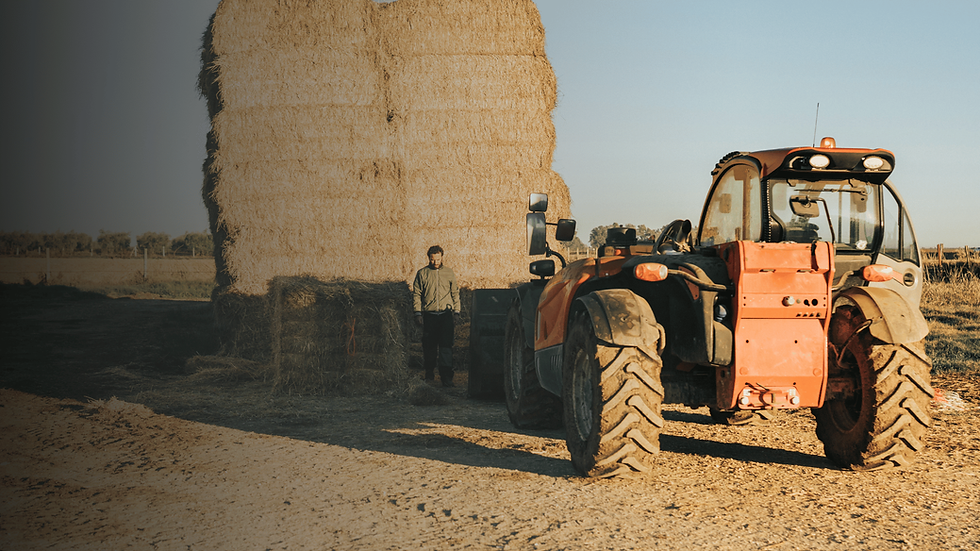
But just as important as the type of hay is the source. That’s why buying local from RR Ranch is the smart choice for Utah farmers and animal owners. Located right here in Utah, RR Ranch grows and supplies premium-grade hay, harvested with care and tested for quality. Their commitment to sustainable farming and animal health ensures you’re not just getting hay—you’re getting reliability, nutrition, and peace of mind.
When you buy from RR Ranch, you support local agriculture, reduce transportation costs, and ensure fresher, cleaner feed for your animals. Plus, you benefit from personalized customer service and knowledgeable advice tailored to your operation’s unique needs.

Don’t settle for unknown suppliers or low-grade feed. Call RR Ranch today, or visit us online to view our current hay inventory. Whether you need a truckload for your cattle ranch or a few bales for your horse barn, RR Ranch has the hay you can count on—grown in Utah, for Utah.
Shop local. Feed with confidence. Choose RR Ranch.


Comments