
Everything To Know About Livestock Feed
- McKenna Hines
- Jun 4, 2025
- 13 min read
What Is Livestock Feed?

Livestock feed refers to the food provided to domesticated animals raised in agricultural settings. This includes cattle, sheep, goats, pigs, chickens, and more. The right livestock feed ensures health, productivity, and sustainability.
There are many types of livestock feed, each tailored to different species, life stages, and production goals. From hay and grains to pellets and supplements, the options are vast.
Choosing the right livestock feed is essential for maintaining growth, fertility, and disease resistance. It also impacts the cost-efficiency of your operation, making it a top priority for livestock managers.
Quality livestock feed includes balanced levels of protein, fiber, vitamins, and minerals. This ensures animals receive all the nutrients they need in every phase of life.
Whether you operate a backyard homestead or a full-scale ranch, understanding livestock feed is key to success. It’s not just about feeding—it’s about feeding smart.
At RR Ranch, we provide top-tier livestock feed products that support local animals and their owners across Erda, Utah and surrounding communities.
Why Livestock Feed Matters
Livestock feed plays a direct role in the productivity and profitability of any farm or ranch. Animals require proper nutrition to grow, reproduce, and produce milk, meat, or fiber.
Improper or poor-quality livestock feed can result in health problems, reduced performance, and increased vet bills. It’s essential to tailor your feed strategy to the needs of your herd or flock.
Balanced livestock feed helps optimize feed-to-gain ratios, meaning your animals convert their food into weight or production more efficiently. This reduces overall costs and improves outcomes.
The right livestock feed also supports a strong immune system. Well-fed animals are less likely to suffer from common illnesses, parasites, or stress-related issues.
Feeding isn’t just a daily chore—it’s a long-term investment. The feed you provide today influences the future health, productivity, and value of your livestock.
At RR Ranch, we specialize in livestock feed that delivers on both quality and cost-effectiveness. Our mission is to help you raise strong, thriving animals.
Different Types of Livestock Feed
Livestock feed comes in several forms—each offering unique benefits depending on your setup and goals. The most common types include hay bales, alfalfa cubes, pellets, grains, and mixed rations.
Hay bales are traditional and provide roughage essential for rumen function. They’re great for cattle, goats, and horses. Alfalfa cubes offer higher protein and calcium in a dense, transportable form. This article talks more about the different types of livestock feed.

Pellets are processed livestock feed that ensures balanced nutrition in every bite. They’re easy to store, feed, and portion—ideal for precision feeding programs.
Grains like corn, barley, and oats are often added to boost energy levels. These should be used carefully and balanced with fiber sources.
Mixed rations combine forages, grains, supplements, and minerals into a single,
comprehensive livestock feed product. These are especially useful in commercial settings.
RR Ranch carries all major feed types, ensuring that livestock owners in Erda, Utah, have access to exactly what their animals need—when they need it.
The Role of Hay in Livestock Feed
Hay is one of the oldest and most essential forms of livestock feed. It provides the roughage needed to keep ruminants healthy by promoting rumen activity and steady digestion.
Grass hay is ideal for maintenance diets and animals that don’t require high protein. Timothy, orchard grass, and brome hay are all commonly used in livestock feed programs for horses, cattle, and sheep.
Alfalfa hay, on the other hand, offers more protein and calcium. It’s a valuable livestock feed for young, growing animals, lactating females, and those needing to regain condition quickly.
Hay should be green, clean, and free of mold or weeds. Poor-quality hay reduces nutritional value and can even harm your animals. That’s why sourcing your livestock feed from a trusted provider is critical.
Hay bales are commonly used in winter or when pasture is unavailable. Storing them properly helps preserve their quality for long-term use as primary livestock feed.
At RR Ranch, we stock premium hay bales that make an excellent base livestock feed for nearly any animal on your farm.
Alfalfa Cubes: A Concentrated Feed Solution
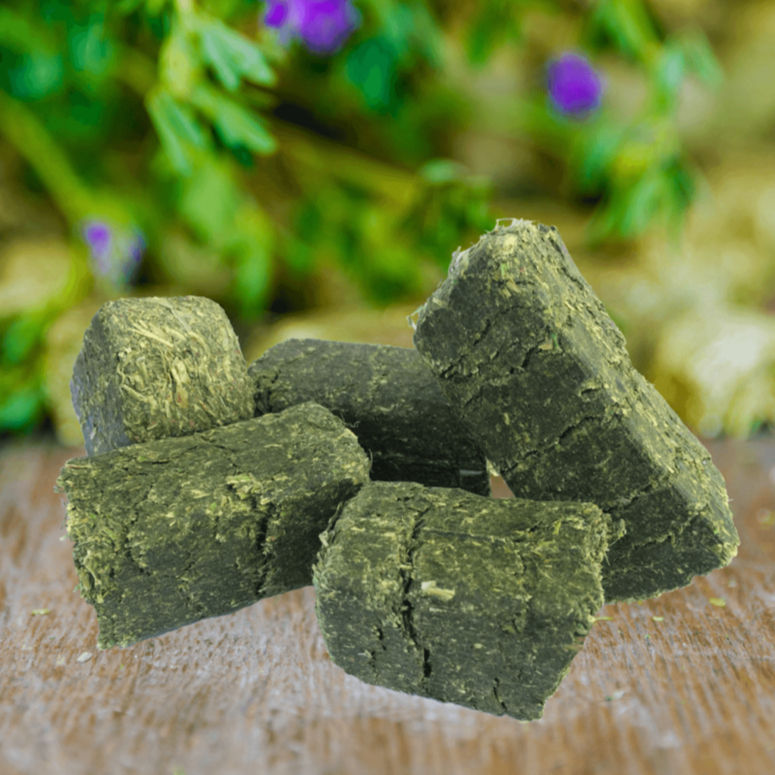
Alfalfa cubes are a compact, nutrient-dense form of livestock feed. They’re made by compressing chopped alfalfa into cube form, offering protein-rich forage in a cleaner, more controlled format.
These cubes are ideal for horses, dairy cattle, and goats with higher nutritional demands. The higher protein and calcium content make alfalfa cubes a powerful addition to any livestock feed plan.
Alfalfa cubes are also easy to transport and store. Their long shelf life and stackable packaging make them a go-to livestock feed for remote locations or operations with limited space.
Soaking cubes helps animals with dental issues and improves hydration. This makes alfalfa cubes a very versatile and adaptable livestock feed option, especially during extreme temperatures.
One of the biggest benefits of alfalfa cubes is consistency. Every cube delivers the same level of nutrition, which helps maintain balance across your herd or flock.
RR Ranch supplies clean, premium alfalfa cubes—ready to support your livestock with high-performance feed they’ll love.
Feed Pellets: Precision and Performance
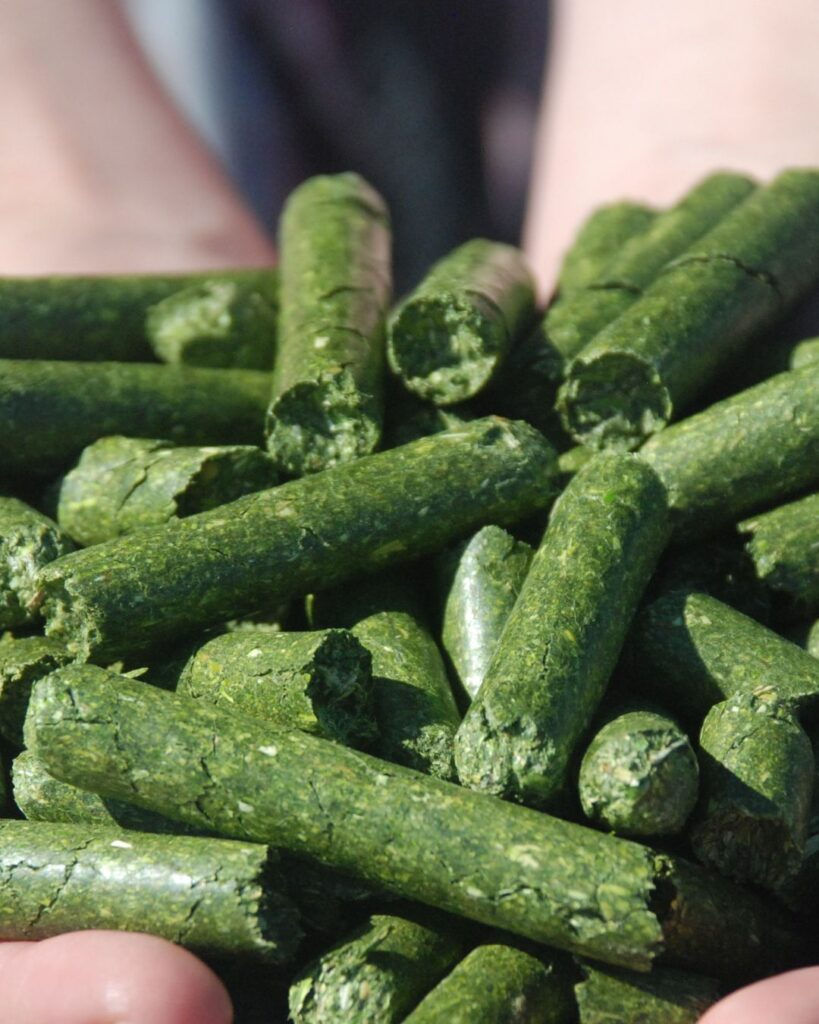
Feed pellets are one of the most modern and effective forms of livestock feed. Pellets are produced by compressing a balanced mix of grains, forages, vitamins, and minerals into small, uniform pieces.
This uniformity ensures that every bite of livestock feed contains all the nutrients your animals need. That’s especially helpful in group-feeding situations where precision matters.
Livestock feed pellets are low in dust and easy to portion. Whether you feed by scoop, trough, or automatic feeder, pellets simplify the feeding process and reduce waste.
These pellets are available in various formulations to meet different needs—maintenance, growth, lactation, or finishing. This makes them a highly adaptable livestock feed for nearly any production goal.
They also reduce the risk of feed sorting, which is common with loose grains or textured feeds. Your animals eat all the ingredients, not just the ones they like.
RR Ranch offers species-specific livestock feed pellets tailored for cattle, goats, sheep, and horses—all sourced with Utah's farming community in mind.
Balancing Forage and Concentrates
A balanced diet means providing both forages and concentrates in the right proportions. Livestock feed must support digestion, energy levels, and protein needs without causing metabolic imbalances.
Forages like hay or pasture are foundational in any livestock feed plan. They support gut function and ensure the slow digestion required by ruminants.
Concentrates, such as grains or pellets, are energy-dense and ideal for high-output animals like dairy cows or meat goats. But too much concentrate without adequate fiber can cause digestive issues. Britannica talks about the specific things that are used in livestock pellets in this article.
Livestock feed should always be adjusted seasonally and based on life stage. Lactating animals, for example, need more protein and energy, while older animals may need more fiber and fewer calories.
Mixing hay with alfalfa cubes or supplementing with feed pellets is a smart way to balance nutrition. This creates a more complete livestock feed strategy with fewer health risks.
RR Ranch is happy to help you create balanced livestock feed plans based on your specific herd, operation size, and production goals.
Hydration and Feed Intake
Hydration is just as important as nutrition in livestock care. Livestock feed can play a surprising role in water intake, especially when soaked or offered in moist forms.
Soaking alfalfa cubes or pellets can help animals that struggle with dehydration, especially in hot Utah summers or during illness. It turns dry feed into a palatable mash that encourages eating and drinking.
Livestock feed with high salt or protein content can increase water needs, so it’s essential to monitor intake and offer fresh water at all times.

Animals that don’t drink enough may experience reduced feed intake, which leads to weight loss and poor performance. Hydration and livestock feed are closely connected in maintaining health.
Offering moist feeds or feeding after water availability can help encourage better feeding behavior. The timing and texture of livestock feed can make a big difference in consumption.
RR Ranch provides livestock feed options that can be soaked or fed dry—giving you flexibility to support hydration and digestion all year long.
Feeding by Life Stage
Every life stage requires a different nutritional strategy. Young, growing animals need more protein and energy, while mature animals may require maintenance-level nutrition with lower caloric content.
Calves, lambs, and kids benefit from highly digestible livestock feed that supports growth, bone development, and immune strength. Pelleted starters or soaked alfalfa cubes are often recommended.
Pregnant and lactating animals require a livestock feed rich in calcium, phosphorus, and protein to support fetal development and milk production. Alfalfa-based feeds and fortified pellets are ideal.
For senior animals, digestibility becomes key. Soaked feeds and softer pellets help maintain weight and reduce strain on aging digestive systems. Livestock feed must also account for changes in metabolism and mobility.
Customizing livestock feed by life stage helps prevent underfeeding, overfeeding, and nutrient deficiencies. It also ensures animals reach their full potential in health and productivity.
RR Ranch offers age-specific livestock feed options designed to support every phase of your animals’ development—right from birth to retirement.
Species-Specific Nutrition
Different species require different feed formulations. What works for cattle may not work for goats or sheep—and vice versa. Species-specific livestock feed ensures your animals receive exactly what they need.
Cattle require livestock feed high in fiber and moderate protein, especially when raising beef animals. Dairy cows, on the other hand, need more energy and calcium to support milk production.
Sheep are sensitive to copper, so their livestock feed must be carefully formulated to avoid toxicity. Goats, particularly dairy breeds, need high-protein feed that supports production and lean muscle.
Horses require long-stemmed fiber to maintain gut health. Their livestock feed often includes hay, supplemented by alfalfa cubes and controlled starch pellets.
RR Ranch carries livestock feed options tailored to cattle, goats, sheep, and horses. Our team can help you match your animals with the right feed based on breed, age, and purpose.
Supplements and Additives
Sometimes, even the best livestock feed needs a boost. Supplements and additives help address specific needs such as reproductive health, hoof strength, or immune support.
Common additives include minerals like selenium, magnesium, and zinc. Others may contain probiotics, yeast cultures, or vitamins that enhance digestion and improve nutrient absorption.
Livestock feed pellets can be fortified with these nutrients, simplifying delivery and ensuring every animal receives its share. This is especially effective in group feeding situations.

Salt and mineral blocks are often used alongside livestock feed to encourage natural intake, but they can’t replace the precision of a properly supplemented ration.
RR Ranch offers both fortified livestock feed pellets and standalone supplements to help you address seasonal or animal-specific nutritional gaps.
Your livestock feed plan should adapt over time. RR Ranch is here to help you evaluate and adjust your feeding strategy with supplements that work.
Testing and Monitoring Feed Quality
Not all feed is created equal. Nutritional values can vary from one bale, batch, or brand to the next. That’s why testing and monitoring livestock feed is essential for maintaining animal performance.
Hay, for example, can look green and clean but still be low in protein or too high in potassium. Only a forage test can give you the exact nutrient breakdown. This ensures your livestock feed is doing its job.
Grains and pellets also benefit from regular monitoring. Mold, nutrient degradation, or improper storage can affect quality—and by extension, animal health.
RR Ranch works with local labs to test livestock feed and ensure every product we sell meets rigorous quality standards. We also help customers interpret their own forage test results.
When in doubt, test it out. High-quality livestock feed is the foundation of herd health, and testing gives you confidence that you’re feeding right.
Adjusting Feed with the Seasons
Livestock feed needs to change with the weather. Animals require more energy in cold weather, more hydration during heat waves, and extra nutrients during seasonal transitions.
In winter, livestock feed must deliver more calories to maintain body heat. This may mean adding pellets or cubes to a hay-based diet. Energy-dense feeds help animals stay warm and maintain condition.
Spring and fall often bring pasture changes. Animals transitioning from dry hay to fresh grass—or vice versa—benefit from gradual adjustments and supplemental livestock feed.
During hot Utah summers, livestock may reduce intake. Offering soaked alfalfa cubes or moist pellets can encourage eating and hydration at the same time.
RR Ranch carries a year-round supply of livestock feed and provides seasonal feeding tips to help your herd or flock adapt smoothly.
Adapting your livestock feed program ensures health, productivity, and resilience—no matter the season.
Common Feeding Mistakes to Avoid
Even with the best intentions, it’s easy to make mistakes when planning livestock feed. Overfeeding, underfeeding, or providing the wrong balance of nutrients can lead to serious health issues.
One of the most common mistakes is feeding too much grain and not enough fiber. This can cause acidosis or bloat, especially in ruminants like cattle, goats, and sheep. Balanced livestock feed should always include adequate roughage.
Another mistake is failing to adapt livestock feed to an animal’s age, workload, or stage of production. A maintenance diet won’t support lactating animals, and a high-calorie feed could lead to obesity in idle stock.

Poor storage can also reduce feed quality. Moldy hay or damp pellets can harbor toxins that affect animal health. Always store your livestock feed in clean, dry conditions to maintain its safety and effectiveness.
Finally, skipping minerals or trace nutrients is a major oversight. Even if your forage looks good, it may lack essential elements like selenium or zinc. These gaps can be filled with fortified livestock feed or supplements.
RR Ranch helps customers avoid these pitfalls by offering expert advice and high-quality livestock feed that’s designed for both performance and safety.
Matching Feed to Farm Size
The size of your operation plays a big role in determining your ideal livestock feed strategy. A hobby farm may prioritize convenience, while a commercial outfit will need efficiency and cost control.
Smaller farms often benefit from bagged livestock feed—easy to carry, store, and ration without needing special equipment. Pellets and alfalfa cubes are great choices for these settings.

Larger operations, on the other hand, may require bulk feed delivery and high-volume hay storage. They often benefit from mixed feeding strategies that include round bales, fortified pellets, and seasonal forages.
Feeding multiple species or age groups adds complexity, but with the right livestock feed combinations, it becomes manageable. A balanced program saves money and labor over time.
RR Ranch offers livestock feed solutions for all farm sizes—from backyard herds to multi-acre operations. Our goal is to match your resources and goals with the right feed products.
No matter how big or small your farm, we have the livestock feed to keep your animals thriving.
Feed Efficiency and Cost Management
Feeding livestock is one of the biggest ongoing costs on any farm. That’s why improving feed efficiency is a smart strategy for long-term sustainability and profitability.
Pellets and alfalfa cubes offer more precise nutrient delivery, which improves feed-to-gain ratios. Animals grow faster on less feed when it’s balanced and easy to digest.
Reducing waste is another way to improve feed efficiency. Loose hay often gets trampled or blown away, but pellets and cubes are consumed more completely. This lowers cost per pound of gain.
Monitoring feed intake and body condition helps prevent overfeeding, which wastes feed and increases health risks. Matching livestock feed to actual needs keeps costs down and results up.
RR Ranch provides livestock feed that’s priced fairly and built for performance. We also offer guidance to help you get more value out of every dollar spent on feed.
Feeding smart is just as important as feeding well—and we’re here to help you do both.
Livestock Feed and Sustainability
Sustainability in agriculture includes using resources wisely—and that starts with livestock feed. Choosing efficient, regionally sourced feed reduces environmental impact and supports local economies.
Pellets and cubes are a more sustainable option in many ways. They require less space to store and transport, have longer shelf lives, and produce less waste than loose forage.
Using locally grown hay and grains in your livestock feed helps reduce carbon emissions associated with long-distance shipping. It also supports nearby farms and keeps your money in the community.
Feed efficiency also contributes to sustainability. Healthier animals that convert feed better require fewer resources to raise. That means less impact per pound of milk or meat produced.
At RR Ranch, we’re committed to supplying livestock feed that supports both your operation and the planet. It’s good for your animals—and good for Utah agriculture.
Tools and Equipment for Efficient Feeding
The right tools make livestock feeding faster, safer, and more efficient. Depending on your feed type, you may need specific equipment to maximize your feeding program.
Hay feeders reduce waste by keeping bales off the ground and contained. They’re essential for feeding hay-based livestock feed to large groups.

Pellet and cube feeders are ideal for portioning small or consistent rations. Automatic dispensers, troughs, or buckets all work well depending on your scale and species.
Scales, scoops, and feed carts help ensure accurate livestock feed portions and cut down on repetitive labor. These tools are especially useful in rotational or individual feeding systems.
Water tanks and heated buckets also play a role in feeding. Many types of livestock feed, especially pellets and cubes, require ample fresh water for optimal digestion.
RR Ranch not only provides high-quality livestock feed—we also help our customers choose the right tools for feeding success.
Reading Feed Labels and Understanding Ingredients
Understanding livestock feed labels is crucial to making informed choices. Labels tell you about protein content, fiber levels, fat, vitamins, minerals, and more.
Look for guaranteed analysis to compare different feeds. This shows the minimum or maximum percentage of key nutrients and helps you match livestock feed to your animals’ needs.
Ingredients should be clearly listed and free from unnecessary fillers or unknown by-products. High-quality livestock feed starts with clean, digestible components.
Fortified feeds should include a breakdown of added nutrients like vitamin A, zinc, selenium, or copper. This is especially important for breeding stock or performance animals.
RR Ranch is transparent about all our feed products. We only stock livestock feed that we trust—and we’re happy to explain what’s in every bag or bale.
If you’re not sure how to read a feed tag, just ask—we’re here to help you feed with confidence.
Why Buy Your Livestock Feed Locally
Buying livestock feed from a local supplier like RR Ranch brings real advantages. You get fresh feed, faster service, and direct support from people who understand Utah agriculture.
Local livestock feed hasn’t traveled long distances or sat in a warehouse for months. That means better nutrient retention and lower risk of spoilage or degradation.
You also build relationships with experts who care about your farm’s success. At RR Ranch, we help customers plan seasonal transitions, balance rations, and troubleshoot feeding challenges.
Supporting a local feed store also keeps dollars in the community and supports jobs in agriculture. It’s a win for your herd, your wallet, and your hometown.
We proudly serve ranchers and farmers across Erda, Tooele County, and beyond with dependable livestock feed you can trust—because your livestock deserve the best.
Shop Local for Premium Livestock Feed at RR Ranch
Whether you raise beef cattle, dairy goats, backyard sheep, or performance horses, the right livestock feed is the foundation of health and productivity. And there’s no better place to find it than RR Ranch in Erda, Utah.

We offer top-quality hay bales, alfalfa cubes, and livestock feed pellets tailored for every animal and operation. Our products are locally sourced, tested for quality, and backed by real experience. Need help building a feeding plan? Our team is here to guide you—from pasture to trough.
Visit RR Ranch in Erda today or give us a call to get your livestock on the feed they deserve.
Raise healthier animals. Waste less feed. Support your local ranch. Feed smart—with RR Ranch.


Comments