
Utah Hay Bales for Sale Near Me for Goats, Cows, and Chickens

Introduction to Hay Bales for Livestock in Utah
Finding the right hay bales for sale near me can feel overwhelming—especially if you're feeding multiple types of livestock like goats, cows, and chickens. Utah's unique climate and varied geography offer both opportunities and challenges for sourcing high-quality hay locally.
Different animals have different nutritional needs, and not all hay is created equal. The local feed supply may include alfalfa, grass hay, and mixed bales—each with specific benefits. That’s why it's crucial to understand what you're feeding and why.
The phrase hay bales for sale near me should connect you with regional farmers, suppliers, or feed stores who offer quality, freshness, and proper storage conditions. Poor-quality hay can lead to illness or waste, impacting your animals and your wallet.
In this blog, we’ll break down the best hay options for goats, cows, and chickens, and guide you through purchasing, storing, and evaluating hay in Utah. By the end, you’ll feel confident buying hay that suits your operation.
Utah producers take pride in sun-cured, nutrient-rich forage—so when you search for hay bales for sale near me, know you’re likely supporting a family farm nearby.
Understanding Alfalfa Hay for Goats
Alfalfa is one of the most commonly used forages for goats in Utah. It's high in protein, calcium, and digestible fiber, making it ideal for lactating does or growing kids.

When you look up hay bales for sale near me, ask whether the alfalfa is first, second, or third cutting. Each has different stem-to-leaf ratios and protein levels. Second cutting is generally preferred for dairy goats due to its leafiness and balanced nutrition.
Goats are selective eaters. They often waste stemmy hay, so choosing soft, leafy alfalfa bales will reduce waste and improve nutrient intake. Ask for a visual inspection or lab test if available.
Alfalfa may be too rich for wethers or non-lactating goats, so it's sometimes mixed with grass hay for a more moderate diet. This blend can often be found when searching hay bales for sale near me in goat-focused listings.
Buying high-quality alfalfa hay locally ensures you get fresh, mold-free feed that hasn’t been trucked in from another climate—helping goats thrive and perform well.
Best Hay for Beef and Dairy Cows
Cows have different needs depending on whether they're beef or dairy. Dairy cows need high energy and protein, while beef cows on pasture may need supplemental fiber during winter or drought.

When researching hay bales for sale near me, consider whether you’re feeding a high-production animal or maintaining a pasture-based beef cow. Alfalfa, grass, or oat hay may all play roles.
Alfalfa hay is excellent for dairy cattle. It offers protein and calcium, supporting milk production. For beef cows, grass hay provides bulk and fiber without overloading energy needs.
Hay quality affects rumen function. Poor hay can lead to bloat, weight loss, or acidosis. Always inspect bales for color, odor, and leafiness before buying.
Local Utah hay often includes orchardgrass, timothy, and alfalfa—all staples for cow nutrition. When you choose hay bales for sale near me, ask about moisture levels, cutting stage, and mold content to protect herd health.
Do Chickens Eat Hay? What You Should Know
Chickens don’t eat hay like ruminants do, but hay plays an important role in bedding, enrichment, and supplemental feeding. It also helps retain warmth in coops during Utah’s winters.

When looking for hay bales for sale near me, consider soft-grass hay with minimal dust. This can be used in nesting boxes and scratched around for insects and seeds.
Chickens may peck at tender grass stems or seeds in the hay, gaining a few extra nutrients, especially in winter when forage is unavailable. Avoid moldy hay, which can introduce respiratory problems.
Alfalfa is sometimes chopped and added to scratch feeds for added calcium and protein. If feeding, opt for leafier blends or commercially chopped alfalfa products designed for poultry.
So while chickens aren't your primary hay consumers, the search for hay bales for sale near me should still include poultry-safe, low-dust options for bedding and light enrichment.
Grass Hay vs. Alfalfa: What’s the Difference?
One of the most common decisions when evaluating hay bales for sale near me is choosing between grass hay and alfalfa. Understanding their differences helps ensure you're feeding appropriately.
Grass hay—such as orchardgrass, timothy, or brome—is lower in protein and calcium. It's ideal for adult goats, beef cows, and non-lactating animals needing fiber and bulk without excess nutrients.
Alfalfa is richer, leafier, and higher in energy. It’s perfect for lactating animals or those needing a nutritional boost. However, it can cause issues like bloat or kidney stress if overfed.
Blended hay bales, often called "alfalfa-grass mix," offer a happy medium and are commonly found when you search for hay bales for sale near me—especially from small Utah farms.
The best choice depends on species, age, and life stage. Analyze hay types before buying and ask local sellers about nutritional testing.
This article from the University of Massachusetts Amherst provides additional information on what is included in a properly balanced diet for livestock.
With Utah's mix of microclimates, both hay types are widely grown. Ask about soil health and irrigation methods to choose the cleanest, best forage.
How to Store Hay Properly in Utah’s Climate
Utah’s dry summers and snowy winters present both advantages and challenges when storing hay. Proper storage ensures your search for hay bales for sale near me results in long-lasting, quality feed.

Store hay on pallets or gravel to avoid moisture wicking from the ground. Tarps or hay barns help protect from rain and UV damage. Even though Utah is dry, uncovered hay can bleach, lose nutrients, or become dusty.
Cows and goats tolerate dry hay, but chickens are highly sensitive to mold. Any mustiness should be a red flag when inspecting hay bales for sale near me listings.
If storing outside, choose tightly bound square or round bales and double-tarp them. Stack bales with space between rows for airflow.
Ask local hay sellers about their storage methods. Hay kept in covered, ventilated barns will maintain quality longer and be a better investment for your livestock.
Finding Local Hay Growers in Utah
When searching hay bales for sale near me, the best place to start is by looking for local hay producers or small farms. Many advertise on farm boards, Facebook Marketplace, or feed store bulletin boards.
Buying directly from the source means you can ask questions about how the hay was grown, cut, and stored. It also cuts down on transportation costs and ensures fresher bales.
Utah has a strong tradition of small-scale hay growers who prioritize clean, sun-cured forage. Many sell alfalfa, timothy, or orchardgrass by the ton or by the bale.
Visiting a hay field lets you inspect hay quality before purchase—something that’s impossible when buying from a feed chain store.
Supporting local growers with your hay bales for sale near me search helps build relationships, get consistent supply, and invest in your community.
How Many Hay Bales You’ll Need Per Animal
Determining how many hay bales to purchase depends on animal type, size, and season. Miscalculating can result in winter shortages or wasted feed in summer.
Goats eat roughly 2–4 pounds of hay daily. A 60-pound bale will feed one goat for 15–30 days, depending on supplements. Cows need far more—20–30 pounds daily, meaning one bale might last just 2–3 days.
Chickens don’t rely on hay for nutrition but may need small amounts for bedding or foraging enrichment. One bale could last a small backyard flock all winter.
Your hay bales for sale near me decision should factor in your storage capacity, delivery schedule, and number of animals. Buying in bulk may save money, but only if you can store it safely.
Ask hay suppliers for help calculating needs—they often provide feeding guides based on animal type and bale size.
Checking Hay for Mold, Dust, and Weeds
Quality control is key in your search for hay bales for sale near me. Even well-baled hay can go bad during storage or transport.
When inspecting hay, look for rich green color, a sweet grassy smell, and minimal dust. Avoid hay that smells musty, is yellow or brown inside, or feels damp.
Open a few flakes from the center of the bale—mold often hides deep inside. Moldy hay can cause respiratory distress, colic, or miscarriage in livestock.
Weed-heavy hay is lower in nutrition and may introduce invasive plants to your pasture or garden. Stick with clean, weed-free options whenever possible.
Don’t hesitate to request a test report or inspection before committing to a large load of hay bales for sale near me—your animals' health depends on it.
Organic and Non-GMO Hay in Utah
For homesteaders and organic farmers, finding non-GMO, pesticide-free hay bales for sale near me is a growing priority. Luckily, many Utah farms offer this option.

Organic hay is grown without chemical fertilizers, herbicides, or GM seeds. While slightly more expensive, it’s ideal for small ruminants or egg-laying poultry where feed quality directly affects product quality.
Look for certified organic labels or farms that practice natural hay production, even if they aren’t officially certified.
If organic is important to your buyers or customers, sourcing verified non-GMO hay can enhance your brand, improve animal health, and reduce chemical exposure.
Whether it’s alfalfa for goats or grass hay for cows, Utah’s growing market for organic hay bales for sale near me offers clean, sustainable alternatives.
Seasonal Buying Tips for Utah Hay
Timing your purchase matters. The best time to find hay bales for sale near me in Utah is shortly after the first and second cuttings, usually from late May through July.
Prices are generally lower during peak harvest months. Waiting too long into fall or winter often results in reduced availability and higher costs due to demand.
If you have enough storage, buying in bulk after the second cutting can provide your livestock with year-round supply and minimize risks of running out mid-winter.
Some hay producers offer pre-orders, early-buyer discounts, or delivery services. Ask during your initial contact to maximize savings and convenience.
Strategically planning when and how you buy ensures you get the best quality hay and value when searching hay bales for sale near me in Utah’s changing market.
Hay Bale Types: Round vs. Square
When browsing hay bales for sale near me, you’ll likely come across two main options: round bales and small square bales. Each has its pros and cons depending on livestock type and operation size.
Small square bales are easier to handle manually, ideal for small farms and backyard flocks. They’re also more space-efficient for poultry and goats that require precise feeding.
Round bales are typically more affordable per ton and are useful for large herds. However, they require tractors to move and need better protection from weather if stored outdoors.
Square bales are generally cleaner and easier to portion, reducing waste. They’re often the go-to choice for chickens and goats due to their manageable size.
Evaluate your equipment, storage, and feeding habits before choosing which type suits your hay bales for sale near me purchase best.
Hay Bales as Bedding and Mulch
While hay is mainly used for feed, many Utah homesteaders also use hay for bedding, composting, and even garden mulch.
For chickens and goats, hay creates soft, absorbent bedding that controls odors and encourages natural foraging. Just be sure it’s clean and mold-free.
Used hay bedding can be composted to enrich soil or used in no-dig gardening methods.
Some gardeners even seek out hay bales for sale near me specifically for permaculture uses.
Avoid using moldy or dusty hay near animals or plants. Stick with clean bales to avoid introducing pests or disease.
Buying dual-purpose hay supports sustainable farming practices and maximizes value from every bale in your barn.
What to Ask Your Hay Supplier when Searching for "Hay Bales for Sale Near Me"
To get the most from your hay bales for sale near me search, prepare a few key questions for your supplier. Doing so protects your livestock and your budget.
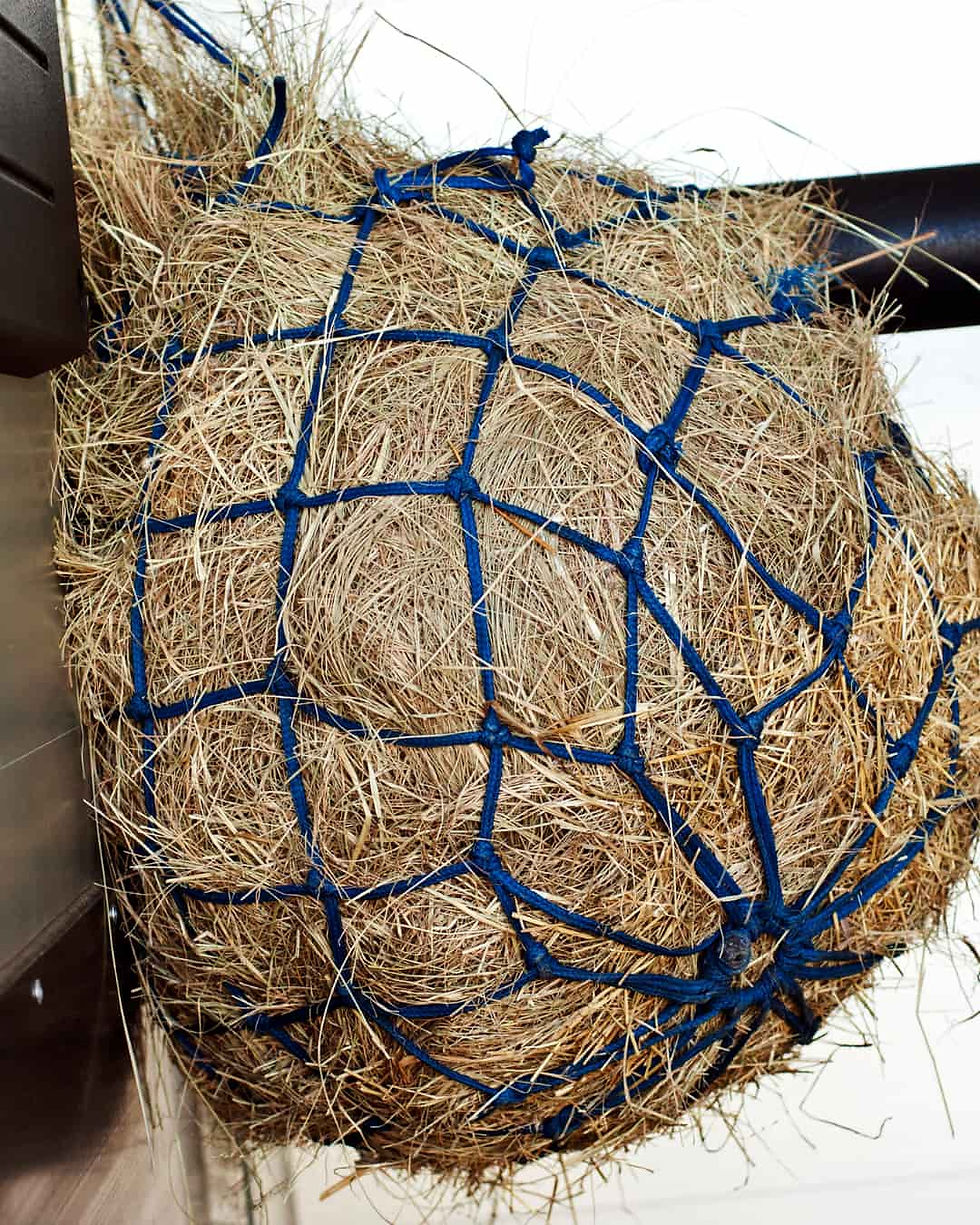
Ask about the hay’s cutting date, storage method, moisture content, and whether it was tested for nutrients or contaminants. Inquire if delivery is available and whether they offer bulk pricing.
If you’re buying for different animals, ask whether the hay is suitable for all species or if mixing is required. A trusted hay supplier should offer guidance for goats, cows, and chickens.
Good suppliers will welcome your questions. Building a relationship helps ensure reliable service and access to the best hay when demand spikes.
Your animals' health depends on good forage. Take the time to vet your options when searching for hay bales for sale near me.
Supporting Local Ranches and Farms
When you buy hay bales for sale near me from local Utah growers, you’re supporting small businesses and sustainable agriculture practices in your community.
Local hay tends to be fresher, less expensive, and better suited to your regional climate than hay shipped from out of state.
Plus, you get to build a trusted relationship with the grower—often benefiting from flexible pickup times, early access to the next harvest, and better-quality control.
Supporting local ranches also boosts Utah’s rural economy and helps preserve agricultural land that might otherwise be developed.
Choosing local isn't just practical—it's a meaningful way to ensure healthy livestock, dependable feed sources, and thriving farms for generations to come.
Buy the Right Hay, Close to Home
When you search for hay bales for sale near me, you're doing more than sourcing animal feed—you're choosing health, quality, and sustainability. Whether you’re feeding goats, cows, or chickens, the right hay makes all the difference.
From alfalfa’s rich nutrients to grass hay’s fiber benefits, Utah offers diverse options that meet your livestock's unique needs. Asking the right questions and buying from local growers ensures fresher, cleaner, and more affordable bales.
Make hay buying part of your animal care strategy, not just a seasonal chore. Know what your animals need and build relationships with reliable suppliers in your region.
If you're ready to upgrade your feed program with high-quality hay, start local. Explore Utah’s hay markets and support nearby farmers.
Because when you care for your animals, it starts with what’s under their hooves—and in their feeders.

Feed with Confidence—Choose Rockin Rafter Ranch
When you’re searching for top-quality hay bales for sale near me, trust Rockin Rafter Ranch to deliver the nutrition your goats, cows, and chickens deserve.
Locally grown in Utah and sun-cured for maximum freshness, our hay is clean, consistent, and backed by generations of ranching expertise.
Whether you need premium alfalfa or versatile grass blends, we’ve got you covered.
Visit our website today and experience the difference of feeding your animals the best from a ranch that truly cares.
Comments