
Cattle Feed: Alfalfa Cubes vs Pellets
When it comes to feeding cattle efficiently and effectively, alfalfa is one of the most trusted forages in the livestock industry. But choosing between alfalfa cubes vs pellets can leave many producers wondering which form delivers better value and results. This article breaks down the pros, cons, and key differences of alfalfa cubes for cattle and alfalfa cubes for cows, so you can make the best decision for your herd.
Alfalfa Cubes vs Pellets as Forage Sources
Alfalfa is a high-protein legume hay known for its digestibility and nutritional profile. It’s widely used in cattle operations for both beef and dairy production. Choosing between alfalfa cubes vs pellets involves understanding how alfalfa is processed and delivered.
Whether you’re feeding alfalfa cubes for cattle or offering pellets to cows, the base material is the same: high-quality alfalfa. It’s cut, dried, and processed into different forms for ease of handling and feeding.
Alfalfa provides excellent energy and protein levels, making it ideal for growing calves, lactating cows, and feedlot animals. It also supports rumen health with its fiber content.
When comparing alfalfa cubes vs pellets, the difference lies in size, density, and the way cattle consume the feed—not the underlying nutritional quality.
For any operation looking at alfalfa cubes for cows, understanding the forage’s core benefits is step one in optimizing performance and productivity.
What Are Alfalfa Cubes?

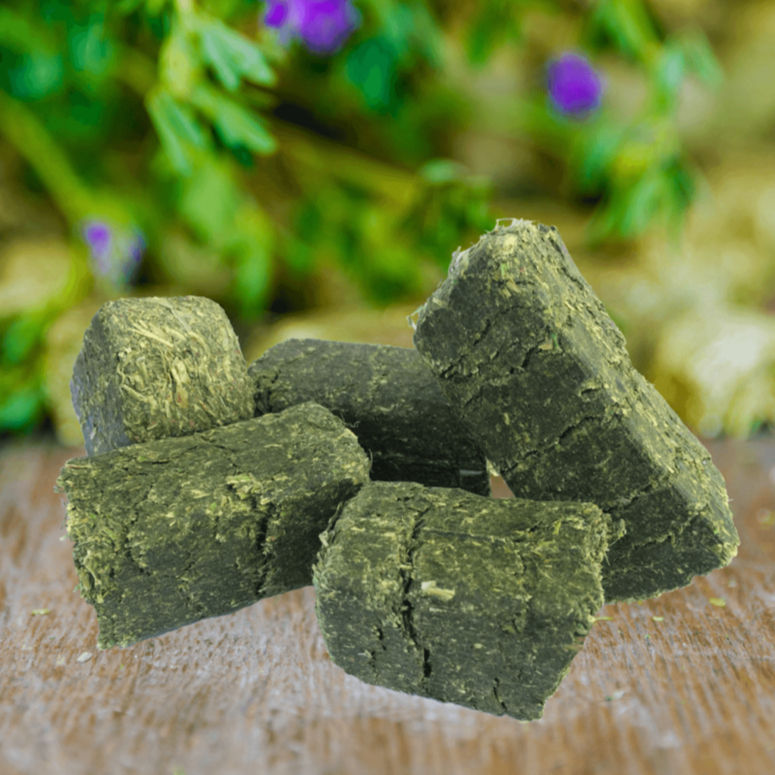
Alfalfa cubes are compressed blocks of chopped alfalfa hay, typically measuring about 1 to 1.5 inches in diameter. These are often used when long-stem hay is not available or convenient.
Alfalfa cubes for cattle are easy to store, handle, and transport. They’re especially useful in operations that prioritize bulk feeding with less waste.
When evaluating alfalfa cubes vs pellets, cubes offer a size and structure that promote natural chewing behaviors in cows, which can be beneficial for rumen function.
Many producers like alfalfa cubes for cows because they visually resemble traditional hay and allow for easier observation of feeding behavior.
The structured texture of cubes makes them an ideal choice for operations wanting to bridge the gap between loose hay and more processed feeds.
What Are Alfalfa Pellets?
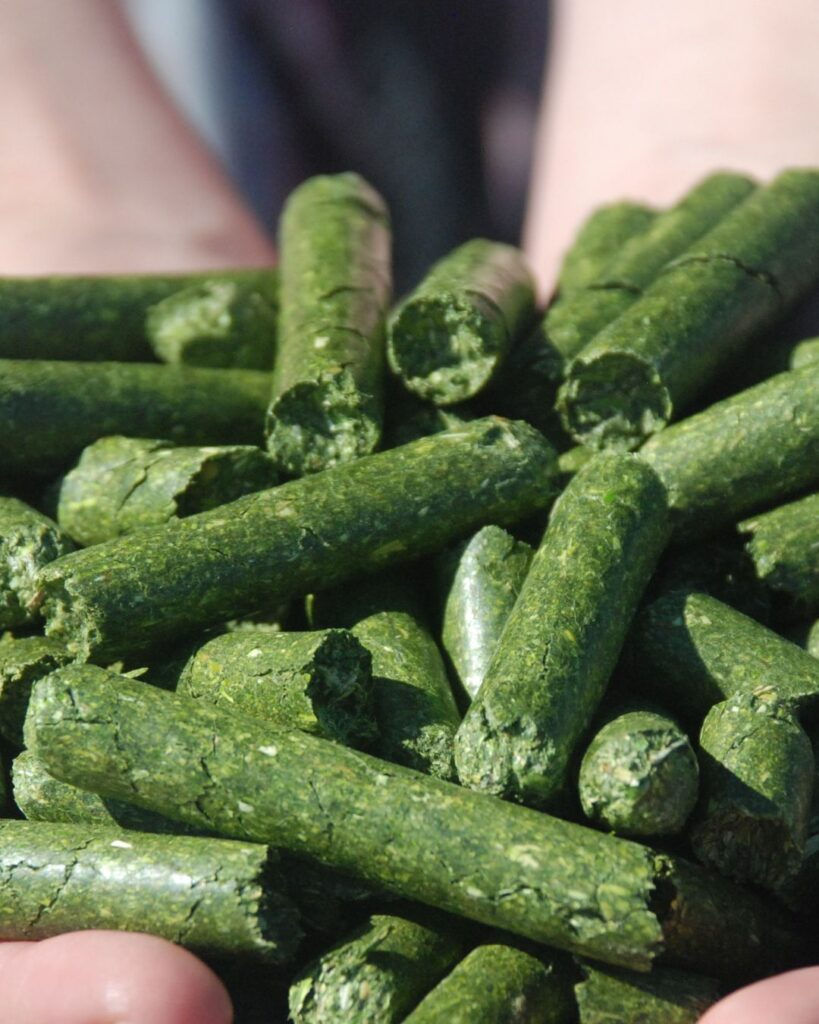
Alfalfa pellets are finely ground alfalfa compressed into smaller, uniform cylinders—usually about 1/4 inch in diameter. They are denser and less bulky than cubes.
When comparing alfalfa cubes vs pellets, pellets are often favored for mixing with grain or delivering precise rations. They’re ideal for controlled feeding systems.
Alfalfa cubes for cattle offer more fiber length than pellets, while pellets provide more compact storage and easier portion control.
Alfalfa cubes for cows may be better for natural rumination, but pellets are excellent for animals with dental issues or for blending with supplements.
Pellets are an excellent option when space, automation, or blending requirements make traditional hay or cubes less practical.
Nutritional Comparison: Cubes vs Pellets
One of the most important factors in deciding between alfalfa cubes vs pellets is the nutritional composition. Generally, both forms contain similar amounts of protein, calcium, fiber, and digestible energy.
Alfalfa cubes for cattle tend to retain more natural fiber length, which is beneficial for promoting chewing and saliva production—both important for rumen health. University of Nevada, Reno Extension says, “The largest percentage of nutrients (protein and energy) is contained in the leaves of alfalfa.”
Pellets, on the other hand, are slightly more processed and may lose a bit of fiber integrity. However, they’re easier to digest and ideal for young or senior cattle.
For producers focusing on alfalfa cubes for cows, especially in dairy herds, cubes provide fiber structure that supports rumination and milk production.
Nutritionally, alfalfa cubes vs pellets are almost identical—so the choice often comes down to management style and herd needs. Check out this article from Hudson Farmhouse for some visual comparisons of pellets and cubes.
Ease of Storage and Handling

When it comes to storage, alfalfa cubes vs pellets both offer advantages over traditional baled hay. They take up less space, are less dusty, and have longer shelf life when stored properly.
Alfalfa cubes for cattle are bulkier than pellets, requiring a bit more room for storage. However, they’re easier to feed in troughs without specialized equipment.
Pellets, being denser, can be stored in bins or hoppers and fed via automated systems. This can reduce labor and feeding time, especially in large-scale operations.
If you're feeding alfalfa cubes for cows, you might appreciate the simplicity of manual feeding without needing mixing systems or bins.
Whether storing cubes or pellets, keeping feed dry and rodent-free is essential for preserving quality and minimizing spoilage.
Feeding Behavior and Rumen Health
Feeding behavior is a major consideration in the alfalfa cubes vs pellets debate. Cattle are natural grazers and benefit from forages that encourage chewing.
Alfalfa cubes for cattle take longer to consume than pellets, which supports saliva production and helps buffer the rumen against acidosis.
Pellets are consumed more quickly and may not stimulate chewing as effectively, making them more suitable as a supplement rather than a total forage replacement.
For cows in dairy production, alfalfa cubes for cows help maintain healthy rumen pH and improve digestion through longer chewing time.
When choosing between alfalfa cubes vs pellets, consider the behavior and gut health of your herd—cubes may offer more advantages in this area.
Digestibility and Nutrient Absorption
Digestibility plays a crucial role in evaluating alfalfa cubes vs pellets. While both are derived from the same material, the processing level affects how the nutrients are broken down.
Alfalfa cubes for cattle retain more long-stem fiber, which improves fiber mat formation in the rumen. This supports better nutrient utilization over time.
Pellets, due to finer grinding, may be more rapidly fermented in the rumen. This can be beneficial for young calves or high-performing animals with higher energy demands.
In terms of alfalfa cubes for cows, especially during lactation, slower digestion of cubes provides steady energy release and fiber intake.
Both cubes and pellets offer excellent digestibility, but the form best suited for your operation depends on your cattle’s age, condition, and productivity level.
Feed Waste and Efficiency

Minimizing waste is a common goal in cattle operations. In this context, the comparison of alfalfa cubes vs pellets highlights practical feeding differences.
Alfalfa cubes for cattle can lead to some waste if fed on the ground or in open feeders, as animals may trample or sort them.
Pellets tend to produce less waste because they’re easily consumed and work well in troughs or bunk feeders—especially when mixed with other rations.
For ranchers feeding alfalfa cubes for cows, using a covered trough or slow-feed system can minimize waste and improve feed efficiency.
Cubes may perform better in environments with rough terrain or weather challenges, while pellets excel in more controlled feedlot or barn conditions.
When evaluating alfalfa cubes vs pellets, consider not just the cost per pound, but also how much feed your herd actually consumes.
Moisture and Soaking Considerations
In some cases, soaking is recommended for both cubes and pellets to prevent choke or improve palatability. This is especially important for senior animals or those with dental issues.
Alfalfa cubes for cattle should be soaked if there’s a risk of choke or when feeding calves transitioning from milk to solid food.
Pellets absorb water quickly and break down into mash, which can be useful for mixing medications, minerals, or supplements.
For alfalfa cubes for cows, soaking also helps increase moisture intake, which is useful during heat stress or lactation.
Understanding how each form interacts with water is another factor in choosing between alfalfa cubes vs pellets for your operation.
Cost Comparison

Cost is one of the most important practical factors in the alfalfa cubes vs pellets decision. Prices can fluctuate based on region, availability, and processing costs.
On average, alfalfa cubes for cattle are slightly more expensive per ton due to their larger size and lower density compared to pellets.
Pellets are generally more compact and may cost less to transport and store, making them more economical in high-volume operations.
However, feed efficiency and waste should be considered. Even if alfalfa cubes for cows cost more upfront, reduced health problems and better rumen support may offset the price.
Always evaluate total feeding cost—not just price per bag—when deciding alfalfa cubes vs pellets for your specific feeding goals.
Feeding Young Cattle
Young cattle have specific nutritional and physical requirements that can influence the choice between alfalfa cubes vs pellets.
Pellets are easier for calves to chew and digest, especially when transitioning off milk. They’re also easier to mix with calf starter rations or creep feeds.
Alfalfa cubes for cattle under six months old may need to be soaked or chopped further to prevent choking and ensure intake.
As calves mature, introducing cubes supports jaw development and prepares them for hay-based rations later on.
Ultimately, for growing stock, both forms are useful, but pellets are often favored in early stages of life for convenience and safety in feeding.
Feeding Lactating and Pregnant Cows
Reproductive cows have higher protein and energy demands, which makes forage choice critical. That’s where alfalfa cubes vs pellets needs closer evaluation.
Alfalfa cubes for cows during pregnancy or lactation offer steady fiber and nutrient delivery, helping prevent digestive issues that could impact fetal or milk health.
Pellets can be ideal for mixing with grains and minerals in total mixed rations (TMR), offering precision and consistency.
If you’re managing multiple cows in different stages of lactation or gestation, using both cubes and pellets strategically can cover all bases.
The balance of digestibility, fiber, and protein makes alfalfa cubes for cattle a solid option, while pellets serve well in high-production setups.
For optimal cow health and productivity, think of alfalfa cubes vs pellets not as rivals, but as tools you can use interchangeably.
Long-Term Storage and Shelf Life

Storage stability matters, especially when buying in bulk. When considering alfalfa cubes vs pellets, shelf life and spoilage resistance are often overlooked.
Both cubes and pellets, when stored in cool, dry conditions, can last several months. However, pellets are more sensitive to humidity due to their smaller particle size.
Alfalfa cubes for cattle are less prone to spoilage from slight moisture, making them more forgiving in variable climates or barn conditions.
Bulk bins, airtight containers, or dry sheds are ideal for extending feed shelf life, regardless of form.
When feeding alfalfa cubes for cows, long-term storage options may influence how frequently you need to restock or re-budget.
Integration with Feeding Systems
Whether you’re feeding by hand or using automated equipment, the form of feed matters. That’s why alfalfa cubes vs pellets comes down to how your system is set up.
Pellets are ideal for use in automatic feeders, TMR mixers, or grain bins. They flow easily and mix well with other feeds.
Alfalfa cubes for cattle are better suited for traditional bunk or trough feeding, especially in smaller or pasture-based operations.
For alfalfa cubes for cows in rotational grazing programs, cubes offer a less labor-intensive way to supplement forage without overfeeding.
Choose the form that aligns with your facility, labor capacity, and feeding frequency when comparing alfalfa cubes vs pellets.
Making the Right Choice for Your Herd

In the end, the best choice between alfalfa cubes vs pellets depends on your cattle’s age, purpose, infrastructure, and feeding goals.
For operations focused on rumen health, extended chewing, and minimal processing, alfalfa cubes for cattle are often ideal.
For those prioritizing space, labor efficiency, or precision blending, pellets offer unbeatable convenience and control.
Many producers use both formats, adapting feeding strategies to specific situations. Calves might get pellets, while lactating cows receive cubes.
To maximize herd health and operational efficiency, your decision on alfalfa cubes vs pellets should be based on science, observation, and cost-efficiency.
Cubes, Pellets, and Practical Feeding
Feeding cattle well requires more than just choosing a forage—it requires choosing the right form of that forage. When comparing alfalfa cubes vs pellets, both options offer excellent nutrition, but how and when you use them matters.
For herds focused on rumination, chewing, and consistent fiber intake, alfalfa cubes for cows can make a noticeable difference in digestion and health. Pellets, on the other hand, are ideal for mixing, measuring, and feeding in high-efficiency systems.
By understanding the strengths of alfalfa cubes for cattle, and recognizing when pellets serve best, you’ll be better equipped to balance nutrition, cost, and labor.
Whether you choose cubes, pellets, or a combination of both, your herd’s condition and performance will reflect your feeding decisions.
So next time you evaluate alfalfa cubes vs pellets, think beyond the price tag—think about how your choice fits your cattle, your system, and your success.

Give Your Herd the Nutrition They Deserve
Whether you're feeding beef cattle, dairy cows, or a growing herd, quality matters—and so does your source. At Rockin Rafter Ranch, we proudly produce high-quality, sun-cured alfalfa cubes designed for optimal nutrition, digestibility, and performance.
✔️ Clean. ✔️ Consistent. ✔️ Locally grown in Utah.
Explore our premium alfalfa cube products: Feed smarter. Shop local. Trust Rockin Rafter Ranch.
Comments