
How Much Does It Cost to Feed a Horse in 2025?

Feeding a horse in 2025 is more than just dropping hay into a stall—it’s an evolving investment shaped by market shifts, climate changes, and your horse’s unique needs. Whether you’re a new horse owner or planning for your next year of care, this guide covers everything you need to know about how much does it cost to feed a horse in today’s economic landscape.
Understanding the Basics of Horse Feeding Costs
When asking how much does it cost to feed a horse, the answer begins with understanding the daily dietary needs of the average horse. Horses typically consume 1.5–2.5% of their body weight in forage per day.
For a 1,000-pound horse, that’s 15–25 pounds of hay daily. Multiply that by 365 days, and the annual hay consumption alone can range from 5,500 to 9,000 pounds.
With hay prices in 2025 averaging between $0.15 to $0.25 per pound, your annual hay expense could fall between $825 and $2,250 per horse.
This base cost can vary widely depending on forage quality, regional availability, and whether you’re feeding alfalfa, timothy, orchard grass, or a mix. HorseOwner Central says, “From high-quality hay and grains to essential supplements and occasional treats, the cost of feeding a horse can vary widely based on a plethora of factors.”
No matter your budget or barn size, answering how much does it cost to feed a horse starts with forage—the foundation of every equine diet.
Hay Prices Across the U.S. in 2025

The cost of hay continues to fluctuate in 2025 due to inflation, fuel prices, and drought conditions in key farming regions. This significantly impacts how much does it cost to feed a horse year-round.
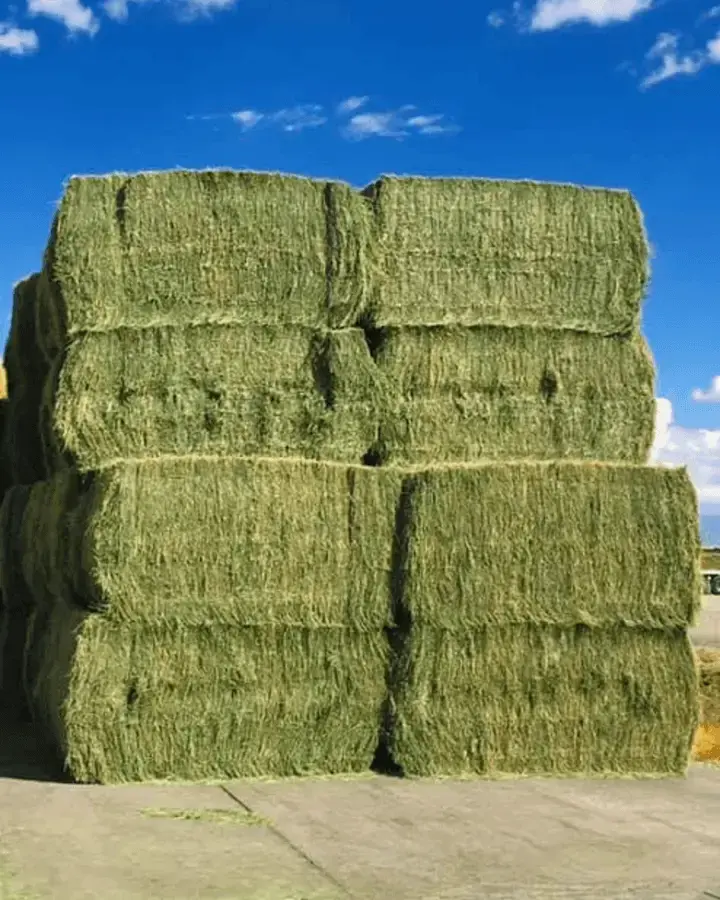
Alfalfa hay is currently averaging $240–$350 per ton nationwide, with grass hay ranging from $180 to $280 per ton depending on local supply.
Western states like Utah, Arizona, and Nevada are seeing higher hay costs due to water scarcity, while Midwest states benefit from more consistent hay production.
These differences can mean a $500–$1,000 swing in annual feeding expenses per horse, based solely on location.
If you're budgeting and wondering how much does it cost to feed a horse, be sure to research your region’s current forage market.
Comparing Hay Types: Alfalfa vs. Grass
Choosing the right hay type greatly affects how much does it cost to feed a horse in 2025. Alfalfa is richer and often pricier, while grass hay is lower in calories but more economical.
Alfalfa provides more protein and calcium per pound, which means you may feed less by weight—but it's generally more expensive per ton.
Grass hay, like timothy or orchard grass, tends to be cheaper and better suited for easy keepers or horses with metabolic concerns.
Blended hays (50/50 grass and alfalfa) are a popular option for balancing cost and nutrition. They’re often priced in between pure varieties.
Understanding which forage best suits your horse’s condition and workload helps you calculate how much does it cost to feed a horse with accuracy and efficiency.
The Cost of Grain and Concentrates

Hay alone isn’t always enough—especially for performance horses, broodmares, and growing foals. Grain or commercial concentrates are often needed to meet energy and protein needs.
In 2025, pelleted and textured feeds range from $18 to $30 per 50-pound bag. A horse eating 5 pounds per day would go through 3 bags per month.
That adds up to $54–$90 monthly, or $650–$1,080 annually per horse—just for grain. This significantly increases how much does it cost to feed a horse.
Some horses only need grain as a supplement; others rely on it as a core calorie source. Adjusting quantity based on workload can help control cost.
When budgeting how much does it cost to feed a horse, never overlook the impact of concentrated feed costs on your overall expenses.
Feed for Senior Horses
Older horses often require specialized diets, which affects how much does it cost to feed a horse in its later years. Dental issues and declining digestion often lead to reliance on senior feeds.
These feeds, designed to be complete and easy to chew, cost around $25–$35 per 50-pound bag in 2025. Many senior horses consume 6–10 pounds daily.
That translates to $90–$210 per month, or $1,100–$2,500 per year. These figures are often higher than feeding younger, healthy horses on hay alone.
Soaking feed or using hay cubes and beet pulp can add cost and time, but are necessary for senior horse health and nutrition.
If you're calculating how much does it cost to feed a horse past age 20, expect to spend more on feed quality, quantity, and supplements.
Supplements and Their Financial Impact

Most horses on quality hay and commercial feed don’t need many extras—but targeted supplements can improve health, performance, and longevity.
Popular supplements include biotin for hooves, joint support formulas, electrolytes, and digestive aids. Prices range from $20 to $100+ monthly.
Adding even one daily supplement can raise how much does it cost to feed a horse by $240 to $1,200 per year, depending on the product.
While some supplements are unnecessary, others fill crucial nutritional gaps—especially in forage-only diets or horses with specific conditions.
It's important to evaluate what’s essential and what’s not when determining how much does it cost to feed a horse using supplements.
Cost of Salt and Minerals
Every horse requires access to salt and minerals for optimal health, but these small additions can impact how much does it cost to feed a horse over time.
A 50-pound salt block typically costs $8–$15 and lasts several months per horse. Mineralized blocks may cost slightly more but offer better nutritional value.
Loose salt and custom mineral blends offer more precision but come at a premium, sometimes reaching $25–$40 per month per horse.
For horses without access to fortified grain, these added minerals become even more important to prevent deficiencies and long-term health issues.
Whether free-choice or top-dressed, salt and mineral products are small but vital line items in calculating how much does it cost to feed a horse annually.
Beet Pulp, Hay Cubes, and Fiber Replacements
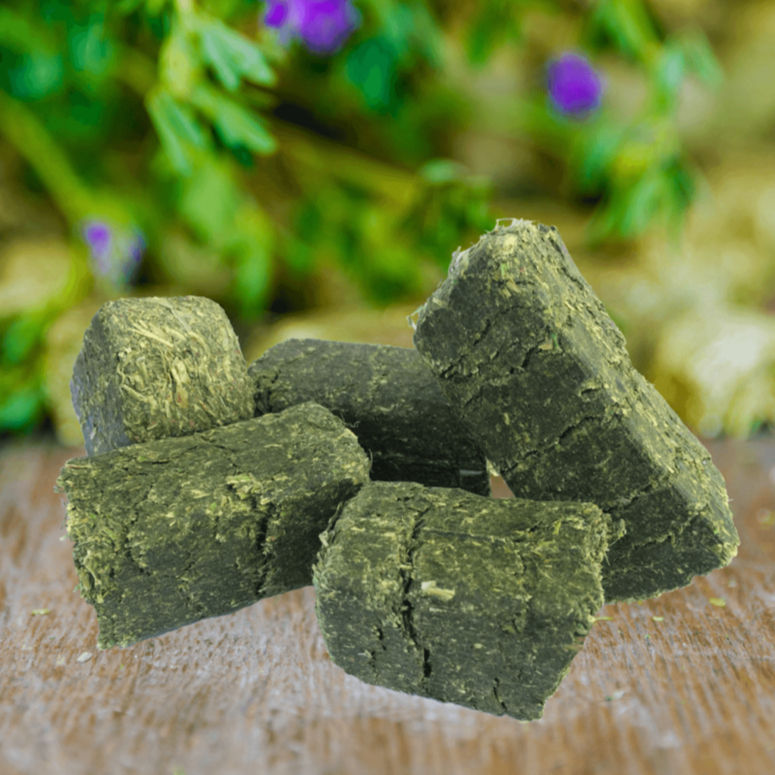
When hay quality is poor or dental issues arise, alternative fiber sources like beet pulp and hay cubes are often used.
Beet pulp pellets cost $20–$25 per 40-pound bag in 2025. If feeding 4 pounds per day, monthly costs can range from $60–$80.
Hay cubes—especially timothy or alfalfa varieties—can cost $15–$22 per 50-pound bag. Feeding 5–8 pounds daily pushes costs to $75–$130 monthly.
These products are excellent forage substitutes, but significantly raise how much does it cost to feed a horse when used consistently.
Owners often rely on these alternatives during winter, drought, or for senior horses—times when feeding flexibility is critical.
To truly answer how much does it cost to feed a horse, include all forage substitutes in your annual calculations.
Water: The Hidden Essential
While often overlooked, water access and quality directly influence feeding and digestion. And yes, they impact how much does it cost to feed a horse.
Most horses drink 5–15 gallons of water per day. Depending on your water source, this can slightly raise your utility bill—especially with heated waterers in winter.
Electricity costs for bucket heaters, tank de-icers, or heated automatic waterers can range from $10–$50 monthly per horse in colder climates.
Water testing and filtration may also be needed if your water is hard or high in minerals, especially in parts of Utah or the Southwest.
Though not the largest expense, water support systems contribute to the broader picture of how much does it cost to feed a horse in 2025.
Feeding Equipment and Storage

Feeding a horse safely and efficiently requires more than just feed—it also involves equipment like feeders, bins, buckets, and storage sheds.
Hay nets or slow feeders range from $30 to $100 each and may need replacement yearly. Grain bins and feed tubs cost another $50–$200 depending on quality and size.
Proper hay storage (barn space, tarps, pallets) protects feed from spoilage and saves money in the long run. A small hay shed may cost $1,000 or more to build or rent.
Spending on equipment varies based on your setup, but even small items add up in determining how much does it cost to feed a horse.
Feeding infrastructure may be a one-time cost, but ongoing maintenance and upgrades should be considered in your annual budget.
Regional Cost Differences in the U.S.
How much does it cost to feed a horse depends heavily on where you live. Hay and grain prices vary by state, influenced by local agriculture and distribution networks.
In Utah and the Mountain West, drought conditions push prices higher due to limited hay production and increased trucking costs.
The Midwest enjoys more affordable feed prices due to proximity to grain and hay producers. The Northeast, by contrast, often relies on imported hay at premium prices.
Feed cost inflation is also affected by gas prices, weather, and supply chain issues—all of which vary regionally in 2025.
If you're relocating or choosing a new boarding area, researching local feed markets is essential to understanding how much does it cost to feed a horse in that region.
Seasonal Price Fluctuations
Throughout the year, feed prices shift with supply and demand. Buying hay in summer vs. winter can make a major difference in how much does it cost to feed a horse.
Hay bought at harvest is often cheapest—sometimes by $50–$100 per ton. Waiting until winter can lead to shortages and soaring prices.
Grain prices also fluctuate, driven by commodity markets. Droughts, flooding, and fuel costs can spike feed prices by 10–20% within a few months.
Buying in bulk, pre-ordering hay, and budgeting seasonally can help reduce your long-term feeding expenses.
To properly estimate how much does it cost to feed a horse, account for when and how you source your feed throughout the year.
Boarding vs. Home Feeding Costs
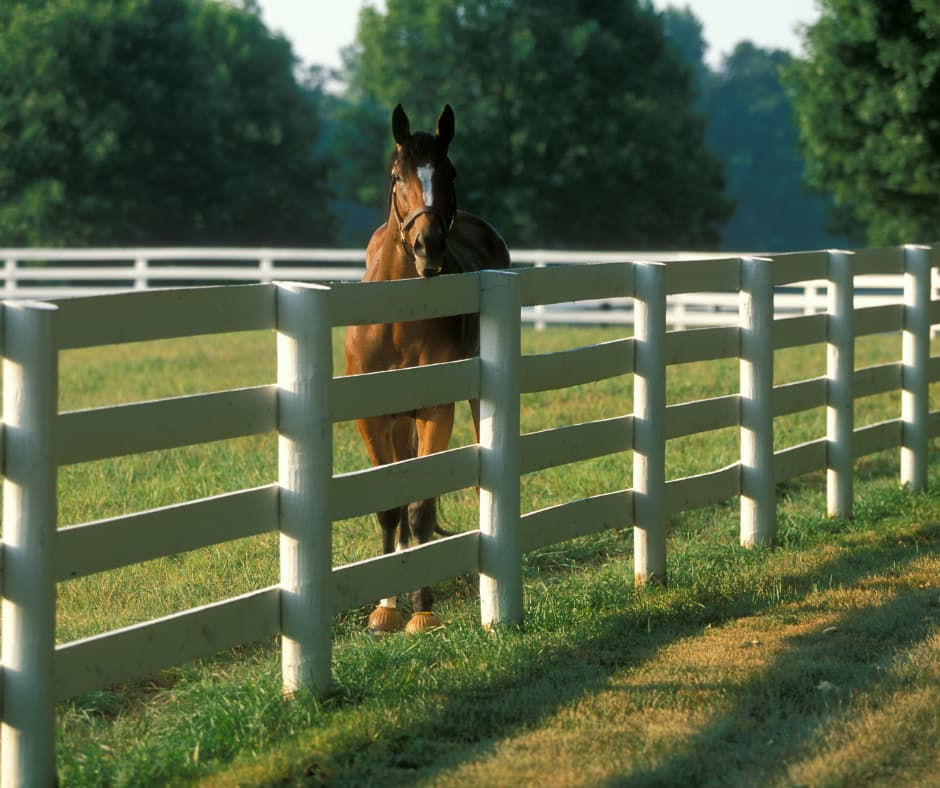
If you board your horse, feed may be included. But it’s important to know what’s actually provided and how that influences how much does it cost to feed a horse.
Some boarding barns charge flat rates that include hay and basic grain. Others itemize feed, especially if your horse has specific needs or eats above average.
At home, you control everything—types of hay, brands of grain, and sourcing. While this may save money, it also requires storage space and upfront planning.
Feeding at home may reduce costs but increase time and labor. Weigh both factors when deciding how much control you want over your feeding program.
Where your horse lives can drastically change how much does it cost to feed a horse on a monthly and annual basis.
Emergency and Special Diets
Injuries, illness, or special conditions like ulcers, laminitis, or metabolic disorders all affect how much does it cost to feed a horse in ways that aren’t always predictable.
Veterinary-directed diets may require low-starch feeds, high-fat options, or soaked hay—all of which add cost and preparation time.
A single health flare-up might require a complete overhaul of your feeding program, including supplements and frequent vet monitoring.
For instance, a horse diagnosed with PPID (Cushing’s Disease) may need a special feed costing $30–$40 per bag and strict control over forage type.
The best way to manage these surprises is to build flexibility into your budget for how much does it cost to feed a horse under unexpected circumstances.
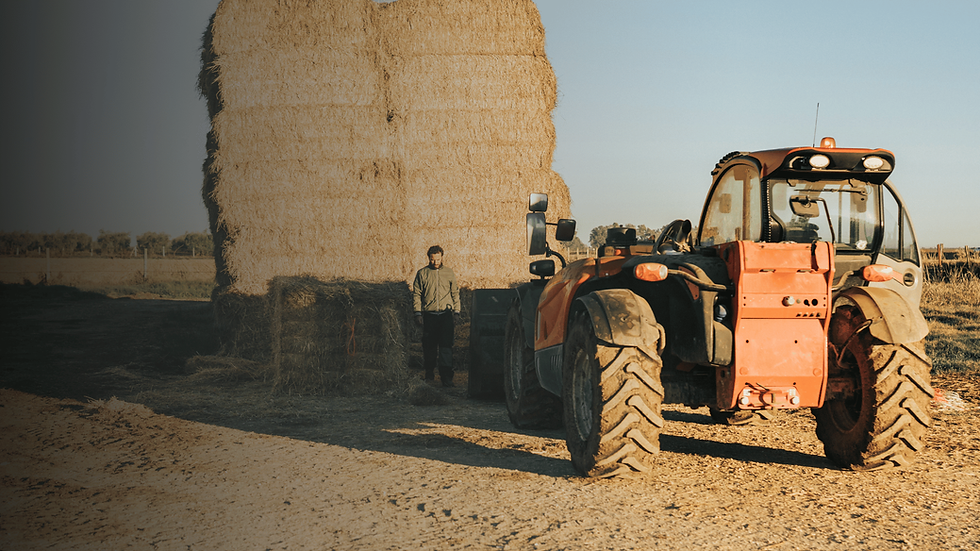
Total Annual Feeding Cost Estimate
Let’s put the numbers together. For an average, healthy adult horse in 2025:
Hay: $1,200–$2,250
Grain: $650–$1,080
Supplements: $300–$1,000
Salt/minerals: $100–$300
Fiber substitutes (optional): $200–$600
Water/electric for heating: $120–$400
Equipment/storage: $100–$300
Seasonal or emergency extras: $250+
In total, how much does it cost to feed a horse in 2025 ranges from approximately $2,500 to $6,000+ annually, depending on individual needs and feeding strategy.
Feeding remains one of the largest—and most essential—costs of horse ownership. Being informed allows you to budget wisely and feed responsibly. Check out this hay and grain calculator for an additional resource.
Feeding a Horse with Financial Foresight
Feeding your horse in 2025 is more than a daily task—it’s a financial commitment that requires smart planning and ongoing evaluation. Knowing how much does it cost to feed a horse allows you to make educated choices about forage, grain, supplements, and care.
Your horse’s health, age, and activity level all influence feeding needs. So does your location, access to quality feed, and seasonal availability. By tracking expenses and planning ahead, you can offer optimal nutrition without unnecessary waste.
Don’t forget to build a cushion for emergencies, seasonal shifts, and the occasional price hike. These unseen costs are part of what makes how much does it cost to feed a horse so variable and personal.
Feeding your horse isn’t just about cost—it’s about long-term care. With the right balance of nutrition and budgeting, you can ensure your horse thrives year after year.
Support Local—Feed Better
Looking for high-quality alfalfa cubes you can trust? Shop local with Rockin Rafter Ranch for farm-fresh, nutrient-rich forage your horse will love.
Visit us online to place your order today and give your horse the nutrition they deserve—grown right here in Utah. Please contact us with any questions!

Comments