
How to Feed a Horse: Everything to Know
- McKenna Hines
- Jul 14, 2025
- 8 min read

Feeding a horse may seem simple, but there’s a lot more to it than just tossing some hay into a stall. Horses have complex digestive systems, diverse nutritional needs, and feeding habits that vary with age, activity, and health status. This guide will explain how to feed a horse properly and answer the all-important question: how much to feed a horse based on science-backed practices.
Understanding the Horse’s Digestive System
To understand how to feed a horse, it’s essential to first understand how their digestive system works. Horses are non-ruminant herbivores with a small stomach and a large hindgut where fiber fermentation occurs.
Because their stomachs hold only 2–4 gallons, horses are designed to eat small amounts frequently. This is why continuous access to forage is critical when learning how to feed a horse properly. This article from The Ohio State University Extension gives a deeper look into the gastrointestinal tract of horses.
Sudden diet changes or large, infrequent meals can disrupt gut bacteria and lead to colic or ulcers. Consistency and gradual adjustments are key components in any feeding program.
When evaluating how much to feed a horse, consider their natural foraging behavior and digestive limitations. Feeding for their physiology, not convenience, ensures long-term health.
A firm grasp of the digestive process is the foundation of knowing both how to feed a horse and how much to feed a horse safely.
Forage: The Foundation of Every Diet
Forage should make up the majority of a horse’s diet. Hay or pasture provides the essential fiber needed for gut motility, dental health, and nutrient absorption.

When deciding how to feed a horse, always start with high-quality forage. A general rule is to offer 1.5–2.5% of the horse's body weight in forage per day.
For a 1,000-pound horse, this equates to 15–25 pounds of hay daily. If pasture is available, monitor intake to prevent overconsumption or laminitis.
The type of forage also impacts how much to feed a horse. Alfalfa is richer and may be fed in smaller quantities than grass hay for calorie control. For more information, check out this article, “The Importance of Forage in a Horse’s Diet.”
Forage is the non-negotiable base when determining how to feed a horse, and its quality directly influences how well the rest of the diet performs.
Balancing Nutrients with Concentrates
Once forage needs are met, concentrates may be added to balance energy or nutrients. This is especially important for working horses, pregnant mares, and growing foals.
When evaluating how to feed a horse with additional grain or pelleted feed, ensure it complements—not replaces—fiber intake. Horses should never be fed concentrates alone.
Most commercial feeds are fortified with vitamins and minerals, making them useful tools when forage falls short. However, they must be portioned carefully.
As for how much to feed a horse, most concentrates should not exceed 0.5% of the horse’s body weight per meal to avoid digestive upset.
Knowing how to feed a horse means balancing forage, concentrates, and total daily intake to create a nutrient-dense and gut-friendly feeding plan.
Feeding Based on Workload
Activity level is a major factor in determining how much to feed a horse. An idle pasture horse has very different energy needs than a performance horse in training.

Lightly worked horses may need only hay, while moderate to intense work often requires added fat, protein, or carbs through grain or complete feeds.
When learning how to feed a horse in training, consider calories burned, hydration loss, and the need for muscle recovery and repair.
It’s easy to overfeed energy and underfeed fiber, so track your horse’s condition closely. Sudden weight gain or loss signals a need for diet adjustment.
Smart feeding begins with matching energy intake to activity output. It’s a core principle in both how to feed a horse and how much to feed a horse accurately.
Feeding for Life Stage: Foals to Seniors
Nutritional needs vary across a horse's lifespan. Knowing how to feed a horse at different ages helps prevent growth issues in young horses and weight loss in older ones.

Foals require high-protein, calcium-rich diets for proper skeletal development. Weaning to creep feeds and eventually forage must be managed carefully.
Adult horses need a balanced mix of fiber, minerals, and calories suited to their lifestyle. Breeding mares require more energy and trace minerals during gestation and lactation.
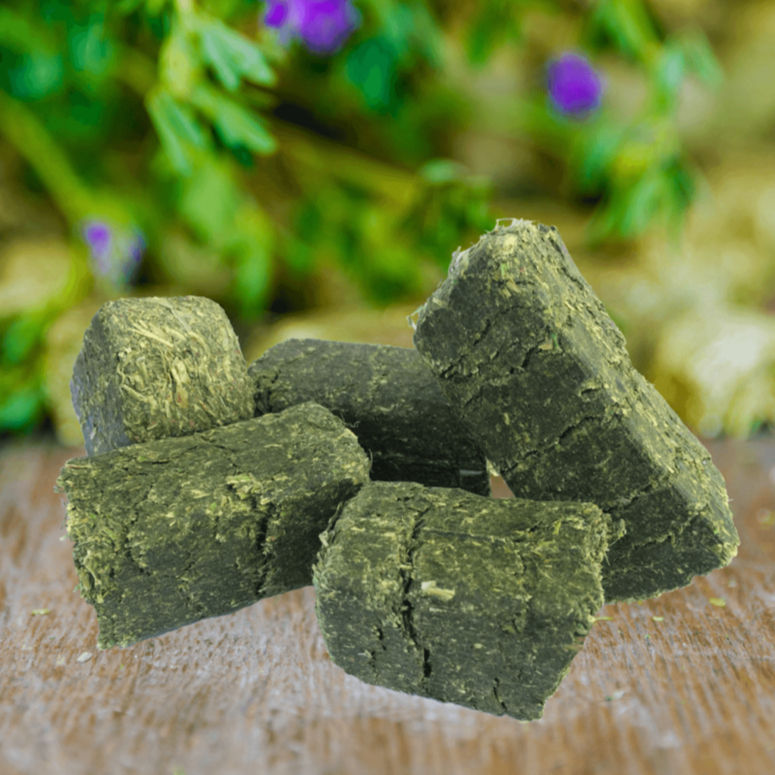
Senior horses often struggle with chewing and digestion, making soaked hay cubes or senior feeds necessary. How much to feed a horse also increases when absorption declines with age.
A horse’s stage of life should guide how you approach both how to feed a horse and how often to reassess the diet for changing needs.
Monitoring Body Condition Score (BCS)
To effectively determine how much to feed a horse, you must regularly assess their body condition. BCS evaluates fat coverage on a scale of 1 (emaciated) to 9 (obese).
Ideally, most horses should maintain a BCS of 4–6, depending on age, breed, and activity. Regular scoring helps guide decisions on feed type and quantity.
A BCS too low suggests a need to increase calories, often through more forage or fat supplements. A BCS too high means it’s time to reduce concentrates and reassess hay type.
Body condition is one of the most objective ways to fine-tune how to feed a horse. It reveals trends before they become health concerns.
Both how to feed a horse and how much to feed a horse must be continuously adjusted in response to BCS for optimal equine health.
Managing Feeding Frequency
Knowing how to feed a horse also involves timing. Because horses are designed to graze continuously, multiple small meals are healthier than one or two large ones.

Feeding forage free-choice or splitting hay into 3–4 portions per day reduces digestive stress and mimics natural eating patterns.
Concentrates should always be divided into two or more meals, especially if feeding more than 3 pounds per day. This helps prevent colic and insulin spikes.
For horses in heavy work or recovering from illness, more frequent, smaller meals support digestion and metabolism more effectively.
Meal size and frequency go hand in hand when deciding how to feed a horse and influence how much to feed a horse per sitting.
Feed Safety and Storage
Safe storage and handling are essential when learning how to feed a horse responsibly. Feed contaminated with mold, rodents, or moisture can cause serious health issues.
Always store hay in a dry, well-ventilated area. Bags of grain or supplements should be sealed tightly and kept off the ground to avoid contamination.
Check feed for mold, odor changes, or insect activity before every feeding. When in doubt, throw it out—it’s not worth the risk.
Spoiled or spoiled hay can cause respiratory issues or colic. Safe storage directly affects how to feed a horse safely and reliably.
Feed quality impacts not just how much to feed a horse, but how well that feed is utilized by the digestive system.
Feeding for Weight Gain
For underweight horses, strategic feeding is critical. When deciding how to feed a horse to gain weight, choose high-quality forage first, then increase calorie density.

Timothy or alfalfa hay, beet pulp, and fat supplements like rice bran or flaxseed oil are effective for safe weight gain.
Introduce changes slowly and monitor results weekly. You may need to feed more often or soak feeds to improve digestibility and hydration.
Adding too much grain too quickly can upset the gut. Always consider fiber-first strategies when learning how to feed a horse for healthy weight gain.
Reaching and maintaining ideal weight depends not only on how much to feed a horse, but what types of feed are used and how they’re delivered.
Feeding Easy Keepers
On the opposite end of the spectrum, easy keepers are horses that gain weight on minimal rations. Managing how to feed a horse prone to obesity takes care and consistency.
These horses often thrive on low-NSC grass hay and limited pasture. Avoiding grains and high-sugar feeds is essential.
Feeding with slow feeders or hay nets helps extend meal time and simulate grazing without increasing caloric intake.
Frequent BCS checks, exercise, and careful portioning are critical for determining how much to feed a horse without causing unwanted weight gain.
Easy keepers require just as much attention to diet planning as hard keepers. The key is knowing how to feed a horse based on metabolism, not just appetite.
Hydration and Electrolyte Balance
Feeding isn’t just about solid food. Water intake plays a major role in digestive function and nutrient absorption. It’s a crucial part of how to feed a horse effectively.

Horses drink 5–10 gallons per day, and more in hot weather or during work. Ensure access to clean, fresh water at all times.
Electrolyte supplements may be necessary during heavy sweat loss. Salt blocks or loose salt should be available to encourage drinking.
Dehydration affects digestion, energy, and performance. Soaking feeds like hay cubes or beet pulp can help increase fluid intake.
To support digestion, how to feed a horse must also include hydration strategies that impact how much to feed a horse and how well it’s utilized.
Supplements and Feed Additives
Supplements are often used to fill nutritional gaps. Knowing how to feed a horse also means knowing when—and when not—to supplement.
Common supplements include joint support, biotin, probiotics, and vitamin/mineral balancers. These should complement, not replace, a good forage-based diet.
Excess supplementation can cause imbalances or waste money. Always check the base diet first to determine what's truly needed.
If your horse is on commercial feed, it may already be fortified. Overlapping nutrients can lead to toxicity or interference with absorption.
Smart supplementing is a precise part of how to feed a horse, especially when you’re already measuring how much to feed a horse for energy and condition.
Feeding in Changing Seasons
As seasons shift, so should feeding practices. Understanding how to feed a horse in winter differs from summer or spring.
In cold weather, horses need more calories to maintain body heat. Hay intake typically increases by 10–20%. Water may need to be warmed to prevent freezing.
Spring pastures are rich but risky. Gradually introduce grazing to avoid laminitis or digestive upset. Consider grazing muzzles or limited turnout time.

In summer, hydration and electrolyte needs spike. Soaked feeds and access to shade support digestion and comfort.
Fall is the best time to adjust diet ahead of winter. Monitoring weight and increasing hay early helps prepare horses for colder months.
Seasonal shifts affect both how to feed a horse and how much to feed a horse, making year-round planning essential.
Feeding Horses with Special Conditions
Horses with metabolic issues, ulcers, or allergies require tailored diets. Knowing how to feed a horse with medical needs involves collaboration with a vet or nutritionist.
Cushing’s or insulin-resistant horses need low-starch diets, often based on soaked hay and low-NSC feeds. Regular testing and BCS tracking are vital.
Ulcer-prone horses benefit from continuous forage and low-sugar meals. Alfalfa can help buffer stomach acid, but timing and frequency are key.
Allergies may require switching hay types or even using hay cubes to avoid dust and pollen exposure. Close observation is essential when trialing new feeds.
Special care situations require a deeper understanding of how to feed a horse and strict control over how much to feed a horse in each meal.
Building a Long-Term Feeding Plan
A successful feeding strategy is never static. How you determine how to feed a horse evolves with the animal’s condition, workload, age, and environment.
Keep detailed records of diet, weight changes, performance, and health events. This data supports proactive feeding decisions and early intervention.
Review diets every 3–6 months or after major seasonal, medical, or lifestyle changes. Don't be afraid to consult professionals regularly.
Tailor your feed choices to your horse’s individuality, not what’s trending. Feeding is personal, and even horses on the same workload may require different rations.
With planning and consistency, you’ll know how to feed a horse well, and exactly how much to feed a horse to keep them healthy for years to come.
Feeding with Purpose and Precision
Feeding a horse isn’t a one-size-fits-all process—it’s a thoughtful, ever-evolving strategy based on science, observation, and care. By learning how to feed a horse properly, you’re investing in their long-term health, performance, and well-being.

From forage fundamentals to balancing energy and managing special diets, feeding decisions matter. And when it comes to how much to feed a horse, precision and consistency are your best tools.
Every horse has different needs, but the core principles remain: feed for function, adjust for results, and always monitor condition. Good feeding is proactive, not reactive.
By following the tips in this guide, you’ll have a well-rounded understanding of both how to feed a horse and how much to feed a horse for any situation or season.
Let feeding be more than a routine—let it be an intentional act of horse care excellence. Rockin Rafter Ranch provides great quality feed for horses. Check out our products here!
Contact us today with any questions!
Comments