
How Much Is Hay for Sale at Your Local Utah Farm Supply Store vs. Online?

Why Horse Feed Prices Matter More Than Ever
In today’s economy, knowing how much is horse feed can make a big difference in your annual budget. Whether you're raising one horse or a whole herd, feed costs are one of the biggest recurring expenses in equine care.
Local farm supply stores and online retailers offer different advantages when it comes to price, availability, and delivery. But which offers the better value?
When you start searching hay for sale near me, you’ll find a wide range of prices and quality levels, from small-town co-ops to bulk-shipping e-commerce giants.
This blog will break down the key differences between buying locally and online, including feed type, delivery, convenience, and long-term savings. Check out some of our other articles for additional insights on local alfalfa products.
Understanding how much is horse feed and where your dollars go helps you make better choices that benefit both your horse and your wallet.
The Average Cost of Hay for Sale in Utah
Utah horse owners typically pay anywhere from $12 to $25 per bag for pelleted horse feed, and about $10 to $15 per bale of hay, depending on the type and supplier.
When you’re trying to figure out how much is horse feed, you need to factor in what type of feed your horse requires—senior feed, performance blends, alfalfa cubes, or grass hay.
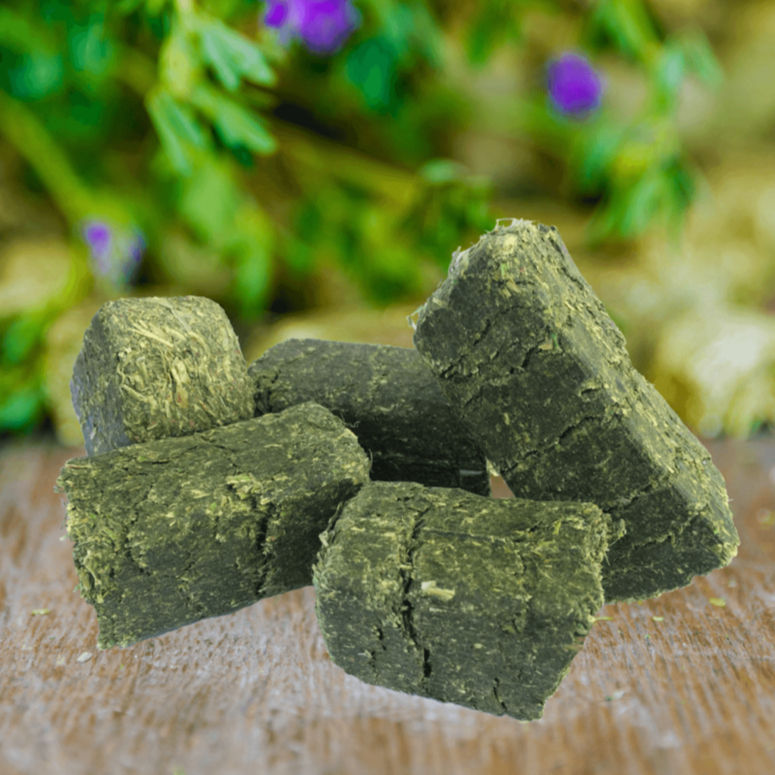
For instance, locally grown alfalfa hay may be priced lower in rural areas of Utah compared to urban feed stores. Searching hay for sale near me will help identify suppliers within reasonable driving distance.
Grain and supplements also vary in price. Commercial brands like Purina or Nutrena may be more expensive than store-branded feeds but offer specialized formulas for horses with specific needs.
By comparing prices from both local stores and online retailers, you’ll have a clearer picture of how much is horse feed based on quality, source, and feed type.
Comparing Alfalfa and Grass Hay Costs Locally
Hay makes up the bulk of most horses' diets. When it comes to how much is horse feed, hay costs alone can account for 60–70% of your total monthly spend.
Alfalfa hay in Utah can cost anywhere from $10 to $16 per bale, while grass hay often ranges from $8 to $14. These prices depend on location, cutting, and quality.
When you look up hay for sale near me, you'll often see second or third cutting bales that offer more leaf and less stem—ideal for picky eaters or performance horses.
Buying directly from farmers can reduce costs, especially if you purchase in bulk. Feed stores may charge more due to transportation and overhead.
If you're feeding multiple horses, small price differences can add up fast. Always ask local sellers for current rates to keep tabs on how much is horse feed for your operation.
Is Buying Online More Expensive or Convenient?
One of the first questions people ask when shopping online is whether it’s truly cheaper. In many cases, how much is horse feed online includes shipping fees or subscription options.
Retailers like Chewy, Tractor Supply, and Amazon offer national shipping, and you can often get deals on bulk orders or first-time deliveries. But hay is rarely included—it's too heavy and costly to ship.
You may not find true hay for sale near me from national websites, but some regional sellers in Utah offer delivery within a set radius—great for horse owners without a trailer.
Online ordering does offer convenience and time savings. For grain, pellets, and supplements, it may be worth a few extra dollars if it saves a trip to the store.
Ultimately, how you weigh how much is horse feed depends on what you're buying, how fast you need it, and whether you're willing to pay for convenience.
Feed Store Benefits: Local Knowledge and Trust
There’s real value in buying from local farm supply stores. Staff often include horse owners themselves, who can offer advice and support in addition to answering how much is horse feed in your area.
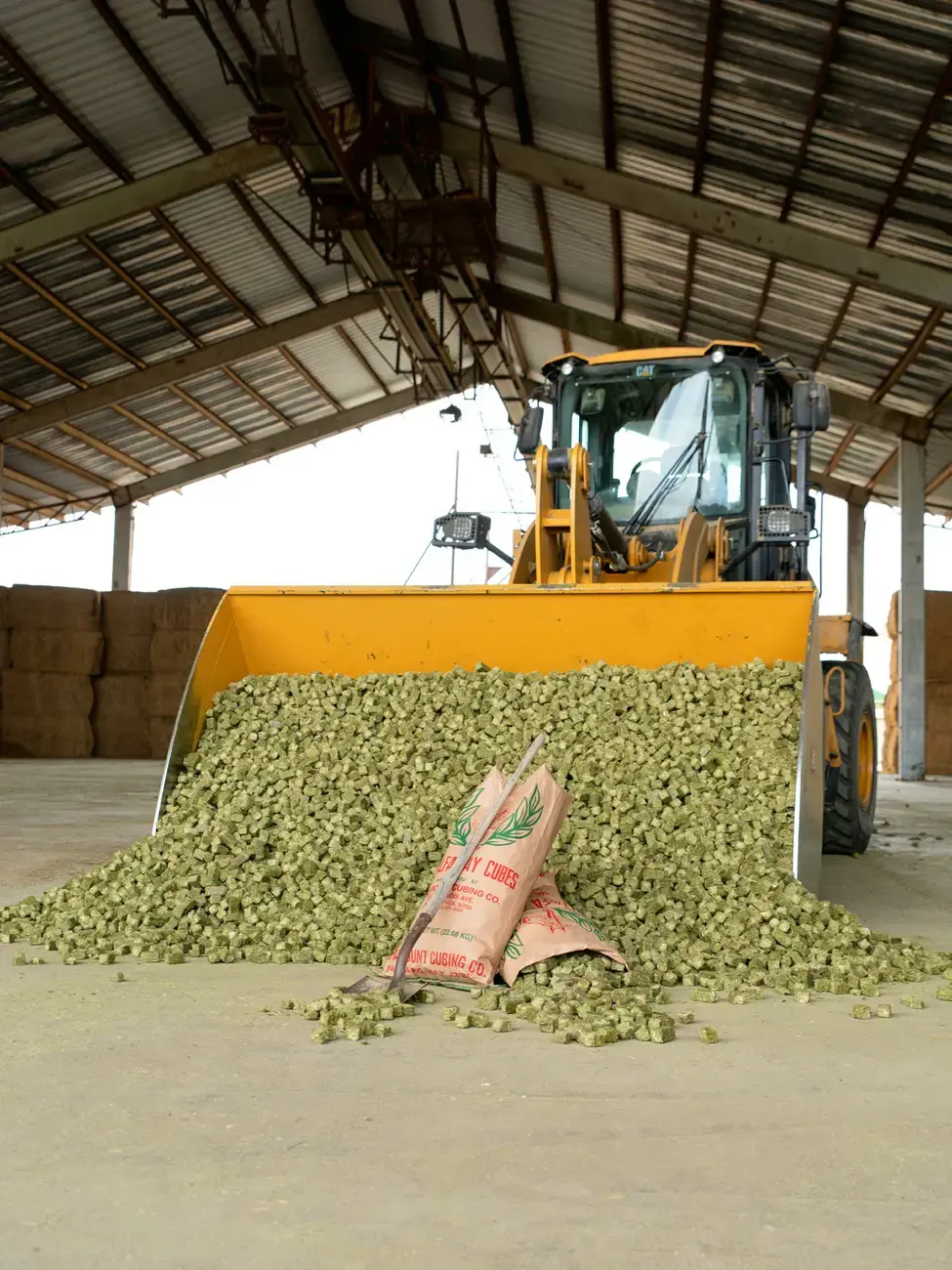
Local stores also stock regionally sourced products, including hay for sale near me that’s grown to match your horse’s dietary needs in Utah’s dry climate.
Many feed stores offer loyalty programs or bulk discounts, helping reduce long-term feed costs—especially when you’re buying weekly or monthly.
You’ll also have the chance to inspect hay before purchase, which is impossible when buying online. That visual quality check helps avoid moldy or low-grade forage.
Regarding the benefits of local hay, Ohana Hay says, “Local hay is typically fresher because it doesn’t have to be transported over long distances. The less time hay spends in transit, the more it retains its nutrients.”
When it comes to evaluating how much is horse feed, local stores deliver personal service that can’t be matched by a checkout screen.
Delivery and Accessibility Differences
When calculating how much is horse feed, don’t forget delivery costs and accessibility. Local stores may offer free or low-cost delivery within a certain radius, especially for regular customers.
Online sellers often charge extra for bulky items or require minimum orders. While auto-ship options are convenient for grain and supplements, they rarely include hay due to weight and size.
If you’re typing hay for sale near me into a search engine, you’re likely hoping to avoid hauling bales yourself. Local growers may deliver straight to your barn at better prices than national shipping options.
Accessibility matters too—rural areas might not have the same delivery services that urban regions do, making local pickups or roadside sellers more reliable.
Factoring delivery into your equation is essential when assessing how much is horse feed costs over time.
Bulk Discounts and Subscription Savings
Buying in bulk is a proven way to reduce how much is horse feed, especially if you have space to store it safely. Many Utah feed suppliers and hay farms offer tiered pricing for large orders.
Online retailers also offer bulk discounts or auto-ship savings, typically between 5–15% per item, which can add up if you’re feeding multiple horses.
However, these subscriptions often exclude hay for sale near me listings, which remain best sourced locally for freshness and affordability.
Talk to your local farm supply store about season-based discounts or early-buyer specials for hay. Some allow you to lock in prices ahead of winter when costs traditionally rise.
Incorporating bulk savings into your feed strategy reduces both stress and your overall expenses tied to how much is horse feed.
Evaluating Nutritional Value and Hidden Costs
Price is just one factor in feed quality. Understanding the nutritional value of your horse feed helps determine whether the price is truly worth it.

A cheaper bag with filler ingredients may cause more long-term issues than a more expensive, nutrient-rich blend. The same goes for hay—leafy alfalfa is more digestible and nutritious than stem-heavy first cutting.
When you ask how much is horse feed, also ask what’s inside the feed. Are you getting consistent protein levels? Vitamins and minerals?
When looking for hay for sale near me, request a nutritional analysis if possible. Many local producers provide it for serious buyers.
A smart feed buyer balances cost and quality, ensuring their horse gets the best nutrition without hidden health expenses.
The Role of Feed Types in Overall Cost
There are many types of horse feed—grain mixes, pelleted feeds, complete feeds, sweet feed, and forage alternatives like alfalfa cubes or beet pulp.
Each type comes at a different price point, so understanding your horse’s actual needs can keep how much is horse feed within budget.
For example, a low-maintenance trail horse may do fine on quality hay and a ration balancer, while a performance horse may require a complete feed formula with higher energy density.
Grain-based feeds average around $15–$25 per 50-lb bag. Pelleted options may cost slightly more but offer better digestibility and less waste.
Local sellers offering hay for sale near me may also stock alternative forage options—worth exploring if you're trying to stretch your hay supply without compromising nutrition.
Comparing Seasonal Price Fluctuations
Feed prices fluctuate throughout the year. To know how much is horse feed, monitor trends—especially in spring and fall when demand and supply shift dramatically.
Hay is cheapest just after harvest—late spring to midsummer in Utah—while prices rise in fall and winter as supply tightens and storage becomes a factor.
Online prices may remain stable due to warehousing but can increase during peak demand due to shipping constraints or shortages.
For hay for sale near me, local farmers may offer early reservation pricing, helping you lock in better deals before winter hits.
Understanding these seasonal trends gives you an edge when budgeting and managing inventory across the year.
Storage and Waste Considerations
Storage conditions can affect both feed quality and cost-efficiency. If your storage isn’t dry or secure, even the best hay or grain becomes susceptible to mold or spoilage.

When considering how much is horse feed, account for how much gets wasted. Square bales stored indoors last longer than round bales left outside, and grain in sealed bins resists pests and moisture better than open bags.
Buying hay in bulk from hay for sale near me listings makes more sense if you have proper storage, as wasted feed can turn savings into losses quickly.
Online feed often comes in vacuum-sealed or heavy-duty bags that preserve freshness, but hay remains best bought locally for quality control and reduced spoilage risk.
Investing in proper storage helps you protect your feed investment, keep horses healthy, and minimize long-term costs.
Availability and Supply Chain Stability
Local availability impacts your ability to maintain a reliable feed schedule. Supply chain disruptions can delay online orders or raise prices unexpectedly.
Local Utah suppliers of hay for sale near me are more resilient during transportation issues, droughts, or fuel spikes because they rely on fewer intermediaries.
You’re also more likely to get consistent, high-quality hay from nearby growers who know your soil, climate, and forage needs.
When considering how much is horse feed, the cost of an inconsistent supply—missed meals or emergency trips—can be more than financial.
Building long-term relationships with local sellers keeps your operation stable and stress-free year-round.
Environmental Impact of Local vs. Online Purchasing
Buying locally not only saves on delivery fees—it reduces carbon emissions and supports your agricultural community.
Shipping feed across the country uses fuel, packaging, and storage resources. When you choose hay for sale near me, you're reducing the environmental footprint of your horse care.
Many Utah hay producers practice regenerative farming, which promotes soil health and biodiversity. Supporting them encourages sustainable agriculture statewide.
If you're committed to eco-friendly living, factoring sustainability into how much is horse feed makes local sourcing an even better decision.
Feed your horse well and feel good about the impact you’re making—every bale counts.
Community Support and Economic Value
Every time you buy from a local farm or store, you reinvest in your community. Utah’s rural businesses rely on loyal customers, especially in the feed and livestock sectors.
When you shop local for hay for sale near me, you’re supporting jobs, families, and farmland preservation—not just feeding your horse.
Local feed stores and ranches often donate to 4-H clubs, host clinics, and serve as resources for animal health and nutrition.
Thinking beyond just how much is horse feed, it’s about who benefits from your purchase—and local wins every time.
Horse care is a lifestyle. Buying local is part of that commitment to integrity, stewardship, and connection.

Choosing the Best of Both Worlds
There’s no one-size-fits-all answer to how much is horse feed. The best approach blends online convenience with the personal service and quality assurance of local sourcing.
Order supplements or specialty products online for convenience. Buy hay and bulk feed locally where you can see and feel the product firsthand.
Check seasonal pricing, build relationships with growers, and store feed properly to make your budget stretch without compromising quality.
Look up hay for sale near me, but don’t stop at Google—talk to neighbors, check bulletin boards, and visit local ranches. You’ll uncover savings, service, and peace of mind.
Whether you're feeding one horse or twenty, a balanced approach to sourcing will always deliver the best results.
Feed Smart—Support Local at Rockin Rafter Ranch
Knowing how much is horse feed isn't just about numbers—it's about trust, freshness, and making choices that benefit your horse and your community. While online stores may offer flashy deals, local Utah feed sources deliver unmatched value in quality, reliability, and support.
When you need dependable hay and alfalfa products, skip the guessing game and shop at Rockin Rafter Ranch. Our locally grown, sun-cured alfalfa cubes and hay products are tailored to meet the nutritional needs of Utah’s horses year-round.
Explore premium feed options now on our website!
Support local. Feed with confidence. Trust Rockin Rafter Ranch.


Comments