
Different Types of Horse Feeds

Introduction to Horse Feeds
When it comes to equine nutrition, understanding the variety of horse feeds available is essential. Not all horses have the same dietary needs, and different types of horse feeds serve specific purposes based on age, activity level, health conditions, and environmental factors.
Horse feeds can range from basic roughage to advanced performance supplements. Each feed type has its own composition, digestibility, and nutritional value. Choosing the right horse feeds involves balancing protein, fiber, fat, vitamins, and minerals.
Forage remains the foundation of all horse feeds. However, many owners also incorporate concentrates or supplements to meet special dietary goals. Selecting the right mix can impact not just health but also behavior, coat quality, and energy.
With an overwhelming number of commercial and natural options, having a solid understanding of the available horse feeds is critical. Let’s explore each type in detail and how it contributes to a complete equine diet.
Forage-Based Horse Feeds
Forage is the cornerstone of all horse nutrition. It includes hay, pasture, and haylage—high-fiber horse feeds that support digestive health, provide energy, and mimic a horse's natural grazing behavior.

Good quality forage should make up at least 1.5% to 2% of a horse’s body weight daily.
This means a 1,000-pound horse should eat at least 15 to 20 pounds of forage per day. These horse feeds keep the gut moving and prevent issues like colic or ulcers.
Alfalfa and grass hay are the most common forage options. Alfalfa is rich in calcium and protein, while timothy and orchard grass are lower in calories and better for easy keepers.
Haylage, a fermented forage, is less common in the U.S. but is gaining traction. All these forage-based horse feeds must be clean, free of mold, and stored properly.
Forage should always be the first ingredient in a horse’s feeding plan. All other horse feeds build upon this foundation.
Concentrate Horse Feeds
Concentrates are calorie-dense horse feeds often used to supplement forage. These include grains, pellets, sweet feeds, and textured mixes that provide extra energy, especially for performance horses.
Oats, corn, and barley are traditional concentrate grains. Oats are easiest to digest, while corn is energy-rich but lower in fiber. These horse feeds require careful balance to avoid digestive upset or excess weight gain.
Commercial grain mixes are formulated to provide not just calories but also protein, fat, vitamins, and minerals. They come in textured, pelleted, or extruded forms to suit different preferences.
Concentrates are ideal for working horses, lactating mares, and growing foals. However, they must be used judiciously to prevent laminitis or colic.
Concentrate horse feeds are a helpful tool—but they should never replace quality forage as the diet’s base.
Complete Horse Feeds
Complete horse feeds are formulated to include both forage and concentrate elements in one product. They’re typically pelleted and provide a balanced nutrient profile for horses that cannot consume hay.
These horse feeds are often used for senior horses with dental issues or those prone to choke. Since they contain fiber, they can act as a partial or total hay replacement.
Brands design complete horse feeds to be soft, easy to chew, and nutritionally consistent. They include beet pulp, soybean hulls, grains, and added vitamins.
Feeding complete horse feeds simplifies rationing and reduces the need for multiple products. They can be served dry or soaked into a mash for easier consumption.
While convenient, complete horse feeds should be chosen carefully to ensure they align with your horse’s specific needs and medical conditions.
Pelleted Horse Feeds
Pelleted horse feeds are compressed mixtures of forage and grains, offering a consistent and easy-to-measure feeding option. They're particularly popular for their digestibility and reduced waste.

These horse feeds can include specific formulas for maintenance, performance, growth, or senior health. Each pellet is uniform, ensuring every bite delivers the same nutrients.
Pelleted feeds are less dusty than loose grains, making them a safer choice for horses with respiratory sensitivities. They also reduce the risk of feed sorting.
Many horse owners choose pelleted horse feeds because of their convenience and ability to reduce storage space. Plus, they’re often more affordable than textured feeds.
However, soaking may be necessary for older horses or those at risk of choke. Always introduce pelleted horse feeds gradually to avoid gastrointestinal upset.
Textured Horse Feeds
Textured feeds, often referred to as "sweet feeds," combine grains, molasses, and other ingredients in a loose, visually appealing format. These horse feeds are palatable and easy to digest.
They’re commonly used for performance horses or picky eaters. The molasses improves taste, while visible grains allow owners to assess feed quality at a glance.
Textured horse feeds come with the risk of spoilage in humid environments due to higher moisture content. They also may contain more sugar than other feed types.
For horses that require quick energy, textured horse feeds are effective. However, those with metabolic issues should avoid high-sugar options.
Proper storage and portion control are crucial when feeding these feeds. While popular, textured horse feeds are best used under a balanced nutrition plan.
Extruded Horse Feeds
Extruded horse feeds are cooked at high temperatures and pressure to make them more digestible. They resemble dog food in shape and texture.

These feeds are ideal for horses with digestive issues or poor teeth, as they soften easily when soaked. They’re also denser and more calorically efficient.
Extruded horse feeds maintain longer shelf life and are highly palatable. Because they expand during cooking, they take longer to chew and aid in saliva production.
Many senior and performance formulas use extrusion to boost digestibility. Horses that need calorie-dense meals often thrive on these feeds.
Like all horse feeds, extruded options must be introduced gradually and monitored for acceptance and digestion.
Beet Pulp-Based Horse Feeds
Beet pulp is a high-fiber byproduct of sugar beet processing and is commonly included in specialized horse feeds for weight gain and digestive health.
These horse feeds are soaked to form a mash and are excellent for senior horses or those with dental issues. They’re low in sugar despite their origin and highly digestible.
Beet pulp helps horses maintain body condition without overloading them with grains. It's also great for horses needing cool calories—energy without the fizz.
Commercial beet pulp feeds often include added vitamins and minerals. These horse feeds can stand alone or complement other feeds in a balanced program.
When feeding beet pulp-based horse feeds, always soak thoroughly to prevent choke and feed in measured portions appropriate to your horse’s weight and needs.
High-Fat Horse Feeds
Horses needing more energy—such as racehorses or those in cold climates—can benefit from high-fat horse feeds. These offer a dense calorie source without overloading starch.
Fats are safer than sugars for energy and help improve endurance and recovery. Horse feeds with added oil (like flaxseed or rice bran) promote a glossy coat and healthy skin.
Some high-fat feeds include omega-3s, which support joint health and reduce inflammation. They're also good for horses prone to ulcers, as they produce less acid than grains.
Feeding high-fat horse feeds requires adjustment and monitoring. Start slowly and assess how your horse metabolizes the added fat.
These horse feeds are ideal for hard keepers or horses in intense training. Always balance them with forage and quality protein.
Senior Horse Feeds
Senior horse feeds are designed for aging horses who may have difficulty chewing, digesting, or absorbing nutrients from traditional feed sources.
These horse feeds often contain beet pulp, added vitamins, and are lower in sugar. They're easy to chew or can be soaked into a mash for safe swallowing.
They support joint health, maintain muscle, and improve immune function. Look for formulas labeled “complete” or “for senior horses” to ensure appropriate nutrition.
Because older horses may lose weight or suffer from metabolic issues, senior horse feeds help them maintain condition safely.
Many horse owners find that transitioning to senior horse feeds extends the quality of life for aging equine partners.
Low-Starch and Low-Sugar Horse Feeds
Horses with metabolic disorders, Cushing’s, insulin resistance, or laminitis require low-starch, low-sugar horse feeds to manage their conditions.

These horse feeds limit non-structural carbohydrates (NSCs), reducing the risk of blood sugar spikes. Instead, they focus on fiber, fat, and controlled energy.
You’ll often find beet pulp, soy hulls, or alfalfa meal as the primary ingredients. These provide energy without the starch found in corn or molasses.
Feeding low-NSC horse feeds requires consistency and strict rationing. It’s crucial to combine them with hay that's also low in sugar.
For metabolic horses, these specialized horse feeds support long-term health and reduce the risk of flare-ups or founder.
High-Protein Horse Feeds
High-protein horse feeds are ideal for growing foals, pregnant mares, lactating mares, and performance horses building muscle.
These horse feeds contain legumes like alfalfa, soy meal, or added amino acids. Protein supports cell regeneration, muscle development, and hormone production.
For young horses, a diet rich in high-quality protein ensures healthy growth. However, excess protein isn’t always beneficial and can cause excess urination or dehydration.
Feeding high-protein horse feeds should be done under guidance, especially for foals or mares with special reproductive needs.
They’re powerful tools when used correctly. Horse feeds rich in protein can make a significant difference in growth and recovery.
Specialty and Therapeutic Horse Feeds
Horses with allergies, ulcers, EPSM, or other medical conditions often need specialty horse feeds. These are formulated to meet unique health requirements.
For example, ulcer-prone horses benefit from low-acid, high-fiber horse feeds with added buffering agents. Horses with EPSM may need high-fat, low-carb feeds.
Therapeutic horse feeds are often available only through veterinarians or specialized retailers. They may include added digestive enzymes, prebiotics, or herbs.
Feeding a horse with medical needs requires diligence. These horse feeds should always be part of a comprehensive health plan.
When standard options aren’t enough, therapeutic horse feeds can bridge the gap between nutrition and wellness.
Homemade and Custom Horse Feeds
Some horse owners opt to mix their own horse feeds, especially if they have access to raw ingredients or need to customize the diet fully.
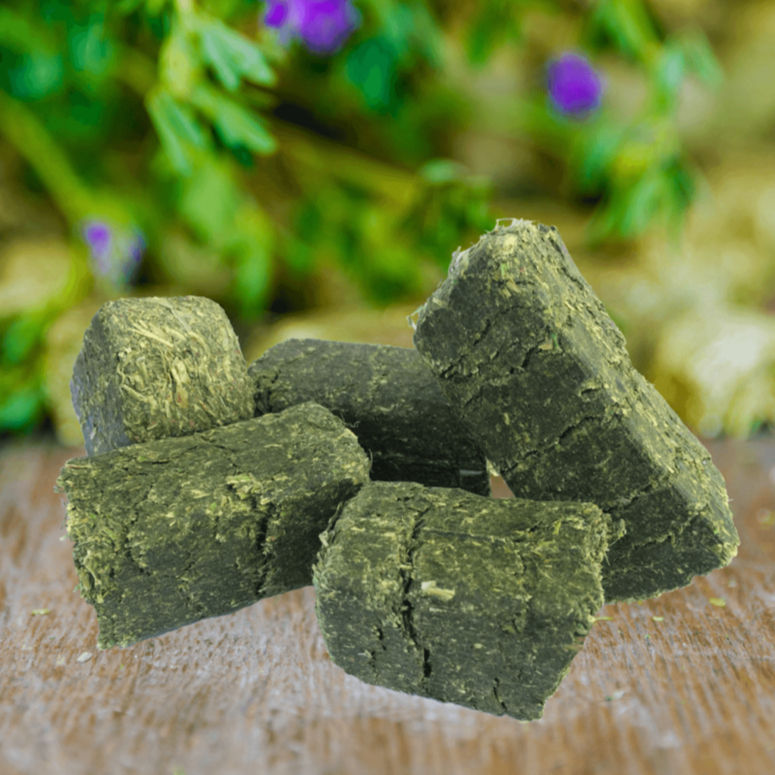
Homemade horse feeds may include oats, flaxseed, alfalfa pellets, beet pulp, and supplements. While cost-effective, they require nutritional expertise.
The biggest risk with DIY horse feeds is imbalance—too much calcium, too little phosphorus, or insufficient trace minerals can lead to health problems.
Custom blends from equine nutritionists ensure the right ratios of protein, energy, vitamins, and fiber. These horse feeds can be tailored per horse.
If you choose to make or customize horse feeds, be sure to work with a professional and monitor your horse’s response closely.
Choosing the Right Horse Feed for Your Horse
With so many horse feeds available, the best choice depends on your horse’s age, activity level, metabolism, and health needs.
Start with quality forage. Then consider whether you need to add calories, protein, or special supplements using commercial or custom horse feeds.
Read labels carefully, calculate nutrient needs based on body weight, and introduce new feeds slowly to prevent digestive upset.
Keep in mind that even the best horse feeds won’t work without clean water, regular dental care, and consistent feeding schedules.
Making informed decisions ensures your horse receives balanced nutrition and thrives through every stage of life.
Make Smart Choices About Horse Feeds
Feeding horses isn’t just about tossing them some hay—it’s a complex science and art that impacts their health, performance, and happiness.
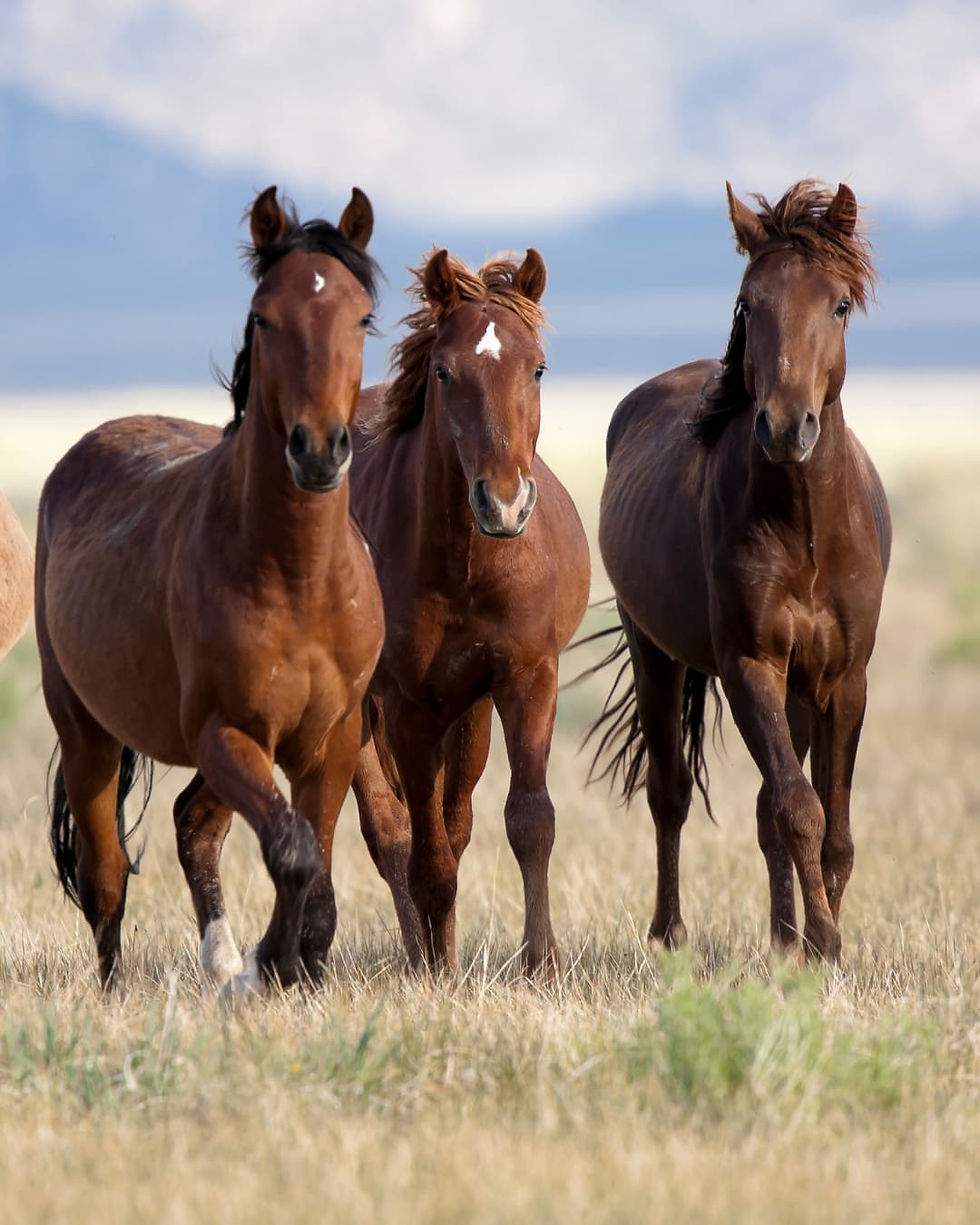
With so many types of horse feeds on the market, from forage and concentrates to custom blends and therapeutic options, it’s essential to know what each offers.
Whether your horse is young, old, active, or in recovery, there’s a feed tailored to support its needs.
Always start with forage, then build a balanced plan that aligns with your horse’s weight, lifestyle, and goals.
By understanding the different types of horse feeds and how they function, you’re setting your horse up for long-term success.
Nourish with Quality—Choose Rockin Rafter Ranch
When it comes to feeding your livestock the cleanest, most nutritious forage, nothing beats cubes of hay from a trusted local source.
At Rockin Rafter Ranch, we grow, harvest, and press our hay right here in Utah—offering you consistent quality, purity, and local support that big-box stores can't match.
Whether you're feeding horses, goats, cattle, or sheep, our compact, nutrient-rich cubes of hay simplify feeding, reduce waste, and safeguard respiratory health—while delivering the fiber and energy your animals need to thrive.
Support local agriculture, save time, and give your animals the best—every day.

Comments